The Growing Role of Cannabinoids in Self-Care
Self-care has evolved beyond basic routines and skincare rituals, incorporating holistic practices that nurture both body and mind. In recent years, cannabinoids have emerged as a popular element in self-care regimens due to their therapeutic properties and versatility. From promoting relaxation to enhancing focus and energy, these naturally derived compounds from the hemp plant are being embraced by individuals seeking tailored wellness solutions. The appeal lies not only in their effectiveness but also in their ability to integrate seamlessly into daily habits, whether through tinctures, edibles, or topical applications. As interest in cannabis-infused wellness continues to grow, understanding how to choose the right product becomes crucial for achieving desired self-care outcomes.
Understanding Self-Care and Cannabinoids
For anyone looking to enhance their self-care routine, the key is knowing how different cannabinoids interact with the body. The endocannabinoid system plays a central role in maintaining balance, regulating mood, sleep, appetite, and energy levels. By engaging with this system, cannabinoids like CBD, THC, and the more potent THCP can influence these functions. When selecting a product, consumers must consider their specific self-care goals—whether it is achieving relaxation after a long day, improving sleep quality, or boosting energy for productivity. Products with higher CBD content are often associated with calming effects and reduced stress, while THCP or THC-dominant formulations may provide stronger psychoactive sensations, which some individuals use for evening relaxation or deep sleep. Understanding these distinctions is the first step in choosing a product that aligns with personal wellness objectives.
Assessing Your Needs: Relaxation
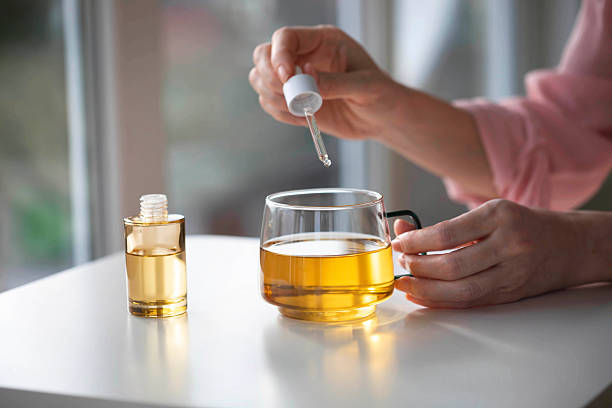
Relaxation is a cornerstone of effective self-care, especially in today’s fast-paced world. Cannabinoid products designed for relaxation often focus on reducing stress, calming the mind, and easing minor physical tension. For this purpose, CBD-dominant tinctures and gummies are widely recommended, as they provide soothing effects without significant psychoactivity. Terpenes such as myrcene and linalool can enhance the calming properties, contributing to a more serene experience. It is important to consider the delivery method as well; tinctures and oils offer faster onset and precise dosing, while edibles provide longer-lasting effects that can complement evening rituals or meditation practices. By understanding your individual stress response and lifestyle, you can select a product that integrates naturally into your relaxation routine.
Choosing Cannabinoids for Sleep Support
Sleep is essential for overall health, and cannabinoid products can be a helpful tool for improving sleep quality. When choosing products for sleep, consider options that contain THC or THCP in controlled doses, as these compounds can promote drowsiness and deeper rest. CBD is also effective when paired with other cannabinoids, as it may help reduce nighttime anxiety that often interferes with sleep. Timing is crucial: products taken 30 minutes to an hour before bed are generally most effective, and users should experiment with dosage to find the optimal balance. Additionally, products that include calming terpenes like humulene or terpineol can enhance the sleep-promoting effect, making cannabinoid-infused oils, capsules, or nighttime gummies excellent additions to a bedtime ritual.
Energy and Focus: Daytime Self-Care
Not all cannabinoid products are intended for relaxation or sleep. Certain formulations can support energy, focus, and mental clarity, making them ideal for daytime use. Products with balanced ratios of CBD and THCP, along with stimulating terpenes like limonene or pinene, can enhance alertness without inducing the anxiety sometimes associated with higher THC concentrations. For individuals seeking a boost in productivity or creativity, microdosing can be an effective strategy. Microdosing involves consuming small amounts of cannabinoids to achieve subtle effects, maintaining energy and focus while benefiting from the therapeutic properties of the compounds. Choosing the right product depends on both the desired effect and the personal sensitivity to cannabinoids, ensuring that energy-supporting products complement the day without interfering with sleep or relaxation later.
Considering Form Factors and Dosage
The method of consumption is a critical aspect of integrating cannabinoids into self-care. Edibles, tinctures, oils, capsules, and topicals all offer unique benefits and onset times. Edibles provide a slow, sustained release, ideal for prolonged relaxation or sleep support, while tinctures and oils allow for precise dosing and faster effects, suitable for microdosing or quick relief. Topicals are particularly useful for localized muscle tension or joint discomfort, delivering cannabinoids directly to the area without systemic effects. Understanding how your body metabolizes these forms, along with careful attention to dosing guidelines, ensures a safe and effective self-care experience tailored to your specific needs.
Reading Labels and Lab Reports
Transparency and quality assurance are essential when selecting cannabinoid products for self-care. Always review Certificates of Analysis (COAs) provided by third-party labs to verify cannabinoid content, potency, and safety. COAs confirm that the product is free from harmful contaminants such as pesticides, heavy metals, and solvents, ensuring that the self-care experience is both effective and safe. By examining cannabinoid percentages, terpene profiles, and batch-specific data, consumers gain confidence in their choices and avoid inconsistent or misleading products. Prioritizing lab-tested items is a key step in establishing a reliable self-care routine with cannabinoids.
Incorporating Cannabinoids into Daily Routines
Once the appropriate product is selected, integrating it into a daily self-care routine can amplify benefits. For relaxation, consider using tinctures or gummies alongside meditation, yoga, or evening wind-down rituals. For sleep, create a consistent pre-bedtime schedule incorporating cannabinoid products, dim lighting, and calming activities. For energy and focus, microdosing with oils or capsules during morning or early afternoon routines can enhance productivity and mood. Combining cannabinoids with other wellness practices, such as hydration, nutrition, and mindfulness, supports holistic self-care, optimizing both physical and mental well-being.
Safety Considerations and Personalized Use
While cannabinoids offer numerous benefits, safety and individualized use remain paramount. Start with lower doses, especially when trying a new product, to gauge your body’s response. Monitor for any side effects such as drowsiness, dry mouth, or mild dizziness, adjusting dosage or timing as necessary. Avoid combining high-THC products with alcohol or other substances, and consult with a healthcare professional if you have existing medical conditions or are taking medications. Personalizing cannabinoid use ensures that your self-care routine is not only effective but also safe, sustainable, and aligned with your lifestyle goals.
The Future of Cannabinoids in Self-Care
As research and consumer interest in cannabinoids continue to grow, the integration of these compounds into self-care routines is expected to expand. Advances in product formulation, delivery methods, and understanding of the endocannabinoid system will allow for more precise and effective wellness applications. Brands are increasingly focusing on user education, transparency, and high-quality sourcing, ensuring that consumers can confidently choose products that align with their specific needs. By staying informed and experimenting thoughtfully, individuals can harness the full potential of cannabinoids as part of a holistic approach to self-care, from relaxation and sleep to energy and focus.
Conclusion
Cannabinoids represent a versatile and effective tool in modern self-care practices. Understanding the differences between products, their cannabinoid and terpene profiles, and how they fit into your daily routine is essential for achieving desired results. Whether the goal is deep relaxation, improved sleep quality, or enhanced daytime energy, informed selection and responsible use ensure a safe and beneficial experience. By combining high-quality, lab-tested cannabinoid products with thoughtful lifestyle practices, self-care becomes not just a routine, but a personalized journey toward holistic well-being.