Screen printing has remained one of the most trusted and widely used methods for creating premium-quality T-shirts. Its strength lies in bold colors, durability, and the ability to handle both simple and complex designs. Whether used for branding, events, uniforms, or fashion wear, screen printing delivers strong visual impact with long-lasting results. Today, many people look for dependable services for T-shirt printing in Chennai, and the reason is clear—good screen printing brings together art, technique, and quality craftsmanship.
This method is more than just pushing ink through a mesh screen. It involves understanding fabrics, choosing the right inks, maintaining accurate alignment, and curing the prints correctly. When these elements come together, the result is a T-shirt that not only looks great on day one but stays bright and crisp after many washes.
What Makes Screen Printing Ideal for Premium T-Shirts?
Premium quality is all about three things: clarity, durability, and comfort. Screen printing delivers each of these when done correctly.
- The colors appear bold and vibrant
- The prints stay intact after repeated washing
- The surface remains smooth and soft on the fabric
Because thick, high-opacity inks are used, the design sits visibly on the fabric while bonding strongly with the fibers. This makes screen printing suitable for corporate wear, sports jerseys, merchandise, and fashionable graphic tees.
Understanding the Screen Printing Process
To appreciate how premium quality is achieved, it helps to understand the basic steps involved.
1. Artwork Preparation
The process begins with a design. Clean artwork with clear lines produces the best result. Designs are often separated into layers based on color because each color is printed separately. Good artwork avoids overcrowding and focuses on balance and readability.
2. Screen Selection and Mesh Count
A mesh screen is stretched tightly over a frame. The mesh count determines how much detail and ink coverage can be achieved.
- Lower mesh counts let more ink through (ideal for bold areas and thicker inks)
- Higher mesh counts allow fine lines and detailed designs
Choosing the right mesh is one of the key secrets behind sharp and premium prints.
3. Applying Emulsion and Exposure
The screen is coated with light-sensitive emulsion and left to dry. The design is then placed over it and exposed to light. Areas blocked by the design remain soft and wash away later, creating a stencil for ink to pass through.
4. Printing the Design
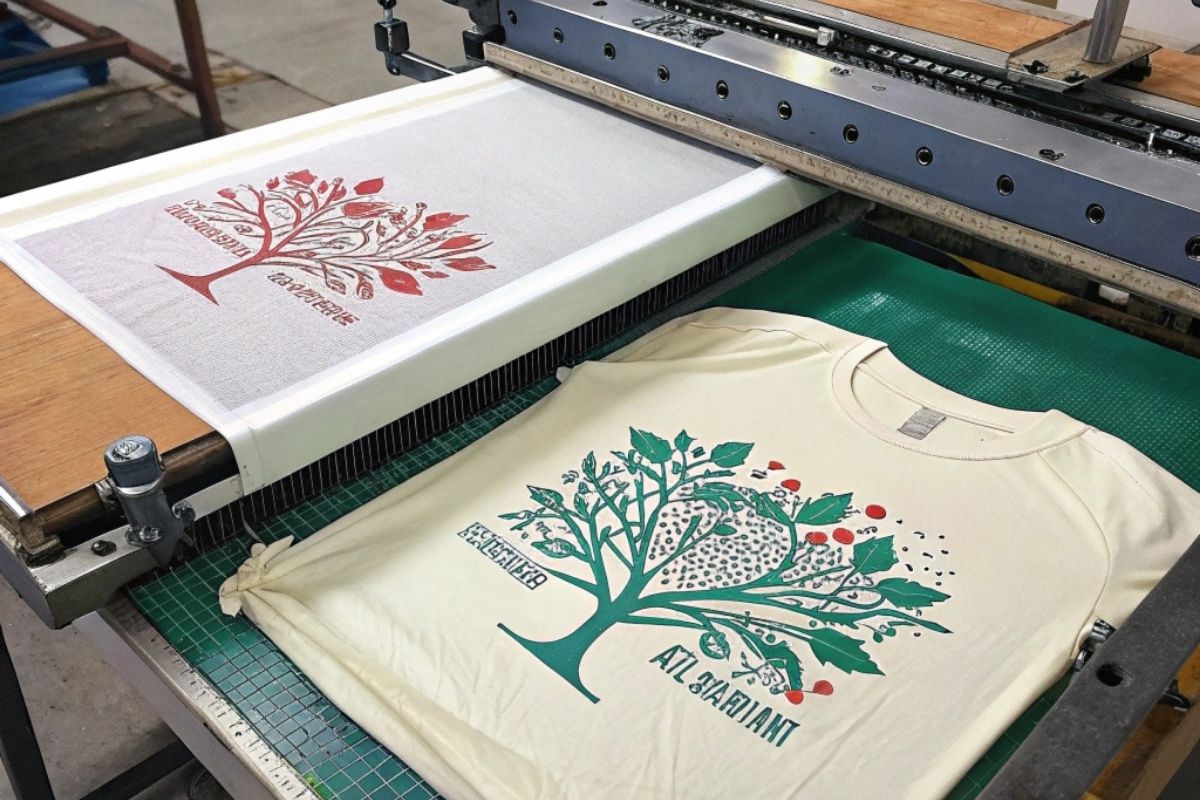
Ink is pushed across the screen with a squeegee, transferring it onto the fabric. Every color is printed separately, requiring precise alignment called registration. Improper registration leads to blurry or doubled images, so careful setup is essential.
5. Curing the Print
Curing is what gives screen prints their strength. The ink is heated to bond permanently with the fabric fibers. Incorrect curing can cause cracking, peeling, or fading. Correct curing ensures the design survives washing, stretching, and daily wear.
Types of Screen Printing Techniques
Several screen printing techniques contribute to premium-quality results. Each offers a unique finish and feel.
• Plastisol Printing
This is the most common method and is known for vibrant, opaque colors. It sits slightly on top of the fabric, giving a bold, raised look. Plastisol works well on darker fabrics where vivid design visibility is important.
• Water-Based Printing
Water-based inks soak into the fabric instead of sitting on top. This creates a soft, breathable feel and is perfect for casual wear and children’s clothing. It works best on lighter fabrics and produces a smooth, natural finish.
• Discharge Printing
Discharge printing removes the fabric’s original dye and replaces it with the print color. The result is extremely soft, almost like there is no print at all. This method is widely loved for vintage or faded style prints.
• Puff Printing
Puff printing uses an expanding additive in the ink, giving a raised, three-dimensional look. It is often used for logos, lettering, and graphic accents that need to stand out visually.
• High-Density Printing
High-density inks create thick layers with sharp edges. This method is popular for bold designs where texture plays a role in visual appeal.
Choosing the Right Fabric for Premium Quality
Even the best screen printing technique will fail if the fabric is unsuitable. Cotton remains the most preferred choice because it absorbs ink well and feels comfortable against the skin. Blended fabrics like cotton-polyester can also provide excellent results when treated correctly.
Important fabric considerations include:
- Weight and thickness
- Shrinkage control
- Surface smoothness
- Colorfastness
Smooth fabric leads to sharper prints, while rough material may break the edges of the design.
Key Factors That Influence Print Quality
Delivering premium-quality T-shirts requires attention to detail. The following factors play a major role:
- Proper tension of the mesh screen
- Correct squeegee pressure and angle
- Quality of ink and curing temperature
- Clean and accurate artwork
- Dust-free printing surface
Even a small error, such as uneven pressure, can distort the print. Professional printers follow disciplined processes to maintain consistency across bulk orders.
Design Tips for Premium-Quality Screen Printing
Premium quality begins at the design stage. Here are some practical design tips:
- Keep text readable and not overly thin
- Avoid unnecessary clutter
- Use contrast between fabric and ink colors
- Maintain balanced spacing
- Think about how the design will look when worn
A design that appears good on a computer screen may look very different on fabric, so visual placement matters.
Caring for Screen-Printed T-Shirts
A premium print stays premium when cared for properly. Basic after-care practices include:
- Washing inside-out
- Avoiding very hot water
- Not ironing directly over the print
- Avoiding harsh bleach detergents
These simple steps help preserve brightness and fabric quality.
Screen Printing for Custom and Bulk Orders
Screen printing is especially efficient for bulk production because the same screen can be used repeatedly. This makes it ideal for uniforms, events, company branding, colleges, sports teams, and fashion stores. People looking for bulk orders of customised T-shirts Chennai often prefer screen printing because it delivers consistency, sharpness, and cost-effectiveness at the same time.
Common Mistakes to Avoid
To achieve premium-quality results, the following mistakes should be avoided:
- Poor fabric selection
- Printing on damp garments
- Over-curing or under-curing
- Using low-resolution artwork
- Ignoring test prints
Test printing helps identify alignment and color issues before bulk production begins.
Why Screen Printing Continues to Stay Popular
Despite the arrival of many new printing technologies, screen printing remains a favorite. Its advantages include:
- Strong color vibrancy
- Long-lasting durability
- Wide design compatibility
- Flexibility for small or large orders
Most importantly, it produces a professional finish that appeals to both casual wearers and brand-focused buyers.
Final Thoughts
Screen printing techniques combine skill, patience, and the right materials to produce premium-quality T-shirts. When every stage—from design to curing—is handled with care, the result is clear, bold, and long-lasting prints. Whether for business, events, or personal style, screen-printed T-shirts continue to be the preferred choice because they balance beauty, durability, and comfort.
Premium quality doesn’t come from just machines; it comes from understanding the process and respecting every step. With thoughtful design, the right fabric, proper technique, and good after-care, screen-printed T-shirts can truly stand out and make a lasting impression.