The restaurant industry has changed more in the last few years than it did in decades. Customers no longer rely only on walk-ins or phone calls to place orders. They expect convenience, speed, and digital access—right from browsing menus to tracking deliveries. In 2026, having a mobile app is no longer optional for food businesses; it’s a strategic necessity.
This complete guide explores restaurant app development, why it matters, the features that drive success, and how working with the right restaurant app development company can help food businesses grow sustainably.
What Is Restaurant App Development?
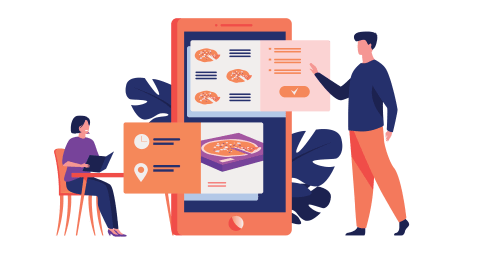
Restaurant app development is the process of creating mobile and web applications that help restaurants manage online orders, reservations, payments, delivery, and customer engagement. These apps act as a direct digital bridge between restaurants and customers.
A well-built restaurant app can support:
- Online food ordering
- Table reservations
- Contactless payments
- Delivery and pickup management
- Customer loyalty programs
From small cafés to multi-location chains, restaurant apps are transforming how food businesses operate and serve customers.
Why Food Businesses Need a Restaurant App in 2026
Consumer behavior has shifted permanently toward digital-first experiences. People want to order food with minimal effort and maximum transparency.
Here’s why restaurant apps are essential in 2026:
- Convenience: Customers can order anytime, anywhere
- Direct communication: Restaurants connect with customers without third-party platforms
- Better margins: Reduced dependency on aggregators means lower commissions
- Brand loyalty: Apps help build long-term customer relationships
Food businesses that invest in restaurant app development gain more control over sales, data, and customer experience.
Types of Restaurant Apps
Different food businesses have different needs. A professional restaurant app development company helps design apps based on business models such as:
1. Online Food Ordering Apps
Allow customers to browse menus, customize orders, and pay online.
2. Table Reservation Apps
Ideal for dine-in restaurants that want to manage bookings efficiently.
3. Delivery & Pickup Apps
Support real-time order tracking and flexible delivery options.
4. Multi-Restaurant Apps
Useful for food chains or marketplaces managing multiple outlets.
5. Loyalty & Rewards Apps
Encourage repeat orders through points, discounts, and offers.
Must-Have Features in a Restaurant App
The success of a restaurant app depends largely on its features and usability. In 2026, customers expect apps to be fast, simple, and reliable.
Customer App Features
- Easy registration and login
- Digital menu with images and prices
- Order customization
- Secure online payments
- Real-time order tracking
- Push notifications for offers and updates
Restaurant Admin Panel
- Menu management
- Order management dashboard
- Payment and sales reports
- Customer data insights
Delivery Management (If Applicable)
- Driver assignment
- Live tracking
- Order status updates
A skilled restaurant app development company ensures these features work seamlessly across devices.
Technology Stack Used in Restaurant App Development
Behind every smooth app experience is a strong technology foundation.
Common technologies include:
- Frontend: React Native, Flutter, Swift, Kotlin
- Backend: Node.js, Laravel, Django
- Database: MySQL, PostgreSQL, MongoDB
- Cloud Services: AWS, Google Cloud
- Payment Gateways: UPI, cards, wallets
Choosing the right tech stack ensures scalability, security, and performance as your business grows.
How Restaurant Apps Improve Business Efficiency
Restaurant apps are not just customer tools—they also streamline operations.
Key operational benefits include:
- Reduced manual order errors
- Faster order processing
- Better inventory planning
- Improved staff coordination
By automating routine tasks, restaurant owners can focus more on food quality and customer satisfaction.
Cost of Restaurant App Development
The cost of restaurant app development varies depending on several factors, including:
- Number of features
- Platform (Android, iOS, or both)
- UI/UX complexity
- Third-party integrations
- Customization level
Basic apps cost less, while advanced, feature-rich apps require higher investment. A reliable restaurant app development company helps businesses balance cost with long-term value.
Custom App vs Third-Party Food Delivery Platforms
Many restaurants rely on aggregator platforms, but these come with high commissions and limited control.
Benefits of Having Your Own App:
- No heavy commission fees
- Direct access to customer data
- Better branding and loyalty
- Full pricing control
While third-party platforms can support visibility, a custom restaurant app offers independence and long-term profitability.
Security and Data Protection
With online payments and personal data involved, security is critical.
A professional restaurant app development company implements:
- Secure payment gateways
- Data encryption
- User authentication systems
- Regular security updates
This builds customer trust and protects the business from digital risks.
Future Trends in Restaurant App Development
Restaurant apps in 2026 are evolving with new technologies, including:
- AI-based menu recommendations
- Voice-enabled ordering
- Contactless dining experiences
- Integration with smart devices
Staying updated with trends helps food businesses remain competitive and innovative.
How to Choose the Right Restaurant App Development Company
Selecting the right development partner is key to success.
Look for a company that offers:
- Industry experience
- Custom development solutions
- Scalable architecture
- Post-launch support
A trusted restaurant app development company understands both technology and food business operations, ensuring a solution that delivers real results.
Final Thoughts
Restaurant app development is no longer a luxury—it’s a growth strategy for modern food businesses. In a competitive market where customer experience matters more than ever, having a dedicated restaurant app gives businesses control, efficiency, and direct customer engagement.
By working with an experienced restaurant app development company, food businesses can build powerful digital platforms that increase orders, improve loyalty, and future-proof their operations.
The restaurants that invest in digital innovation today are the ones that will lead the food industry tomorrow.