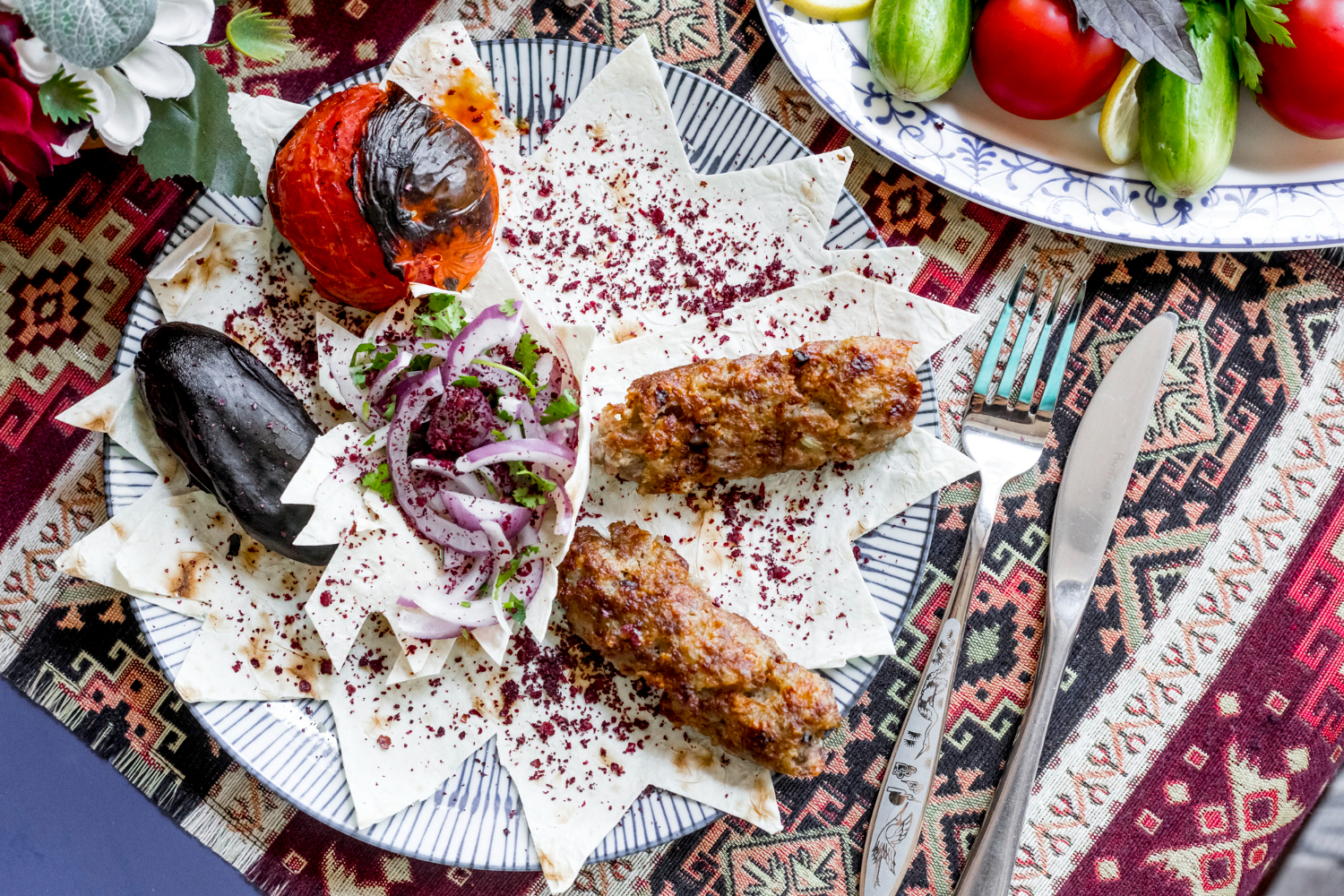
The secret to Middle Eastern food is slow cooking and fresh spices. Chefs use a lot of tahini and ice water for smooth hummus. They marinate meats for a long time to keep them very juicy. Most importantly, they cook with a spirit of extreme generosity and care. These small steps make every single bite taste like a true home.
Introduction
Middle Eastern food is more than just a meal. It is a mix of history and warm welcome. You can smell the grilled meat and fresh spices in the air. People all over the world love these flavors. Places like Aalia Restaurant Sydney show how modern skills meet old traditions. But why do these dishes taste so good at a middle eastern restaurant? It is not just about the old recipes. It is about special tricks passed down for many years. We will look at how chefs make this food so special.
The Soul of the Menu and Big Flavors
Any good middle eastern restaurant will please every part of your mouth. You get salty meat and sour pickles in one bite. There is always a mix of soft food and crunchy bits. Chefs use balance to make the food taste very deep. We will now show you the secrets they use every day.
The Secret to the Smoothest Hummus
Hummus is the most famous dish in a middle eastern restaurant. Restaurant hummus is much smoother than the kind you buy at stores. The secret starts with the way they blend the chickpeas.
The Ice Water Trick
Chefs do not just use warm water to blend their dip. They add ice-cold water or even small ice cubes to the mix. This makes the tahini and beans turn into a light foam. The result is a dip that feels like clouds on your tongue.
Using More Tahini
Home cooks often use too many chickpeas and not enough sesame paste. A middle eastern restaurant uses a high amount of tahini for creaminess. This adds a rich nut flavor that balances out the fresh garlic. It makes the dip feel much more luxurious and smooth.
Mastering the Grill and the Open Flame
The grilled meat section of the menu is where the magic happens. Whether it is a kebab or kofta, the heat is very high. But the real secret happens before the meat even touches the fire.
The Grated Onion Trick
Chefs do not use chopped onions when they make ground meat skewers. They grate the onions into a fine pulp and use the juice. The onion juice keeps the meat very soft during the fast cook. It also helps the meat stay on the skewer without falling off.
Letting the Meat Rest
A great chef never serves meat the second it leaves the grill. They let the skewers rest on top of fresh flatbread for a while. The bread catches all the tasty juices that drip off the meat. This makes the meat stay juicy and makes the bread taste amazing.
Why Shawarma is Always So Tender
That big tower of meat turning on a pole is very important. At a middle eastern restaurant, this allows meat to cook in its fat. This process keeps every thin slice very moist and full of flavor.
Using Layers of Fat
The best shawarma has layers of lamb fat at the very top. As the meat turns, the fat melts and runs down the sides. This coats every piece of meat in a rich and salty sauce. That is why the meat melts in your mouth when you eat it.
The Magic of a Middle Eastern Spice Rack
Middle Eastern cooking uses spices that give you a sudden pop of flavor. These spices are not just for heat but for a deep smell. They make the food taste bright and very interesting to eat.
Sumac and the Sour Taste
You might taste something sour that is not a lemon or vinegar. That flavor usually comes from a red berry powder called sumac. It adds a tart and floral taste to salads and grilled meats. It is the secret weapon for making food taste very fresh.
Aleppo Pepper for Soft Heat
Most Middle Eastern dishes are not very spicy or painful to eat. Chefs use Aleppo pepper to add a mild and fruity kind of heat. It adds a beautiful red color and a tiny bit of kick. This pepper makes the dish more complex without burning your mouth.
How to Get the Perfect Falafel Crunch
A perfect falafel must be very crunchy on the outside. Every middle eastern restaurant wants a soft and light green center. Making them the right way is actually a very careful science.
Avoid Using Canned Beans
The biggest secret is that chefs never use cooked or canned beans. They soak dry chickpeas for a full day but grind them raw. This keeps the falafel from turning into a mushy or heavy ball. It allows the outside to get a very loud and crispy snap.
Using Lots of Fresh Herbs
That green color comes from a huge amount of parsley and cilantro. The water in the fresh herbs turns into steam inside the fryer. This steam makes the falafel light and fluffy like a small cake. It also gives the food a very clean and earthy smell.
The Power of Pomegranate Molasses
This thick syrup is often called the balsamic vinegar of the East. It is used in many dips and meat dishes for extra depth. It provides a dark sweetness and a very sharp and tangy kick. It balances out heavy spices and makes the sauce taste very rich.
Making Rice the Center of the Meal
Rice is never just a side dish at a middle eastern restaurant. Whether it has noodles or meat, the flavor is very strong. The secret to this taste is the fat they use for cooking.
Fermented Butter and Smoke
Traditional kitchens use a special butter called smen to fry the rice. They also use a trick with a piece of hot charcoal. They put the coal in a small cup inside the rice pot. This gives the rice a smoky smell as if it cooked outside.
Bread is the Most Important Tool
The flatbread or pita is always served warm and full of air. This bread is baked in a stone oven that is very hot. The high heat makes the dough puff up into a big ball. This creates a pocket that is perfect for holding meat and salad.
The Secrets of Fresh Tabbouleh and Fattoush
People often wonder why restaurant salads taste so much better than home versions. The secret is the way the chefs treat the fresh green herbs.
Changing the Main Ingredient
Most people think tabbouleh is a grain salad with some green bits. In a real middle eastern restaurant, it is a green salad. They use a lot of parsley and very little cracked wheat. They also cut the herbs by hand with a very sharp knife.
A Sweet Ending Beyond Just Sugar
Desserts like baklava are very sweet but they also smell like flowers. The secret is the special syrup they pour over the hot pastry. They add orange blossom water or rose water to the sugar mix. This makes the dessert feel light and very fancy to the senses.
Generosity is the Hidden Ingredient
The idea of hospitality is a big part of the cooking process. Chefs at Aalia Restaurant Sydney believe that happy guests enjoy the food more. They often give you free tea or pickles to show they care. This kindness actually makes your brain enjoy the meal much more.
The Choice of the Best Olive Oil
The best restaurants are very picky about the olive oil they use. A middle eastern restaurant uses oil from specific trees in Lebanon. They often pour the oil over the food at the very end. This keeps the oil tasting fresh and a little bit like grass.
Pickles as a Way to Clean the Palate
The pink turnips and green pickles are not just there for show. Their sour taste helps your mouth feel fresh after eating rich meat. They cut through the fat and help you taste the next bite. This keeps your taste buds excited for the whole meal.
Bringing the Restaurant Magic to Your Table
The secrets of these loved dishes are about being very patient and careful. It is about using the right spices and the perfect amount of heat. You now know that small steps can change the taste of food. Middle Eastern cooking is a gift that has been refined for centuries. Next time you eat this food, think about the history in every bite.