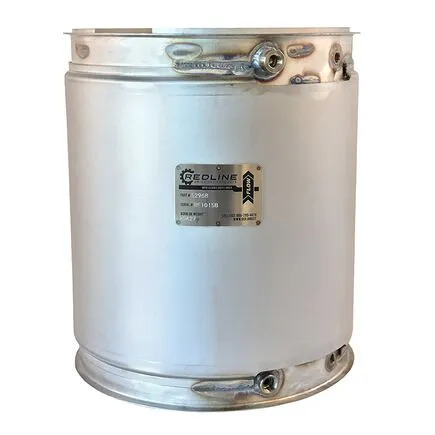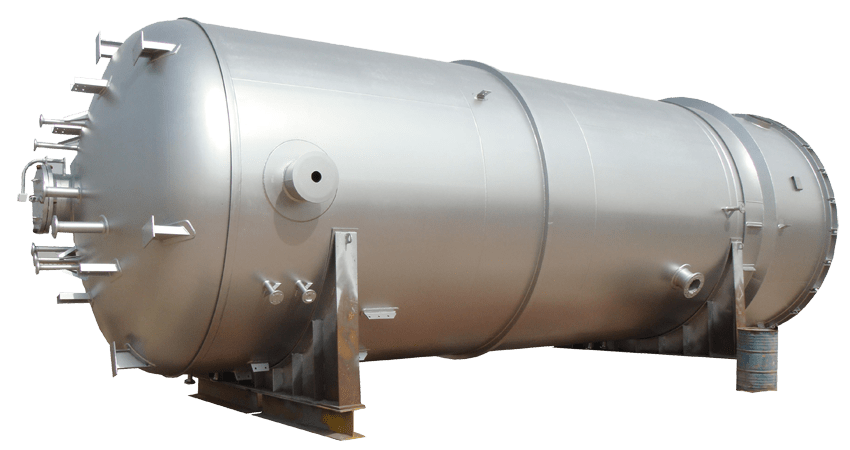
Pressure vessel tank is a strong container used to hold liquids or gases under high pressure. They are found in many industries like power plants, factories, and food processing units. Because they work under pressure, proper care and maintenance are very important. Good maintenance helps the tank last longer, work safely, and avoid costly repairs.
In this blog, we will explain simple and effective maintenance practices that help keep pressure vessel tanks in good condition for a long time.
1. Regular Inspection Is Important
Why It Matters
Over time, tanks can develop small cracks, rust, or weak spots. If these problems are not noticed early, they can become dangerous.
Best Practice
-
Check the tank surface regularly
-
Look for rust, leaks, or dents
-
Inspect joints, welds, and valves
Early inspection helps fix small problems before they turn big.
2. Keep the Tank Clean
Why It Matters
Dirt, dust, and chemical residue can damage the tank material and reduce its strength.
Best Practice
-
Clean the outer surface often
-
Remove any buildup inside the tank during shutdowns
-
Use cleaning methods that do not harm the tank material
A clean tank works better and lasts longer.
3. Monitor Pressure and Temperature
Why It Matters
Running a tank above its safe pressure or temperature can cause serious damage.
Best Practice
-
Use proper gauges and sensors
-
Do not exceed the recommended limits
-
Fix faulty measuring devices immediately
Correct pressure control protects the pressure vessel tank from stress and failure.
4. Prevent Rust and Corrosion
Why It Matters
Rust slowly eats away metal and weakens the tank.
Best Practice
-
Apply protective coatings or paint
-
Control moisture around the tank
-
Use corrosion-resistant materials when possible
Preventing rust adds many years to the tank’s life.
5. Follow a Maintenance Schedule
Why It Matters
Skipping maintenance can lead to sudden breakdowns and safety risks.
Best Practice
-
Create a regular maintenance plan
-
Record inspections and repairs
-
Replace worn parts on time
A planned schedule keeps everything under control.
6. Train Workers Properly
Why It Matters
Untrained handling can damage equipment and cause accidents.
Best Practice
-
Teach workers safe operating methods
-
Explain warning signs and emergency steps
-
Encourage reporting of unusual sounds or leaks
Well-trained staff help keep the tank safe.
7. Work With Trusted Experts
Why It Matters
Experts understand design limits and safety rules better.
Best Practice
-
Consult certified inspectors
-
Use spare parts approved by the pressure vessel manufacturer
-
Follow industry safety standards
Professional support ensures long-term reliability.
Final Thoughts
Good maintenance is the key to a long-lasting and safe pressure vessel tank. Regular inspections, cleaning, rust prevention, pressure monitoring, and trained workers all play an important role. When maintenance is done on time, tanks work better, last longer, and keep people safe.
By following these best practices, industries can reduce downtime, save money, and improve safety for everyone.