Pregnancy is a transformative period in a woman’s life, bringing exciting changes alongside unique health challenges. While most expectant mothers focus on diet, exercise, and routine prenatal care, oral health is often overlooked. However, dental hygiene plays a crucial role in ensuring both maternal and fetal wellbeing. Emerging research has highlighted a potential connection between gum disease and premature birth, making it an important consideration for anyone expecting a child.Pregnancy can increase susceptibility to gum problems due to hormonal fluctuations and untreated oral infections may contribute to complications during pregnancy. This article explores the risks, preventive strategies and safe dental care practices every expectant mother should know.
Understanding Gum Disease
Gum disease, medically referred to as periodontal disease, ranges from mild inflammation (gingivitis) to severe infection (periodontitis). It occurs when bacteria in dental plaque accumulate along the gum line, leading to irritation, swelling, and potential tissue damage.
Common signs of gum disease include:
- Red, swollen, or tender gums
- Bleeding while brushing or flossing
- Persistent bad breath
- Receding gums or tooth mobility
Without timely intervention, gum disease can progress, allowing bacteria to enter the bloodstream, which may trigger systemic inflammatory responses, an aspect particularly concerning during pregnancy.
How Pregnancy Affects Oral Health
Hormonal changes during pregnancy increase blood flow to the gums and alter the body’s response to plaque. These shifts can make gums more sensitive, inflamed, or prone to bleeding. Common conditions include pregnancy gingivitis, which often develops between the second and eighth months.
Factors contributing to oral health challenges during pregnancy:
- Increased blood circulation in gum tissues
- Changes in saliva composition
- Morning sickness causing acid exposure to teeth and gums
- Increased plaque accumulation
Regular dental check-ups and preventive care are essential to detect and manage issues early, reducing the risk of complications for both mother and baby.

The Link Between Gum Disease and Premature Birth
Scientific studies suggest a correlation between severe gum disease and adverse pregnancy outcomes including premature birth and low birth weight. Bacteria from infected gums can enter the bloodstream, potentially triggering inflammatory responses that affect the uterus and fetal development.
Potential risks associated with gum disease during pregnancy:
- Premature labour
- Low birth weight infants
- Developmental complications
Maintaining healthy gums is critical, not only for oral comfort but also for overall pregnancy safety. Expectant mothers should discuss any signs of gum disease with their dental professional promptly.
Risk Factors That Increase Susceptibility
Certain factors make some pregnant women more susceptible to gum disease and associated pregnancy complications.
Key risk factors include:
- Pre-existing periodontal disease
- Poor oral hygiene habits
- Smoking or tobacco use
- Diabetes or other chronic conditions
- Stress or nutritional deficiencies
Addressing these factors early can significantly reduce the likelihood of gum disease impacting pregnancy outcomes.
Preventive Measures During Pregnancy
Proper oral hygiene and professional care are essential for expectant mothers to minimise risks. Preventive strategies can maintain gum health and reduce the chance of complications.
Recommended preventive measures:
- Brush teeth at least twice daily and floss gently
- Schedule routine dental cleanings
- Eat a balanced, nutrient-rich diet
- Avoid tobacco, alcohol and excessive sugar
- Inform your dentist about your pregnancy for safe treatment
Following these measures can enhance oral health, prevent infection, and contribute to a safer pregnancy. Clinics specialising in gum disease London treatments often provide tailored guidance for expecting mothers.
Safe Dental Treatments During Pregnancy
Many dental treatments are safe during pregnancy, but timing and procedure selection are important. Preventive and routine care is typically encouraged, while elective or extensive treatments may be postponed until after childbirth.
Safe treatments by trimester:
- First trimester: Limited procedures; focus on examinations and hygiene
- Second trimester: Ideal time for cleanings and non-invasive treatments
- Third trimester: Short appointments for necessary treatments; elective work often delayed
Treatments usually postponed:
- Cosmetic procedures
- Extensive surgical interventions
- Routine X-rays (unless essential, with proper shielding)
Professional guidance ensures that both mother and baby remain safe while maintaining oral health.
Signs You Should Seek Immediate Dental Care
Recognising urgent symptoms is crucial to prevent complications. Expectant mothers should contact their dentist promptly if they experience:
- Severe gum bleeding or pain
- Persistent bad breath or unusual taste
- Swelling or pus around the gums
- Loose or shifting teeth
Early intervention can prevent infections from affecting overall health and pregnancy outcomes.
Frequently Asked Questions
Can mild gum disease harm my baby? Even mild inflammation should be monitored, as it can progress if untreated.
Is dental cleaning safe during the first trimester? Routine check-ups are generally safe; extensive procedures are often scheduled for the second trimester.
How often should I visit the dentist during pregnancy? A check-up every three to six months is recommended, but your dentist may advise more frequent visits depending on oral health.
Are there home remedies for pregnancy gingivitis? Gentle brushing, flossing, and antiseptic rinses are helpful, but professional supervision is crucial.
Post-Operative Care and Long-Term Oral Health
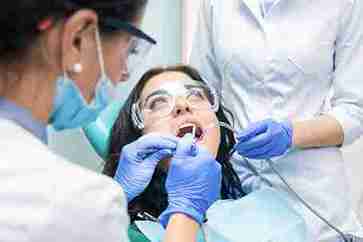
Maintaining oral health during pregnancy doesn’t end with dental visits. Consistent self-care and monitoring ensure long-term gum health.
Post-care guidelines:
- Continue gentle brushing and flossing around sensitive areas
- Use dentist-approved mouth rinses
- Maintain regular follow-ups for professional cleaning
- Monitor for changes in gum colour, swelling, or bleeding
Expectant mothers who follow these practices are better protected against complications, including premature birth. Clinics offering dental implant London and gum care services often provide specialised advice for prenatal patients to ensure both oral and systemic health are prioritised.
Conclusion
Pregnancy is a delicate period where every aspect of health matters, including oral hygiene. Gum disease can pose serious risks, including premature birth and low birth weight, making preventive care and regular dental monitoring essential. Expecting mothers should prioritise proper hygiene, professional care, and timely interventions to safeguard their health and their baby’s well-being. Clinics like Smilo Dental Implant London provide personalised care and guidance for managing gum health during pregnancy, helping mothers maintain a healthy smile and reduce risks associated with gum disease while ensuring a safe and comfortable journey to childbirth.