A healthy, straight smile is not only about looks. It also helps with proper chewing, clear speech, and overall oral health. When teeth are crooked or not aligned well, it can lead to many dental problems over time. This is where orthodontic treatment becomes important.
In recent years, more people have started looking for orthodontics dubai solutions to improve their smiles using modern and comfortable treatment options. Dubai has become a popular place for orthodontic care because of advanced technology and skilled dental professionals.
This guide will help you clearly understand orthodontics, the common problems it treats, and most importantly, the difference between braces and Invisalign. By the end of this article, you will be able to decide which option may be better for you or your family.
What Is Orthodontics?
Orthodontics is a special branch of dentistry. It focuses on correcting teeth and jaw alignment problems. These problems may be present from childhood or develop over time.
Orthodontic treatment helps move teeth into the right position slowly and safely. This improves both the function and appearance of the teeth.
Common Problems Treated by Orthodontics
Orthodontic care can help fix many dental issues, such as:
- Crooked or misaligned teeth
- Crowded teeth
- Gaps between teeth
- Overbite (upper teeth covering lower teeth too much)
- Underbite (lower teeth sticking out)
- Crossbite
- Open bite
Correcting these problems early or even later in life can prevent future dental issues like tooth wear, gum disease, and jaw pain.
Why Orthodontic Treatment Is Important
Many people think orthodontic treatment is only about beauty. While it does improve appearance, it also plays a big role in oral health.
Here are some key benefits:
- Better oral hygiene: Straight teeth are easier to clean
- Lower risk of cavities and gum disease
- Improved chewing and digestion
- Clearer speech
- Less strain on jaw muscles
- Boost in confidence
Orthodontic treatment can be helpful at almost any age. Children, teenagers, and adults can all benefit from it.
Types of Orthodontic Treatments
Today, orthodontics offers different treatment options. The two most popular ones are traditional braces and Invisalign.
Let us understand each option in detail before comparing them.
Traditional Braces Explained
Traditional braces have been used for many years. They are very effective for treating simple and complex dental problems.
What Are Braces Made Of?
Braces usually include:
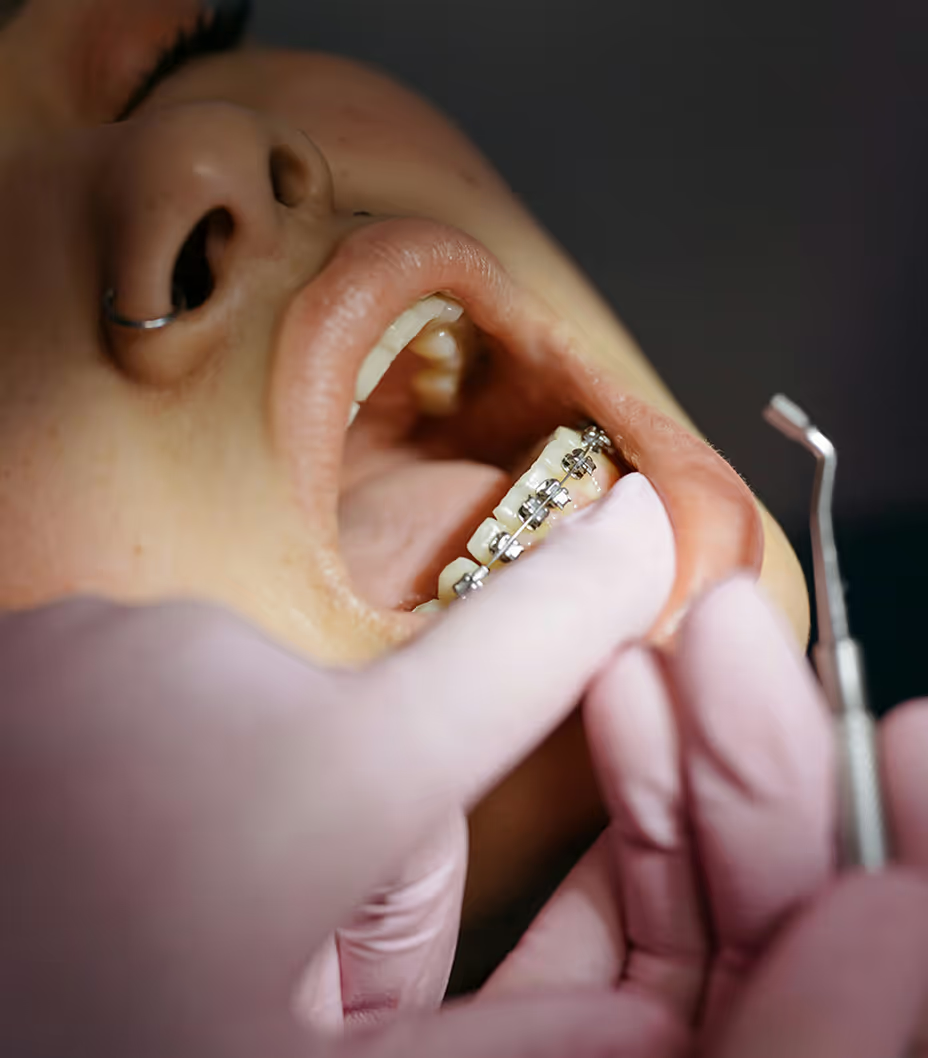
- Metal or ceramic brackets attached to teeth
- Wires that connect the brackets
- Elastic bands that help move teeth
The orthodontist adjusts the wires regularly to slowly move teeth into the correct position.
Types of Braces
There are different types of braces available:
- Metal Braces
- Made of stainless steel
- Strong and effective
- Most common and affordable
- Ceramic Braces
- Tooth-colored or clear
- Less noticeable than metal braces
- Slightly more expensive
- Lingual Braces
- Fixed behind the teeth
- Not visible from the front
- Can be harder to clean
Benefits of Braces
Braces offer many advantages, such as:
- Suitable for all orthodontic problems
- Very precise tooth movement
- Do not rely on patient discipline
- Often faster for complex cases
They are a reliable option, especially for severe misalignment or jaw problems.
Challenges of Braces
While braces are effective, they also come with some challenges:
- More visible on teeth
- Can cause discomfort after adjustments
- Food restrictions (hard or sticky foods)
- Cleaning teeth takes extra effort
Despite these challenges, braces remain a trusted choice for many patients.
What Is Invisalign?
Invisalign is a modern orthodontic treatment that uses clear, removable aligners instead of brackets and wires.
These aligners are custom-made to fit your teeth and gradually move them into the correct position.
How Invisalign Works
- A digital scan of your teeth is taken
- A series of clear aligners is created
- Each aligner is worn for about 1–2 weeks
- Aligners are removed only for eating and cleaning
Over time, teeth move step by step into proper alignment.
Benefits of Invisalign
Invisalign is popular because of its comfort and appearance.
Main benefits include:
- Almost invisible
- Removable for eating and brushing
- No food restrictions
- Less irritation to gums and cheeks
- Easy to maintain oral hygiene
Many adults and teenagers prefer Invisalign for its discreet nature.
Challenges of Invisalign
Even though Invisalign has many benefits, it may not suit everyone.
Some limitations are:
- Requires discipline (20–22 hours daily wear)
- Not ideal for very complex cases
- Can be more expensive than braces
- Aligners can be lost or damaged
For Invisalign to work well, patients must follow instructions carefully.
Braces vs Invisalign: A Simple Comparison
Let us compare braces and Invisalign in an easy way.
Appearance
- Braces: Visible on teeth
- Invisalign: Almost invisible
Comfort
- Braces: May cause soreness and mouth irritation
- Invisalign: Smooth and comfortable
Removability
- Braces: Fixed, cannot be removed
- Invisalign: Can be removed anytime
Eating Habits
- Braces: Food restrictions apply
- Invisalign: No food restrictions
Oral Hygiene
- Braces: Requires extra cleaning care
- Invisalign: Easy brushing and flossing
Treatment Time
- Braces: Often 18–24 months
- Invisalign: Usually similar but varies by case
Effectiveness
- Braces: Best for complex cases
- Invisalign: Best for mild to moderate cases
Which Option Is Right for You?
Choosing between braces and Invisalign depends on many factors:
- Severity of dental problem
- Age of the patient
- Lifestyle and daily routine
- Budget
- Personal comfort and preference
An orthodontist can guide you after examining your teeth and bite.
Orthodontic Treatment for Children and Teenagers
Early orthodontic care can prevent bigger problems later.
Benefits of Early Treatment
- Guides jaw growth
- Creates space for permanent teeth
- Reduces need for tooth removal
- Shortens future treatment time
Children may start orthodontic evaluations as early as age 7.
Orthodontic Treatment for Adults
It is never too late to improve your smile.
Adults often choose Invisalign because:
- It is discreet
- Fits professional lifestyles
- Allows flexibility
Braces are also common among adults who need more detailed correction.
Life During Orthodontic Treatment
Orthodontic treatment requires patience, but results are worth it.
Regular Appointments
- Braces need adjustments every few weeks
- Invisalign requires aligner changes
Oral Care Tips
- Brush after every meal
- Use floss or interdental brushes
- Clean aligners properly
- Avoid skipping appointments
Good habits help achieve better and faster results.
After Orthodontic Treatment: Retainers
Once treatment is complete, retainers are necessary.
Why Retainers Are Important
- Keep teeth in their new position
- Prevent teeth from shifting back
Retainers may be removable or fixed and should be worn as advised.
Cost Factors to Consider
Orthodontic treatment costs vary based on:
- Type of treatment chosen
- Length of treatment
- Complexity of the case
- Technology used
It is important to focus on quality care rather than choosing only by price.
Final Thoughts
Orthodontic treatment is a valuable investment in your health and confidence. Whether you choose braces or Invisalign, the goal is the same: a healthy, straight, and beautiful smile.
Understanding the differences between these options helps you make an informed decision. With proper guidance and care, orthodontic treatment can bring long-lasting results and improved quality of life.
If you are considering orthodontics in dubai care and want professional guidance, Dome MedDental Clinic offers expert consultation and personalized treatment plans to help you achieve a confident and healthy smile.