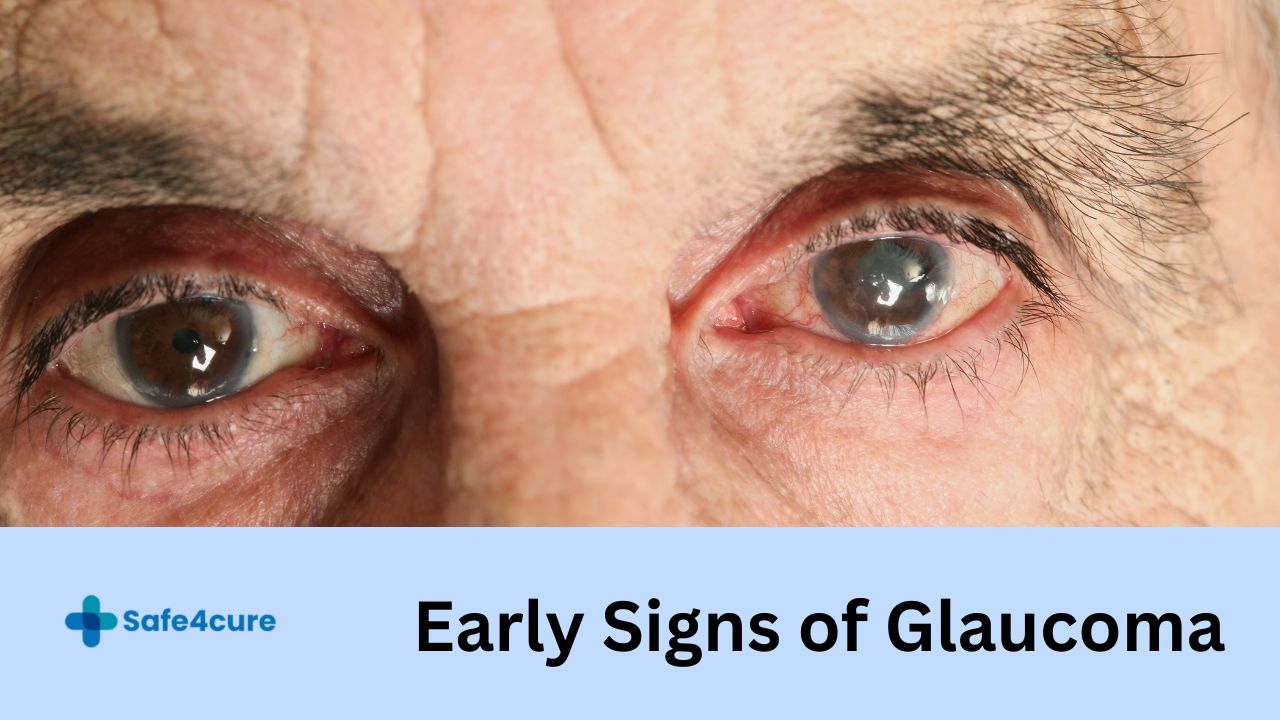
Open-angle glaucoma is one of the leading causes of irreversible blindness in the UK, affecting approximately 2% of people over the age of 40. Often described as a “silent” eye condition, it typically develops gradually and without noticeable symptoms, meaning many individuals remain undiagnosed until permanent vision damage has already occurred. Raising awareness about open-angle glaucoma, recognising early warning signs, and understanding available NHS treatment options are critical steps in preserving long-term vision and maintaining overall quality of life.
This comprehensive guide covers everything you need to know about open-angle glaucoma treatment in the UK, from early diagnosis and routine eye screening to modern management strategies recommended by UK ophthalmologists. Particular attention is given to first-line medication options, including prostaglandin analogue eye drops. Bimatoprost eye drops treat open-angle glaucoma and ocular hypertension by reducing intraocular pressure, helping to slow disease progression and protect the optic nerve. When used consistently as prescribed, these treatments play a vital role in preventing further vision loss and supporting effective long-term glaucoma management.
What is Open-Angle Glaucoma?
Open-Angle Glaucoma Definition
Open-angle glaucoma is a chronic, progressive eye condition characterised by damage to the optic nerve, typically associated with elevated intraocular pressure (IOP). The term “open-angle” refers to the drainage angle in the eye remaining open, unlike in angle-closure glaucoma, where the drainage angle becomes blocked suddenly.
In this condition, the trabecular meshwork—the eye’s drainage system—gradually becomes less efficient at draining aqueous fluid. This leads to a slow build-up of pressure inside the eye, which damages the optic nerve fibres over time. The damage progresses from the peripheral vision inward, which is why many patients don’t notice symptoms until substantial vision loss has occurred.
Open-Angle Glaucoma Causes
Several factors contribute to the development of open-angle glaucoma:
Primary risk factors include:
- Age (risk increases significantly after 40)
- Family history of glaucoma
- Ethnicity (African-Caribbean and Asian populations face higher risk)
- High intraocular pressure
- Thin corneas
- Medical conditions such as diabetes, hypertension, and cardiovascular disease
Secondary causes may involve:
- Long-term use of corticosteroid medications
- Previous eye injuries or surgery
- Severe eye inflammation
Juvenile Open-Angle Glaucoma
Juvenile open-angle glaucoma is a rare form that affects individuals between the ages of 3 and 40 years. This genetic condition often runs in families and typically presents with higher intraocular pressures than adult-onset glaucoma. Early diagnosis and aggressive treatment are crucial for preserving vision in younger patients, as they have many decades of life ahead during which the condition could progress.
Open-Angle Glaucoma Symptoms
One of the most challenging aspects of open-angle glaucoma is that it often progresses without noticeable symptoms in the early stages, earning it the nickname “the silent thief of sight.”
Common signs include:
- Gradual loss of peripheral (side) vision, usually in both eyes
- Tunnel vision in advanced stages
- Difficulty adapting to darkness
- Problems with glare sensitivity
- Rarely, seeing halos around lights
Most patients don’t experience pain, redness, or acute vision changes, which is why regular eye examinations are essential, particularly for those over 40 or with risk factors.
Open-Angle Glaucoma Zero to Finals
For medical students and healthcare professionals studying open-angle glaucoma (often referenced in resources like Zero to Finals), key clinical features to remember include:
- Optic disc cupping with a cup-to-disc ratio greater than 0.5
- Visual field defects, typically arcuate scotomas
- Elevated IOP (though normal-tension glaucoma exists)
- Open drainage angles on gonioscopy
- Progressive nature requiring lifelong monitoring
Treatment for Open-Angle Glaucoma in the UK
The primary goal of glaucoma treatment is to lower intraocular pressure to prevent further optic nerve damage. Treatment cannot restore vision already lost, making early detection and consistent management crucial.
First-Line Medical Treatment
Prostaglandin Analogues are typically the first choice for treatment in the UK:
Bimatoprost Eye Drops – One of the most effective medications available, bimatoprost works by increasing the outflow of aqueous fluid from the eye. Available on NHS prescription, bimatoprost is usually applied once daily in the evening. Common brands include Lumigan and generic bimatoprost formulations.
Bimatoprost UK Availability – Bimatoprost is widely prescribed throughout the UK and is available through NHS prescriptions. Patients typically pay the standard NHS prescription charge (currently £9.90 per item in England, though prescriptions are free in Scotland, Wales, and Northern Ireland, and free for those over 60 or with medical exemptions).
Other prostaglandin analogues include latanoprost, travoprost, and tafluprost, all working similarly to reduce eye pressure by 25-30%.
Additional Medication Options
If bimatoprost or other prostaglandin analogues prove insufficient or cause side effects, UK ophthalmologists may prescribe:
Beta-blockers (such as timolol) – Reduce fluid production in the eye. Alpha-agonists (such as brimonidine) – Decrease fluid production and increase drainage. Carbonic anhydrase inhibitors (such as dorzolamide or brinzolamide) – Reduce fluid productio.n Combination drops – Contain two medications in one bottle for convenience
Laser Treatment
Selective Laser Trabeculoplasty (SLT) is increasingly used in the UK as a first-line or adjunctive treatment. This procedure uses laser energy to improve drainage through the trabecular meshwork and is available through the NHS. The treatment is painless, performed as an outpatient procedure, and can reduce or eliminate the need for eye drops in some patients.
Surgical Options
When medications and laser treatment are insufficient, surgical intervention may be necessary:
- Trabeculectomy (creating a new drainage channel)
- Tube shunt procedures
- Minimally invasive glaucoma surgeries (MIGS)
All these procedures are available through the NHS, though waiting times may vary by region.
Living with Open-Angle Glaucoma: Management Tips
Medication adherence is crucial. Missing doses can lead to pressure spikes and disease progression. Set reminders on your phone or incorporate eye drops into your daily routine.
Attend regular monitoring appointments. Your ophthalmologist will check your eye pressure, examine your optic nerve, and perform visual field tests, typically every 4-12 months, depending on disease stability.
Maintain a healthy lifestyle. Regular exercise, a balanced diet rich in leafy greens, and managing conditions like diabetes and hypertension can support eye health.
Protect your eyes. Wear sunglasses outdoors and protective eyewear during activities that could cause eye injury.
Frequently Asked Questions (FAQs)
Q: Can open-angle glaucoma be cured?
A: Unfortunately, open-angle glaucoma cannot be cured, but it can be effectively managed. Treatment aims to slow or halt disease progression and preserve remaining vision.
Q: Are there side effects from bimatoprost eye drops?
A: Common side effects include eyelash growth, darkening of the iris (in mixed-colour eyes), redness, and mild irritation. Most side effects are cosmetic and tolerable, but inform your ophthalmologist if you experience significant discomfort.
Q: Can I drive with open-angle glaucoma?
A: Many people with well-managed glaucoma continue to drive legally in the UK. However, you must inform the DVLA if you have glaucoma in both eyes. The DVLA will assess whether your vision meets the legal standards for driving.
Q: What happens if I forget to take my eye drops?
A: If you miss a dose, apply it as soon as you remember, unless it’s almost time for your next dose. Don’t double up doses. Consistent use is important, so consider setting daily reminders.