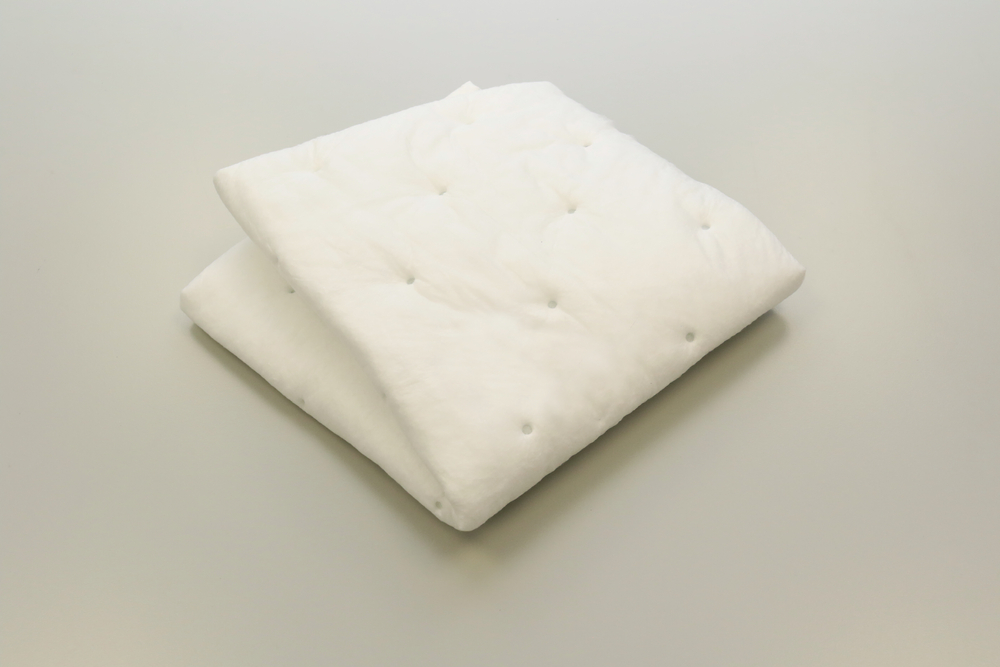
Oil spills are a common issue in workshops, factories, garages, boats, and industrial sites. Even a small leak can create safety risks, damage surfaces, and harm the environment. This is where an oil absorbent pad becomes an essential solution. These pads are designed to soak up oil quickly and help keep work areas clean and safe.
In this guide, you will learn what an oil absorbent pad is, how oil only absorbent pads work, where they are used, and how to choose the right option for your needs. This blog is written in simple language to make it easy to understand and apply.
What Is an Oil Absorbent Pad
An oil absorbent pad is a specially made sheet that absorbs oil and petroleum based liquids. It is commonly used to clean spills, leaks, and drips. These pads are made from materials that attract oil while resisting water in many cases.
Oil absorbent pads are lightweight and easy to place. You can lay them directly over a spill or under machines where leaks are expected. They help reduce cleanup time and improve workplace safety.
Understanding Oil Only Absorbent Pads
Oil only absorbent pads are designed to absorb oil without soaking up water. This feature makes them useful in areas where oil and water are present together. For example, they are widely used on boats, docks, and near water drains.
Oil only absorbent pads float on water while absorbing oil from the surface. This helps prevent oil from spreading and reaching sensitive areas. These pads are often used in marine, industrial, and outdoor environments.
How Oil Absorbent Pads Work
Oil absorbent pads work through their fiber structure. The fibers attract oil and pull it into the pad. Once absorbed, the oil stays locked inside the pad until disposal.
Oil only absorbent pads have a special treatment that repels water. This allows them to remain effective even in wet conditions. Because of this design, they are ideal for outdoor use and water based applications.
Common Uses of Oil Absorbent Pad Products
Oil absorbent pad products are used across many industries. Some of the most common uses include:
Industrial Facilities
Factories and plants often deal with oil leaks from machines. Oil absorbent pads are placed near equipment to catch drips and prevent slippery floors.
Automotive Workshops
Garages use oil absorbent pads during oil changes and repairs. They help keep workspaces clean and reduce the risk of accidents.
Marine and Boating Areas
Oil only absorbent pads are widely used on boats and near docks. They absorb fuel and oil spills while floating on water.
Warehouses and Storage Areas
Oil drums and containers can leak over time. Placing oil absorbent pads underneath helps control spills before they spread.
Emergency Spill Response
In case of sudden oil leaks, oil absorbent pads provide quick and simple cleanup. They are often part of spill response kits.
Benefits of Using Oil Only Absorbent Pads
Oil only absorbent pads offer many practical benefits for businesses and individuals.
One major benefit is water resistance. These pads do not absorb water, which makes them efficient in wet environments. This also means less waste since the pad focuses only on oil.
Another benefit is ease of use. You do not need special tools or training. Just place the pad on the spill and remove it once saturated.
Oil only absorbent pads also help with environmental protection. By absorbing oil quickly, they reduce the chance of oil entering drains or water bodies.
Difference Between Oil Absorbent Pad and General Absorbent Pads
Not all absorbent pads are the same. A general absorbent pad can soak up water, oil, and other liquids. While this can be useful indoors, it may not be ideal in wet conditions.
An oil absorbent pad focuses on oil based liquids. Oil only absorbent pads go a step further by rejecting water. This makes them more effective for outdoor and marine use.
Choosing the right type depends on your working environment and the type of spill you expect.
How to Choose the Right Oil Absorbent Pad
Selecting the right oil absorbent pad is important for effective spill control. Here are a few factors to consider.
First, think about the location. If the area is dry, a standard oil absorbent pad may be enough. If water is present, oil only absorbent pads are a better choice.
Second, consider the volume of oil. For small leaks, thin pads work well. For heavy spills, thicker and high capacity pads are recommended.
Third, check disposal requirements. Used oil absorbent pads must be disposed of according to local waste rules. Always follow safety guidelines.
Proper Use of Oil Only Absorbent Pads
Using oil only absorbent pads correctly helps you get the best results.
Place the pad directly over the oil spill or under the leak source. Allow it to absorb the oil fully. Once the pad is saturated, remove it carefully to avoid dripping.
Do not reuse pads that are fully soaked. Proper disposal is important to maintain safety and compliance.
In outdoor areas, ensure the pad is secured if there is wind or water movement.
Storage and Handling Tips
Store oil absorbent pad products in a clean and dry area. Keep them easily accessible for quick response during spills.
Avoid placing heavy objects on stored pads, as this can reduce their absorption ability. Always check pads before use to ensure they are in good condition.
Training staff on how to use oil only absorbent pads can also improve spill response time.
Environmental and Safety Importance
Oil spills can cause serious environmental damage. Using oil absorbent pads helps reduce this risk. They prevent oil from spreading and reaching soil or water systems.
From a safety point of view, oil on floors creates slip hazards. Oil absorbent pads reduce accidents and help maintain a safe working environment.
Many industries now consider oil only absorbent pads a basic safety requirement rather than an optional product.
Industries That Rely on Oil Absorbent Pads
Many industries depend on oil absorbent pad solutions daily.
Manufacturing plants use them around heavy machinery. Marine industries rely on oil only absorbent pads to protect water areas. Transport companies keep them in vehicles for emergency spill control.
Construction sites, power plants, and service stations also benefit from using oil absorbent pads regularly.
Cost Efficiency of Oil Only Absorbent Pads
Oil only absorbent pads are a cost effective solution in the long run. By preventing oil spread, they reduce cleanup costs and downtime.
They also help avoid fines related to environmental damage. Investing in quality oil absorbent pad products supports both safety and compliance.
Final Thoughts
An oil absorbent pad is a simple but effective tool for managing oil spills. Oil only absorbent pads provide added value by rejecting water and working well in wet conditions. Whether you operate an industrial site, a garage, or a marine facility, these pads help maintain cleanliness, safety, and environmental care.
Choosing the right oil absorbent pad and using it properly can make a big difference in spill control. With proper planning and storage, oil only absorbent pads become a reliable part of any spill response strategy.