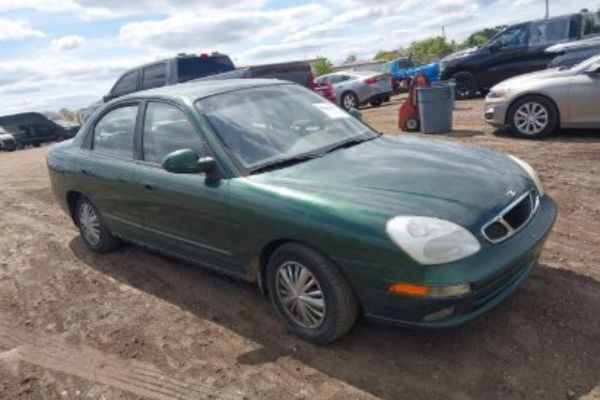
Let’s be honest—most Australians have been there. You’ve got an old banger sitting in your driveway or garage, taking up valuable space and attracting suspicious looks from the neighbours. The engine’s blown, the rego’s expired, and worst of all, you can’t find the pink slip anywhere. You’d love to get rid of it, but without proper documentation, you’re stuck. Or are you?
Here’s the thing: the idea that you need a pink slip to sell your vehicle is one of the biggest myths circulating around car ownership in New South Wales. Thousands of Sydney residents are leaving money on the table every year because they believe their undocumented vehicles are worthless. The reality is quite different. The market for scrap cars for cash Sydney has evolved significantly, and professional car removal Sydney companies have streamlined processes that make selling vehicles without complete paperwork not just possible, but surprisingly straightforward.
This shift represents a fundamental change in how we think about end-of-life vehicles. Rather than viewing your old car as a liability that requires expensive towing and disposal fees, it’s time to recognise it for what it actually is: a commodity with real value. The steel, aluminium, copper, and other materials in your vehicle are worth money, regardless of whether it runs or whether you’ve got every piece of documentation filed away perfectly.
Understanding the Pink Slip Confusion
The confusion around pink slips stems from their role in vehicle registration and roadworthiness certification. In NSW, a pink slip is an official Safety Check Certificate that confirms your vehicle meets minimum safety standards. You need one to register or renew registration on a vehicle you intend to drive on public roads.
But here’s what most people don’t realise: if you’re scrapping a vehicle—not registering it—the requirements are entirely different.
When you’re selling to a licensed car removal or recycling company, they’re not putting your vehicle back on the road. They’re dismantling it for parts or recycling the materials. The regulatory framework governing these transactions focuses on proof of ownership, not roadworthiness. This is a critical distinction that opens up possibilities for thousands of vehicle owners who thought their options were limited.
What You Actually Need to Sell Without a Pink Slip
While you might not need a pink slip, you can’t just roll up with any old car and expect to walk away with cash. Legitimate buyers need to verify you’re the legal owner to prevent theft and fraud. Here’s what typically matters:
Proof of Ownership
Vehicle registration papers remain the gold standard for proving ownership. Even if your registration has expired—which it probably has if the car’s been sitting unused—those papers still demonstrate you’re the registered owner. Many buyers will accept registration documents from several years back.
Photo Identification
You’ll need to present valid ID that matches the name on the vehicle’s registration documents. A driver’s licence is ideal, but other government-issued photo ID works too. This straightforward requirement protects both parties in the transaction.
Vehicle Identification Number (VIN)
Buyers will verify the VIN matches your documentation. This 17-character code, typically found on the dashboard near the windscreen or on the driver’s side door frame, serves as your vehicle’s unique fingerprint. It allows buyers to check the vehicle’s history and confirm there are no outstanding finance or theft reports.
The Legal Framework Supporting Documentation-Light Sales
NSW regulations have adapted to recognise that end-of-life vehicles often lack complete documentation. The Environmental Protection Authority and Service NSW have established clear pathways for disposing of vehicles that won’t return to the road.
Licensed motor vehicle recyclers and auto dismantlers operate under specific guidelines that acknowledge the reality of vehicle ownership. They’re required to conduct due diligence, but they’re also authorised to accept vehicles with limited documentation when appropriate identity and ownership checks have been completed.
This regulatory flexibility serves a public good. Abandoned and derelict vehicles represent environmental hazards, leaking fluids into soil and waterways while creating eyesores in neighbourhoods. By making the disposal process more accessible, authorities encourage responsible recycling rather than illegal dumping.
Why Scrap Cars Have Value Beyond Their Running Condition
The average car contains roughly 900 kilograms of steel, 90 kilograms of aluminium, and 45 kilograms of copper and other valuable metals. When commodity prices are strong, even a completely non-functional vehicle can be worth several hundred dollars in raw materials alone.
Beyond bulk metals, vehicles contain numerous components that retain value:
Modern catalytic converters contain platinum, palladium, and rhodium—precious metals that have seen dramatic price increases. A single catalytic converter from certain models can be worth hundreds of dollars. Batteries, regardless of condition, contain lead that’s easily recyclable. Even a dead battery has scrap value.
Working components represent another revenue stream for dismantlers. That transmission you replaced three years ago? The alternator that worked fine until last month? These parts can be refurbished and resold, extending their useful life and reducing the environmental impact of manufacturing new components.
Tyres, provided they’re not completely bald, can be retreaded or recycled into products like playground surfaces and road paving materials. Even automotive glass has recycling value, though it requires specialised processing.
The Sydney Market Advantage
Sydney’s size and economic activity create a uniquely favourable market for selling scrap vehicles. With a metropolitan population exceeding five million and hundreds of thousands of vehicles being replaced annually, the city supports a robust network of car removal services, auto dismantlers, and metal recyclers.
Competition among buyers works in sellers’ favour. Multiple companies operating across Greater Sydney means you can obtain quotes and compare offers. The sheer volume of transactions has driven these businesses to streamline their processes, making same-day removal and instant payment standard rather than exceptional.
Geography plays a role too. Sydney’s port facilities make it economically viable to export scrap metal to international markets, particularly in Asia where demand for recycled steel remains strong. This export market supports higher local scrap prices than you’d find in more isolated regions.
The Typical Sales Process Demystified
Understanding what happens when you contact a car removal service helps remove the anxiety from the transaction.
Initial Contact and Quote
You provide basic information about your vehicle: make, model, year, and condition. Be honest—experienced buyers can tell immediately if you’ve exaggerated the vehicle’s state. Based on this information, they’ll provide an initial quote. Many companies offer online forms or quick phone assessments.
Documentation Verification
Once you accept a quote, they’ll arrange collection and verify your documentation. This is when you’ll need to provide proof of ownership and identification. Reputable companies understand that paperwork might be incomplete and will work with what you have, provided it’s sufficient to establish legitimate ownership.
Vehicle Inspection
When the tow truck arrives, the driver will conduct a quick inspection to confirm the vehicle matches your description. Significant discrepancies might result in a revised offer, but if you’ve been accurate, the quoted price should hold.
Payment and Removal
Payment typically happens immediately upon vehicle collection. Cash, bank transfer, or cheque—payment methods vary by company. The vehicle is loaded and removed from your property, often within an hour of the truck’s arrival. You’ll receive a receipt and, importantly, a notice of disposal that you can use to cancel your registration and avoid future registration renewal notices.
Maximising Your Return
While a scrap vehicle won’t make you rich, you can take steps to optimise what you receive.
Get Multiple Quotes
Don’t accept the first offer. Contact three to five different services. Price variations of $100-300 between buyers aren’t uncommon, particularly for vehicles with valuable components.
Remove Personal Items But Nothing Else
Clean out personal belongings, but don’t remove vehicle components thinking you’ll sell them separately unless you genuinely know their value. Buyers prefer complete vehicles and may reduce offers for vehicles missing major components.
Timing Can Matter
Scrap metal prices fluctuate based on global commodity markets. While you probably don’t want to store a dead vehicle for months waiting for prices to rise, if you have flexibility, checking current scrap metal prices might inform when you sell.
Be Accurate and Honest
Provide truthful information about your vehicle’s condition. Exaggerating leads to disappointment when the actual inspection reveals problems, and experienced buyers appreciate straightforward sellers.
Environmental Benefits You’re Contributing To
Choosing professional vehicle recycling rather than abandonment delivers measurable environmental benefits. Modern vehicle recycling operations recover approximately 95% of a vehicle’s materials for reuse.
Metals are melted down and reformed, requiring significantly less energy than mining and refining virgin materials. Plastics are sorted and recycled into new products. Fluids—motor oil, coolant, brake fluid—are collected and either recycled or disposed of properly rather than contaminating soil and groundwater.
This isn’t greenwashing. The Australian automotive recycling industry processes over 500,000 vehicles annually, recovering roughly 450,000 tonnes of ferrous metals and 50,000 tonnes of non-ferrous metals. That represents genuine material recovery that reduces mining impacts and manufacturing energy consumption.
When you sell your scrap vehicle to a legitimate recycler, you’re participating in a circular economy that extends far beyond your immediate transaction.
Red Flags and Scams to Avoid
Unfortunately, the ease of selling vehicles without complete documentation has attracted some dodgy operators. Protect yourself by watching for warning signs.
Legitimate companies provide upfront quotes and honour them unless your vehicle description was materially inaccurate. Be wary of operators who dramatically reduce offers upon inspection based on vague claims about condition.
Licensed recyclers should provide receipts and disposal documentation. If a buyer resists providing paperwork, walk away. You need that documentation to properly cancel your registration and protect yourself from liability.
Extremely high offers that seem too good to be true usually are. If one quote dramatically exceeds all others, investigate carefully. It might be a bait-and-switch tactic where the buyer arrives and claims the vehicle isn’t worth the quoted amount.
Check online reviews and business credentials. Established companies have digital footprints, customer feedback, and proper licensing. A buyer who can’t provide a business address or whose company name yields no search results deserves scepticism.
Special Situations and Considerations
Inherited Vehicles
Dealing with a deceased estate vehicle requires additional documentation, typically letters of administration or probate documents establishing you’re authorised to dispose of estate assets. Reputable buyers understand these situations and can guide you through the process.
Financed Vehicles
If your vehicle still has outstanding finance, legally you cannot sell it without the lender’s consent. Contact your finance company first to discuss settlement options or obtain permission for disposal.
Jointly Owned Vehicles
When registration shows multiple owners, typically all owners need to consent to the sale. Bring documentation showing all owners agree to the disposal.
The Future of Vehicle Recycling
Technological advances are making vehicle recycling increasingly sophisticated. Automated dismantling systems can separate materials more efficiently. Advanced sorting technologies recover plastics and composites that previously went to landfill.
Electric vehicles present new challenges and opportunities. While they contain less valuable scrap metal, their batteries contain lithium, cobalt, and other materials worth recovering. The industry is adapting recycling processes to handle these new vehicle types.
Regulatory pressure toward circular economy principles will likely make vehicle recycling even more streamlined. Expect continued improvements in documentation processes, payment options, and environmental outcomes.
Taking Action
If you’ve got an old vehicle sitting unused because you thought the missing pink slip made it unsellable, you now know better. The process is simpler than you imagined, the documentation requirements are manageable, and the money you’ll receive beats paying for endless storage or council removal fees.
Start by gathering whatever documentation you have. Locate your expired registration papers and your ID. Make note of your vehicle’s VIN, make, model, and year. Take an honest assessment of its condition.
Then reach out to several reputable car removal services operating in Sydney. Describe your situation accurately, mention you don’t have a current pink slip, and obtain quotes. Compare offers, check reviews, and select a buyer you’re comfortable with.
Within days—often within hours—that eyesore can be gone, your driveway reclaimed, and cash in your hand. The pink slip you thought was essential turns out to be the least important part of the whole transaction.
Your old car has been waiting long enough. It’s time to turn that liability into cash and move forward without that dead weight anchoring you down.