If you’ve ever searched for a Nitric Boost Ultra, you’ve probably seen the same promises repeated everywhere: better circulation, stronger workouts, more stamina, and improved vitality. The truth is, nitric oxide (NO) is a real, important molecule in the body—especially for blood vessel function and healthy blood flow—but not every product (or marketing claim) deserves your trust.
This in-depth guide breaks down Nitric Boost Ultra in a practical, science-aware way: what nitric oxide does, what ingredients are commonly used to support it, what you should realistically expect, who it may be best for, and how to use it responsibly.
Why Nitric Boost Ultra (In Simple Terms)
Nitric oxide is a signaling molecule your body produces to help relax and widen blood vessels (vasodilation). When blood vessels widen, circulation can become more efficient, which can support:
- Healthy blood flow and circulation
- Workout performance and muscle pumps (better delivery of oxygen/nutrients during exercise)
- Cardiovascular support (in the context of overall lifestyle)
- Energy and stamina (often indirectly, via circulation and exercise capacity)
Nitric oxide is involved in many processes, and researchers have studied several dietary ingredients that can support NO pathways—especially L-arginine, L-citrulline, and dietary nitrates (like beetroot).
What Is Nitric Boost Ultra?
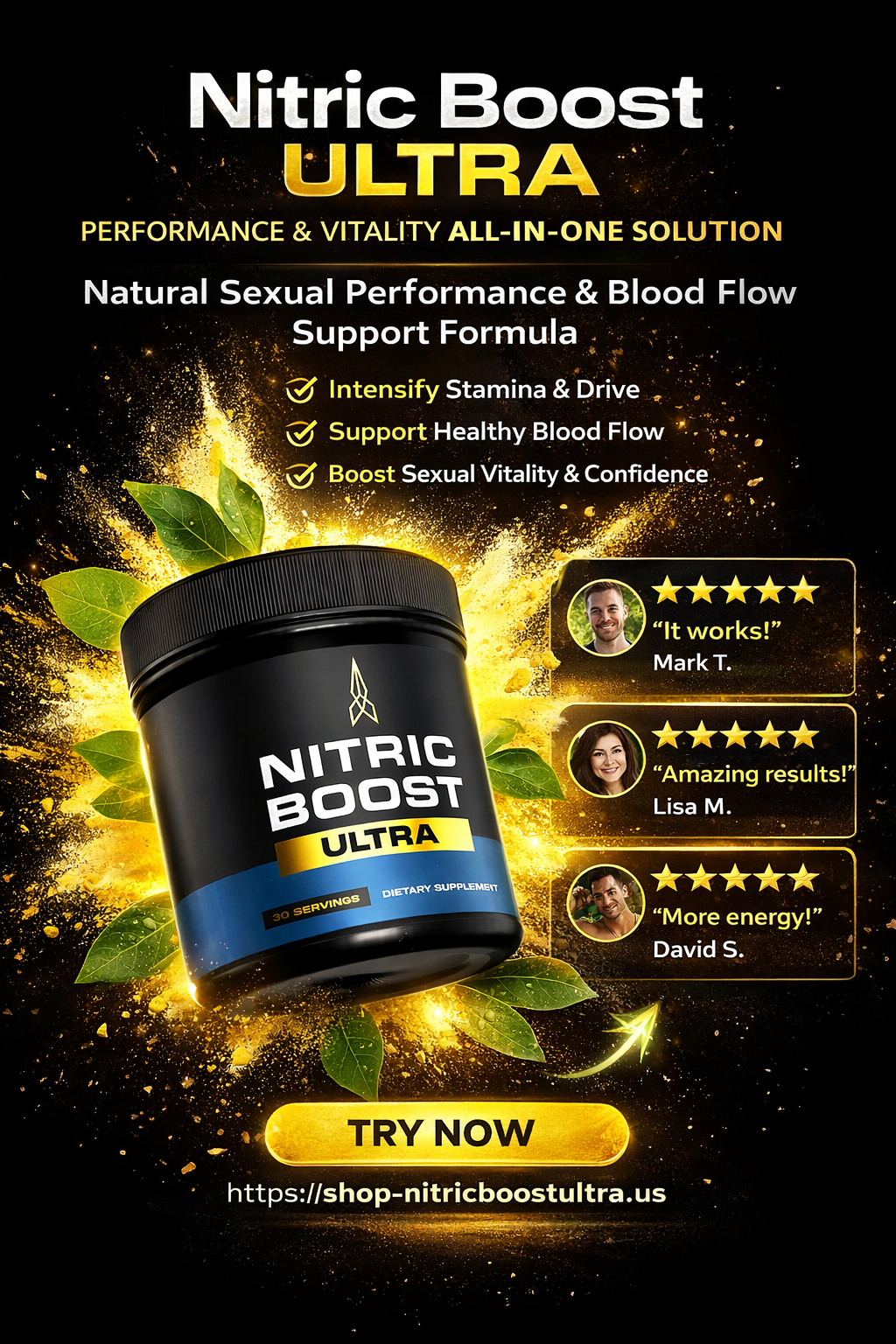
Nitric Boost Ultra is marketed as a powder nitric oxide supplement designed to support nitric oxide levels in the body. A commonly listed core includes L-Arginine, L-Citrulline, and Beetroot Powder, along with additional supportive ingredients in some versions/formulations.
It’s positioned for people who want support for:
- Circulation / blood flow
- Workout stamina and endurance
- Overall vitality
A key point: supplements can support normal body function, but they are not a substitute for medical treatment, and claims around curing or treating diseases should be treated cautiously.
How Nitric Boost Ultra “Works” (Mechanisms, Not Magic)
Most nitric oxide boosters work through one or more of these routes:
1) The L-Arginine → Nitric Oxide Pathway
L-arginine is an amino acid the body can use to produce nitric oxide through nitric oxide synthase (NOS) pathways. It’s one of the most common NO-related supplement ingredients.
2) The L-Citrulline → L-Arginine “Recycling” Pathway
L-citrulline is often discussed alongside arginine because the body can convert citrulline into arginine, potentially supporting more sustained arginine availability in the bloodstream. Reviews of NO-precursor supplementation commonly include citrulline/citrulline malate among the best-studied options.
3) Dietary Nitrates (Beetroot)
Beetroot contains nitrates, which can be converted in the body into nitric oxide via a separate pathway (nitrate → nitrite → nitric oxide). Beet-derived nitrate supplements have been researched for performance-related outcomes, including endurance-style metrics.
In short: A formula that combines arginine + citrulline + beetroot is essentially stacking multiple NO-support routes in one place.
Key Ingredients Often Associated With Nitric Boost Ultra
L-Arginine
Why it’s included: NO production support (direct precursor route).
What people use it for: circulation support, exercise performance, “pump” feeling.
Reality check: Individual response varies. Some people feel noticeable effects, others feel very little—especially if doses are low, timing is off, or lifestyle factors (sleep, hydration, training) aren’t solid. Scientific reviews still list arginine among common NO precursors used in supplements.
L-Citrulline
Why it’s included: Supports arginine availability and NO precursor support.
What people use it for: endurance, reduced fatigue perception, workout pumps.
This ingredient is consistently discussed in reviews of NO-support supplementation for training contexts.
Beetroot Powder
Why it’s included: dietary nitrate source.
What people use it for: endurance support and blood flow-related performance.
Beet-based nitrate supplementation has been examined in sports performance contexts, including cycling-related performance indicators in at least one controlled study design.
Other Botanicals (May Vary by Listing / Version)
Some listings mention additional botanicals (for example, certain retailer descriptions mention herbal components alongside amino acids). Because exact formulas can vary by seller and region, always verify the label on the product you’re buying.
Benefits People Commonly Look For (And What’s Realistic)
1) “Better Blood Flow” and Circulation Support
This is the core reason many people look for a blood flow supplement. Supporting NO pathways can contribute to healthy vessel function and circulation as part of a broader healthy routine.
What to expect:
- Some people notice a mild “warmth,” better workout pumps, or improved exercise tolerance.
- Effects are often more noticeable when combined with training, hydration, and consistent use.
2) Pre-Workout Pump and Performance Support
If you search pre workout pump or nitric oxide booster pre workout, you’ll see citrulline and beetroot everywhere—and that’s because they’re popular in the performance supplement world and show up repeatedly in scientific reviews of NO-precursor supplements.
What to expect:
- Potentially better pumps during resistance training
- Possibly improved endurance-style performance for some users
3) Energy and Stamina
A lot of “energy” claims are really about better training output and less fatigue perception, not stimulant-like energy (like caffeine). If Nitric Boost Ultra is stim-free, it’s more about circulation/performance support than a jittery “kick.”
What to expect:
- Subtle improvement in workout stamina for some
- Not the same feeling as caffeine-based products
4) Cardiovascular Wellness (Supportive, Not Treating)
You’ll see claims around blood pressure and heart health with NO-related supplements. There is research exploring NO supplementation and blood pressure in certain contexts, but you should not treat a supplement as a replacement for medical care.
Who Might Consider Nitric Boost Ultra?
This kind of nitric oxide supplement tends to appeal to:
- Gym-goers who want a stronger pump without stimulants
- People focused on circulation support as part of a wellness routine
- Endurance exercisers who want a beetroot/citrulline-style approach
- Adults who want a daily routine supplement to support training consistency
That said, it’s not automatically “for everyone.” Which brings us to safety.
Safety, Side Effects, and Who Should Be Careful
Even “natural” supplements can have side effects or interactions.
Possible issues people report with NO-support ingredients can include:
- Stomach discomfort
- Headaches
- Lightheadedness (especially if blood pressure drops too low)
- Flushing (more common with certain ingredients like niacin if included)
A product document discussing Nitric Boost Ultra notes possible stomach issues and blood pressure-related concerns and advises caution for people with certain conditions or medications.
Be especially careful if you:
- Have low blood pressure
- Take blood pressure medication
- Take nitrates (often prescribed for chest pain)
- Use PDE-5 inhibitors (for erectile dysfunction) — combining vasodilatory agents can be risky
- Have significant cardiovascular conditions (talk to a clinician first)
If you’re unsure, it’s worth asking a healthcare professional—especially if you’re combining multiple supplements.
How to Take Nitric Boost Ultra (Practical Tips)
Most powdered NO boosters are taken daily and/or pre-workout.
General best practices (not medical advice):
- Start with the label dosage. Don’t double scoop on day one.
- Timing:
- Pre-workout: often 30–60 minutes before training
- Daily wellness: same time each day can help consistency
- Hydration matters. NO support + dehydration = disappointing results.
- Consistency beats randomness. Some people notice better results after regular use rather than occasional scoops.
Always follow the product label on your exact jar.
How to Choose a Good Nitric Boost Ultra (Checklist)
If you’re comparing Nitric Boost Ultra to other options, use this checklist:
✅ Transparent label
You want to clearly see:
- Amounts of L-citrulline / L-arginine
- Amount of beetroot (or nitrate standardization)
✅ Evidence-aligned ingredients
Commonly researched NO support ingredients include:
- L-citrulline (or citrulline malate)
- L-arginine
- Dietary nitrates (beetroot)
✅ Manufacturing / quality signals
Look for:
- GMP manufacturing
- Third-party testing (when available)
- Reasonable claims (no “cure all” language)
✅ Fits your goal
- For pumps: citrulline-focused formulas
- For endurance: beet/nitrate emphasis
- For stim-free: avoid caffeine-heavy blends
FAQs About Nitric Boost Ultra
Is Nitric Boost Ultra a stimulant?
Most Nitric Boost Ultra are not stimulants unless they add caffeine or similar ingredients. Many people choose NO boosters specifically for stim-free pump and circulation support.
How fast does a Nitric Boost Ultra supplement work?
Some people notice a pump effect in the first few uses (especially pre-workout). Others notice changes only after consistent daily use. Individual response depends on training status, diet, hydration, and dosage.
Can I “Nitric Boost Ultra naturally” without supplements?
Yes. Lifestyle strategies include:
- Regular exercise (especially aerobic activity)
- Nitrate-rich foods (beetroot, arugula, spinach)
- Adequate sleep and stress management
Supplements are meant to complement, not replace, these fundamentals.
Does Nitric Boost Ultra really help performance?
Beet-derived nitrate supplementation has been studied in exercise performance contexts, including endurance-related outcomes in controlled settings.