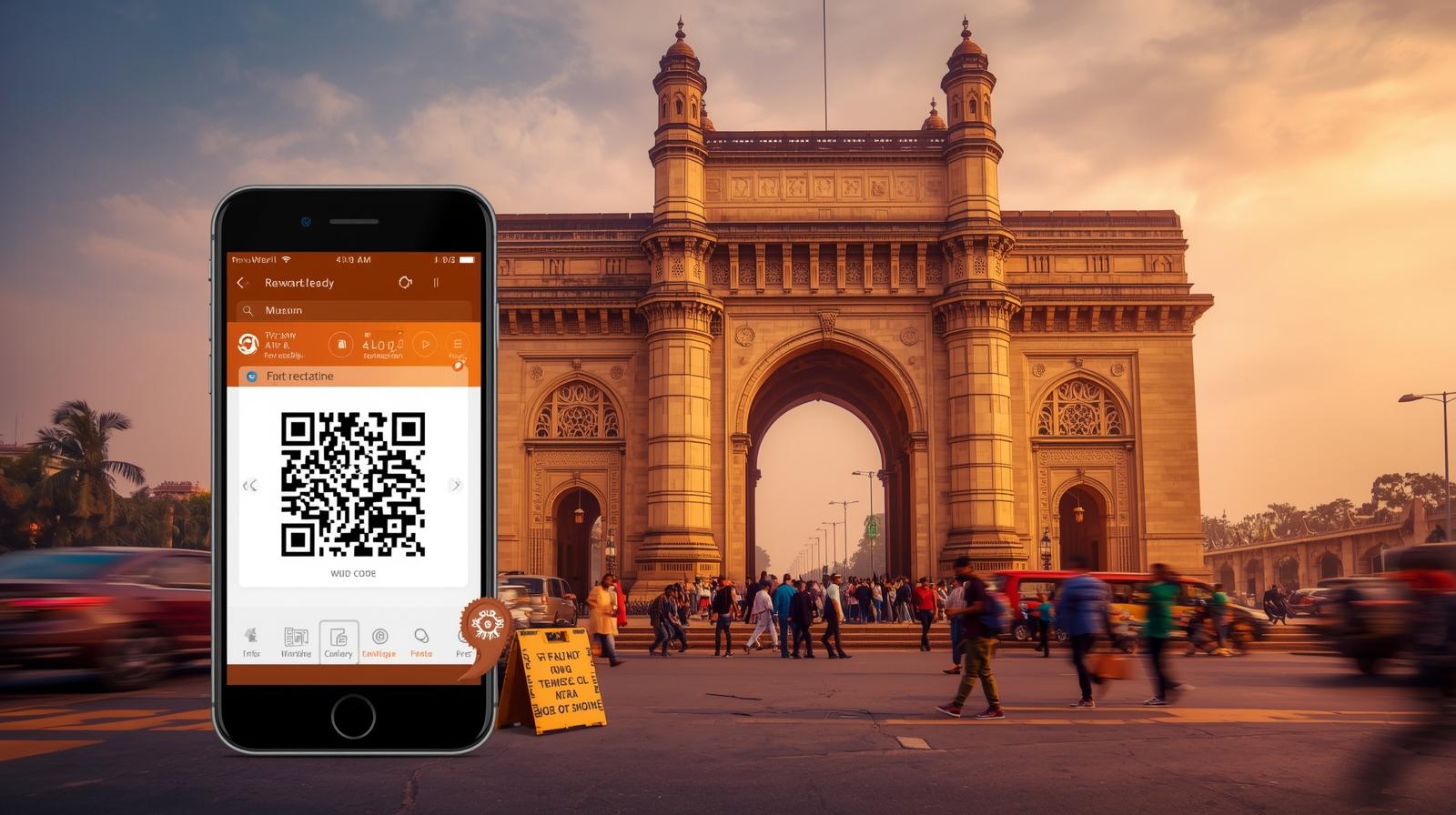
Museum leaders are treating data as a core asset in 2026—because it directly improves visitor flow, programming decisions, and revenue predictability. The fastest way to start is to connect ticketing, entry scans, and on-site behaviour signals into a single measurement framework, without collecting more personal information than necessary.
Why data matters today
Museums are moving from “best-guess” planning to data-driven operations, using analytics to understand visitor movement, dwell time, congestion points, and exhibit performance.
This shift is also being pushed by broader digitization across the cultural sector, where AI-enabled personalization and immersive experiences (AR/VR) are increasingly positioned as key trends for audience engagement.
At the same time, the museum ticketing platform market is projected to grow strongly through 2025–2033, driven by demand for contactless entry, mobile-first buying, and integrated analytics that support targeted marketing and operational efficiency.
Put simply: the institutions that measure well can adapt faster—and adaptation is what keeps attendance, memberships, and donor confidence stable.
What data to collect (and why)
A smart measurement plan starts by defining what decisions the museum wants to improve, then collecting only the data that supports those decisions, aligning with data minimisation principles often highlighted in museum-focused GDPR discussions. To keep it practical, build your collection model around a few reliable sources.
- Ticketing and admissions data: Date/time, ticket type, channel, discounts, group sizes, no-shows.
- Entry and capacity signals: Scans per entry point, timed-entry adherence, queue lengths.
- On-site movement patterns: Heat maps, dwell time, and common routes to identify bottlenecks and under-visited galleries.
- Program engagement: Event attendance, repeat visitation triggers, membership conversions.
- Marketing attribution: Campaign source → booking → visit completion (to understand which messages truly drive visits).
This is where museum ticketing software becomes more than “a checkout page”: it turns transactions into a clean dataset that can be joined with visit outcomes, so decisions are based on evidence rather than assumptions.
Mobile ticketing software that produces clean data
Mobile experiences are becoming normal for ticket buyers, and research on cultural ticket buyers shows broad familiarity with ticketing apps and sustained app usage on mobile devices. That behavioral shift matters because mobile-first purchase and mobile-first entry reduce manual steps—meaning fewer errors, better timestamps, and more reliable operational insight.
From scan to insight
When mobile ticketing software uses QR codes for entry, every scan can become a lightweight operational record (time, location, ticket type) that supports staffing plans and capacity management. When paired with timed entry rules, scan data also helps validate whether arrival patterns match the schedule you are selling.
A real-world example (without making it about vendors)
One example from India describes how the Museum of Art & Photography (MAP), Bengaluru, used EveryTicket’s digital ticketing solution and reported outcomes, including higher online ticket sales and reduced wait times through automated check-ins. Used responsibly, stories like this show how mobile-first entry can improve both visitor experience and the museum’s ability to understand demand patterns.
Turning data into better visits
Analytics becomes valuable when it changes what the visitor feels: shorter lines, clearer navigation, and programming that matches interest. In 2026, museums are increasingly using visitor analytics and flow tracking to spot congestion points, optimize layouts, and improve accessibility.
Personalization without being intrusive
Industry trend reporting frequently emphasizes personalization, tailoring routes, content, or offers based on visitor interests, often powered by AI-driven recommendations and adaptive guidance. Even without advanced AI, segmentation based on ticket type, visit frequency, and program preferences can help target communications in ways that feel useful rather than promotional.
Smarter scheduling and staffing
Movement analytics and people-counting approaches are commonly positioned as tools to support safety thresholds, staffing levels, and gallery operations in real time. In practice, this can inform decisions like extending hours for high-demand exhibitions, rebalancing front-of-house staffing, or adding micro-programming to draw attention to quieter zones.
Data governance and privacy that builds trust
Museums must balance insight with consent, security, and transparency, and museum-sector guidance often stresses that data collection should remain responsible and consensual. GDPR-oriented discussions also emphasize collecting data that is “adequate, relevant, and limited” to the stated purpose, and keeping data only as long as needed.
To keep governance workable (not theoretical), operationalize it:
- Publish plain-language explanations of what’s collected and why.
- Apply data minimization and retention limits by default.
- Use anonymized or privacy-first approaches where possible, especially for movement insights.
- Run periodic audits, so staff know where data enters, who can access it, and how it is protected.
Read More: How to Setup Ticketing Software for Museum?
A practical roadmap to start now
Digital ticketing market analysis highlights growing demand for integrated platforms that connect ticketing with CRM, scheduling, and analytics—often delivered as scalable cloud-based systems. A sensible rollout plan avoids “big-bang” transformations and focuses on measurable wins.
- Define 3–5 decisions you want data to improve (e.g., timed entry design, exhibit placement, membership conversion).
- Standardize data fields and tracking across channels (box office, web, partner sales).
- Implement mobile ticketing software for faster entry, cleaner timestamps, and fewer manual reconciliations.
- Build dashboards for weekly operations: peak hours, sell-through, no-shows, scan-to-entry timing.
- Use A/B testing in campaigns and pricing to link marketing to actual visits (not just clicks).
With the right measurement foundation and museum ticketing software that supports analytics-ready data, museums can turn everyday transactions into insights that strengthen planning, visitor satisfaction, and long-term sustainability.