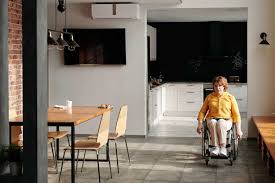
Modern housing design increasingly reflects how people live, move, and age within their homes. Many families now look for spaces that support comfort, independence, and safety for individuals with different abilities. This shift has brought greater attention to special accommodations for disabilities as a core design consideration rather than an afterthought. Homes that integrate accessibility features from the start tend to support daily routines more effectively. They also reduce the need for costly modifications later. As communities grow older and more diverse, inclusive design plays a practical role in improving the quality of life for residents, caregivers, and professionals working in support services.
Understanding Accessibility In Modern Home Design
Accessible home design focuses on creating spaces that people with physical, sensory, or cognitive limitations can use safely and comfortably. Designers increasingly align these homes with everyday living needs instead of clinical standards. This approach supports independence while maintaining a contemporary look. Homes designed with special accommodations for disabilities often improve usability for all residents. Children, older adults, and cases involving temporary injuries also benefit from thoughtful layouts.
Key Principles Shaping Inclusive Homes
Several principles guide accessible residential design today. These principles ensure homes remain functional without feeling restrictive.
Universal Design
Universal design ensures spaces remain usable for people with varying abilities without requiring adaptation. Designers use wider circulation areas, intuitive layouts, and flexible fixtures. These choices reduce physical strain and simplify movement. Homes that follow universal design principles often suit multigenerational households well.
Visitability And Adaptability
Visitability ensures guests with mobility challenges can enter and move through the main living areas easily. Adaptable design allows spaces to change as needs evolve. Adjustable benchtops and removable cabinetry panels support this flexibility. Such features help homeowners stay longer in familiar environments.
Essential Structural Accommodations
Physical layout choices strongly influence daily comfort and safety. Modern homes integrate these features discreetly.
Step-Free Access And Circulation
Step-free entrances remove barriers at entry points. Gently sloped pathways replace stairs where possible. Wider doorways and hallways support wheelchair and walker access. These elements reduce fall risks and improve navigation throughout the home.
Open Layouts With Clear Zoning
Open-plan layouts minimise tight corners and obstacles. Clear zoning between living, dining, and kitchen areas supports orientation. Residents move more easily between spaces when visual lines remain unobstructed. This design approach supports both accessibility and modern aesthetics.
Functional Interior Features
Interior details often determine whether a home feels supportive or restrictive.
Accessible Bathrooms
Bathrooms frequently include roll-in showers, slip-resistant flooring, and well-placed grab rails. Lever-style taps simplify use for limited hand strength. Adequate turning space improves comfort and safety. These adjustments reflect practical special accommodations for disabilities without compromising style.
Kitchens Designed For Ease
Accessible kitchens focus on reach, visibility, and control. Lowered benchtops and pull-out shelving reduce strain. Side-opening ovens improve safety. Good lighting supports users with visual impairments. These features also appeal to homeowners who value efficiency.
Smart Home Technology And Accessibility
Technology increasingly supports independent living within modern homes. Voice-controlled systems manage lighting, temperature, and security. Automated doors and blinds reduce physical effort. Visual alerts and auditory cues support sensory needs. Smart features often benefit professionals in aged care jobs in Adelaide by simplifying monitoring and daily support tasks.
The Link Between Housing And Care Professions
Accessible homes often align closely with care services and workforce needs. Housing that supports assisted living reduces caregiver strain. Professionals in aged care jobs in Adelaide frequently work within residential settings. Homes designed with accessibility in mind allow carers to focus on quality support rather than physical barriers. This alignment improves efficiency and safety for everyone involved.
Balancing Accessibility And Aesthetics
Modern accessible homes no longer resemble institutional spaces. Designers integrate accessibility into clean lines and neutral palettes. Fixtures blend seamlessly with the overall interiors. Furniture selections prioritise comfort without sacrificing appearance. This balance helps homeowners feel confident about long-term living arrangements while maintaining visual appeal.
Community Impact And Future Direction
Demand for accessible housing continues to grow across urban and suburban areas. As populations age, accommodations for people with disabilities increasingly influence property values and planning decisions. Developers now consider accessibility a standard feature rather than a niche requirement. This shift also supports employment growth in care sectors, including aged care jobs in Adelaide where accessible environments improve service delivery and worker wellbeing.
Conclusion
Homes designed with accessibility in mind reflect practical planning rather than specialised needs alone. When designers incorporate accommodations for people with disabilities, they create spaces that adapt to changing life stages. These homes support independence, reduce risks, and simplify care routines. They also strengthen connections between housing and support services, including aged care jobs in Adelaide. As inclusive design becomes more common, modern homes continue to offer comfort, dignity, and flexibility. This approach benefits residents, caregivers, and communities alike, while setting a clear direction for future residential development.