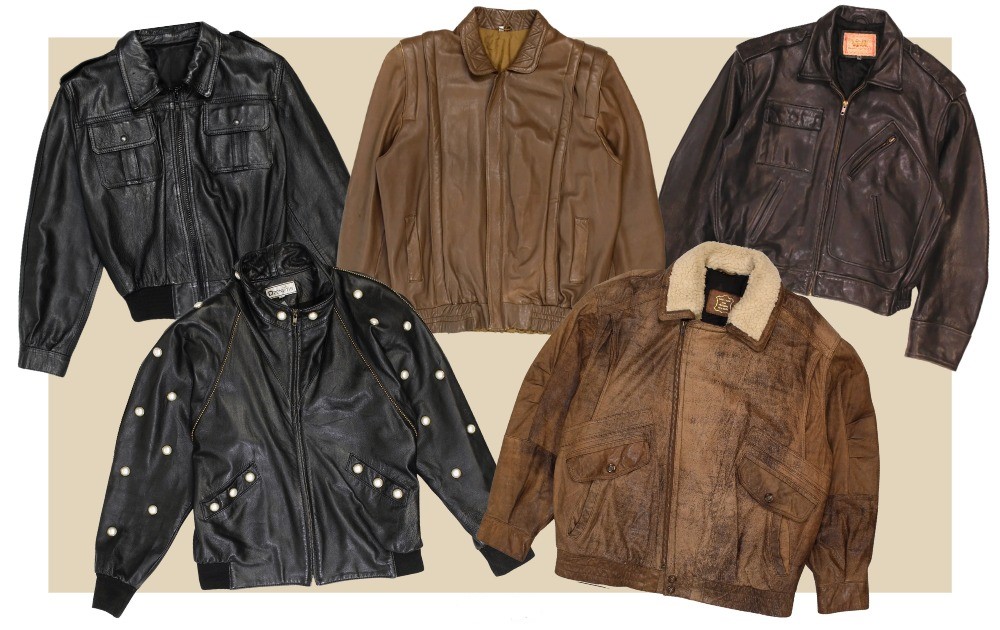
When it comes to shopping for vintage outerwear, the excitement can sometimes make you confused. There’s nothing like discovering the ideal jacket or coat that has a lot of history and style to it. Vintage outerwear, like a classic bomber jacket or a warm wool overcoat, has a certain style that modern clothing just can’t match. If you want that classic and vintage piece, you can trust AU LeatherX, which is recognized for its classic designs. But before having one, there are some common blunders to look at, which individuals make when they buy vintage items. Let’s have a look at the best ones and how to stay away from them.
Why Buying Vintage Outerwear Can Be Tricky
Vintage shopping is like a treasure hunt. There is nothing like the joy of finding one-of-a-kind things that have character and style. But it’s also simple to get caught up in the process and make choices you might regret later. Men’s vintage brown leather jackets can be hard to deal with since it has a history of wear and tear and a little bit of mystery. It’s exciting to uncover a unique antique piece, but there are a few things you should keep in mind to make sure you’re making the greatest pick for your closet and your pocketbook.
1. Failing to Verify Authenticity
Why It’s Important:
When you buy vintage outerwear, especially online, it’s really important that it’s real and authentic. There is nothing worse than buying a “vintage” leather jacket just to find out that it is a recent copy that doesn’t live up to the hype. This can not only be disappointing, but it could also mean you squander money on something that isn’t actually vintage.
What To Look For:
Tags & Labels: Real old things will usually have a tag or label that is different from other things. Look for brand names or logo designs that were popular a long time ago.
Stitching & Craftsmanship: Look for seams that are hand-stitched, sturdy threading, and unique finishing touches on vintage outerwear.
Material & Feel: Real historical leather, for example, will feel a little different than synthetic leather created today. It has more texture, with clear wrinkles, and it often smells like real leather.
2. Not Considering the Fit
Why Fit Matters:
Sizes from the past can be very different. Depending on the time period, sizes may be greater or smaller than they are now. You don’t want to buy a jacket that looks fine on the hanger but doesn’t fit right when you wear it.
How To Ensure A Good Fit:
Always Measure: Don’t just trust size tags, as they may not be accurate for today’s sizes. To make sure it fits well, measure your chest, waist, and sleeve length.
- Try Before You Buy: If possible, always try on the jacket. Vintage outerwear has been around for a long time, and the textiles may have stretched or shrunk.
- Consider Alterations: If you find a great piece but it doesn’t fit just right, don’t stress. A skillful tailor can do amazing things with old coats.
3. Ignoring Fabric and Material Quality
Why Material Quality Is Key:
The fabrics used in vintage pieces are some of their greatest qualities. They are rich and last a long time. A quality wool coat or heavy leather jacket can last a lifetime if you take care of it. On the other hand, things that are poorly made might not last as long, especially if they’ve been worn and washed a lot before.
What To Look For:
- Leather: Look for leather that has a natural grain and feels soft but strong. Don’t get jackets that feel like plastic.
- Wool & Tweed: Check your jacket properly for any thin areas of wool or tweed, or any holes. These may signify wear.
- Faux Fabrics: A lot of vintage clothing, particularly from the 1970s and 1980s, may have faux fabrics in them. Always look at the labels and know what you are buying.
4. Overlooking the Condition of the Item
The Impact of Condition:
Certain vintage outerwear and many cocked coot-wearers may be worn and damaged as part of their allure. But even if the item is very flawed, like broken zippers, torn linings, worn patches, etc., it can be a deterrent to the overall appeal and functionality of the item.
What to Check For:
- Visible Damage: Review and check properly for the zippers, buttons, and stitching to ensure that none of them are broken. It’s likely you won’t want to buy a jacket that has loose threads, broken hardware, etc.
- Stains & Discoloration: Stuff, leather in particular, is going to get a little discolored as it ages, but large stains or fading may be a deal breaker.
- Odor: Vintage things, especially leather, can occasionally keep smells. Before you buy, always smell the piece.
5. Not Researching the Brand or Designer
Why Brand Research Matters:
One of the benefits of buying antique outerwear is that you could be able to invest in designer pieces. Some old brands are very popular now, including Schott NYC’s famous antique leather jackets and Levi’s classic bomber jackets. You should know how much the piece is worth if you’re spending a lot for it.
What To Do:
- Research the Designer: Spend some time researching the brand. Some vintage goods from less well-known designers are hard to find and worth a lot, while others may not be worth much at all.
- Ask for History: When shopping from online sellers or boutiques, always ask for the brand’s history or origin. Many sellers will have more info than you think.
6. Forgetting to Factor in Maintenance and Care
Why Proper Care Is Important:
Vintage outerwear isn’t something you throw in the laundry and forget about. It needs maintenance to keep it shaped for the year to come. If you neglect care, you can do long-term damage – especially true for materials like leather.
How To Care for Vintage Outerwear:
- Leather Care: To keep your jackets smooth and moisturized, use a decent leather conditioner.
- Wool & Tweed Jackets: Regularly brush these fabrics to prevent dirt buildup, and always store them in a cool, dry place.
- Repairs & Restoration: Don’t feel bad if you have to make small repairs. Getting a button replaced or a small tear mended can add many more years of wear to your jacket.
Conclusion
Vintage outerwear is more than simply a piece of clothing; it’s a statement, a piece of history, and an investment. If you stay away from the typical blunders listed above, you can be confident that your next vintage outerwear purchase will be one you’ll love for years. Remember that shopping for vintage items takes a little more time and care, but that’s what makes it so fun.