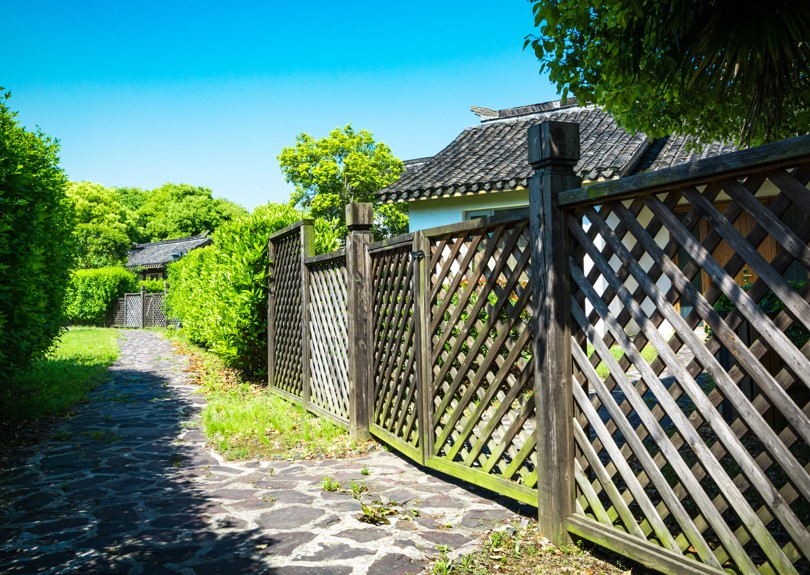
You don’t think much about your gate until it starts bothering you. It creaks. It blocks airflow. It looks dated. Or it simply doesn’t feel safe anymore. That’s when people start searching for a metal gate in Singapore.
For HDB and condo owners, choosing a gate isn’t just about looks. Rules apply. Space matters. Daily use matters more than design trends. This guide for HDB & condo owners focuses on what actually affects living comfort in 2026.
10 Things HDB And Condo Owners Need to Know in 2026
-
HDB and Condo Rules Come First
Before design, check regulations. HDB and condos set clear limits on gate type, swing direction, and spacing.
Some designs look great online but fail approval instantly. That wastes time and money.
A compliant metal gate in Singapore saves you from rework.
-
Ventilation Is No Longer Optional
Older gates focused on security only. Newer homes need airflow.
Poor ventilation traps heat and cooking smells. It also affects corridor comfort.
Modern metal gates balance spacing and safety. That balance matters more than style.
-
Swing Direction Affects Daily Life
Inward swing. Outward swing. Sliding gate.
Each choice affects space and movement. In tight corridors, the wrong swing becomes annoying fast.
For this guide for HDB & condo owners, usability beats aesthetics every time.
-
Noise Matters More Than You Think
Metal gates can rattle. Hinges can squeak. Locks can clang.
In shared living spaces, noise travels. Quiet operation matters, especially at night.
Ask about hinge quality and lock fit. Silence signals good construction.
-
Weight Impacts Long-Term Use
Heavy gates feel solid at first. Over time, they stress hinges and frames.
Lighter designs with proper reinforcement last longer. They open smoother. They age better.
A well-designed metal gate in Singapore doesn’t need to feel like a vault.
-
Rust Resistance Saves Maintenance
Humidity tests metal constantly. Poor finishes show rust fast.
Powder coating and proper treatment extend lifespan. Untreated metal becomes a chore.
Less maintenance means fewer headaches later.
-
Safety Features Should Feel Natural
Sharp edges. Large gaps. Poor latch design.
These details affect families with children or pets. Safety shouldn’t look obvious. It should feel natural.
Good design hides safety in plain sight.
-
Privacy Levels Need Balance
Full solid gates block airflow. Open designs expose interiors.
Privacy comes from spacing and angle, not just panels.
This balance defines comfort in dense living spaces.
-
Lock Design Affects Convenience
Complicated locks slow daily entry. Poor placement strains wrists.
Simple, sturdy locks work best. They should align naturally with hand movement.
Small details improve daily routines.
-
Trends Change. Function Doesn’t
Trends shift every few years. Function stays.
Clean lines age better than decorative patterns. Neutral finishes suit resale better.
A timeless metal gate in Singapore protects value and comfort.
How Daily Habits Should Shape Your Gate Choice?
Most gate decisions fail because people imagine the gate once, not daily. A metal gate gets used every single day. Sometimes rushed. Sometimes half-awake. Sometimes with groceries, kids, or phones in hand.
That’s where design either helps or annoys.
- Morning and Night Use Changes Priorities
Morning exits feel rushed. Night entries feel tired. A gate should open smoothly with minimal effort. Heavy resistance becomes frustrating over time. Locks that need two hands feel clever only once.
Good gates respect routine. They don’t demand attention.
- Corridor Reality in HDBs and Condos
Corridors aren’t private spaces. Sound travels. Smells travel. Heat travels.
A metal gate in Singapore needs to work with shared spaces, not against them.
Things that matter more than expected:
- How much light passes through
- How air flows past the gate
- Whether the gate blocks neighbours when opened
- How noise carries when closing
Designs that ignore corridor life often create friction later.
- Child and Elder-Friendly Details Matter
Many homes change over time. Young couples become parents. Parents care for elders.
Sharp corners, wide gaps, or stiff latches become risks. Gates should age with the household.
Details to check:
- Rounded edges
- Controlled swing speed
- Stable locking height
- Easy grip handles
These details rarely appear in showrooms. They show up at home.
- Cleaning and Maintenance Reality
Dust builds up fast. Especially near doors.
Intricate patterns collect grime. Flat surfaces clean faster. Narrow gaps trap dirt. Simple spacing helps airflow and cleaning.
Low-maintenance design saves time quietly. That matters more than decoration.
- Fire Safety and Emergency Awareness
Emergency exits matter. Gates should not trap or delay movement.
Check how quickly the gate unlocks from inside. Avoid complex lock systems that confuse under stress.
This part rarely gets discussed. It should.
- Resale and Rental Considerations
Not everyone plans to stay forever. Resale matters. Rental appeal matters.
Neutral designs age better. Overly personalised gates limit appeal. Simple lines suit more buyers.
A future-proof metal gate in Singapore keeps options open.
What Owners Often Regret After Installation
Regret usually comes from small things, not big mistakes.
Common complaints include:
- Gate blocks airflow more than expected
- Closing noise disturbs neighbours
- Lock placement feels awkward
- Rust appears too early
- Gate feels heavier over time
Most of these issues stem from rushed decisions.
- Budget Planning Without Guesswork
Budget shouldn’t stretch blindly. But cutting too much creates long-term cost.
Balance matters.
Spend where it affects daily use. Save where it doesn’t. Finish quality matters more than decoration.
Ask what costs cover. Ask what isn’t included. Clear answers prevent later frustration.
- Installation Quality Shapes Everything
Even a good gate fails with poor installation.
Alignment matters. Frame fitting matters. Hinge placement matters.
A poorly installed gate drags, rattles, or misaligns quickly. That creates wear and noise.
Installation quality decides lifespan more than design.
- Why Asking the Right Questions Saves Regret?
Before confirming anything, ask practical questions:
- How does this gate age?
- How does it handle humidity?
- What happens if alignment shifts?
- How easy is repair later?
If answers sound vague, pause.
The Quiet Test of a Good Gate:
A good gate disappears into routine.
- You don’t notice opening it.
- You don’t notice closing it.
- You don’t think about maintenance.
That’s success.
Why Neighbours Notice Your Gate Before You Do?
In shared living spaces, neighbours feel gate problems first. A loud clang echoes. A blocked corridor slows movement. A heavy swing feels intrusive. These moments create quiet friction. Good gate design avoids that.
It opens cleanly. It closes softly. It stays within its space. When neighbours don’t notice your gate at all, you made the right choice. Comfort in dense housing often shows up through what people don’t notice.
Final Thought
A gate isn’t decoration. It’s a daily touchpoint.
The right metal gate in Singapore improves airflow, safety, and routine without drawing attention to itself. For HDB and condo owners in 2026, thoughtful design matters more than trends.
When a gate works quietly, you chose well.
Key Takeaways
- Compliance comes before design
- Ventilation affects comfort
- Quiet operation matters
- Weight impacts longevity
- Function beats trends
FAQs
Do HDBs allow all metal gate designs?
No. Designs must meet HDB guidelines.
Are metal gates noisy over time?
Quality hinges reduce noise significantly.
Is ventilation important for metal gates?
Yes. It improves airflow and comfort.
Do heavier gates last longer?
Not always. Balance matters more than weight.