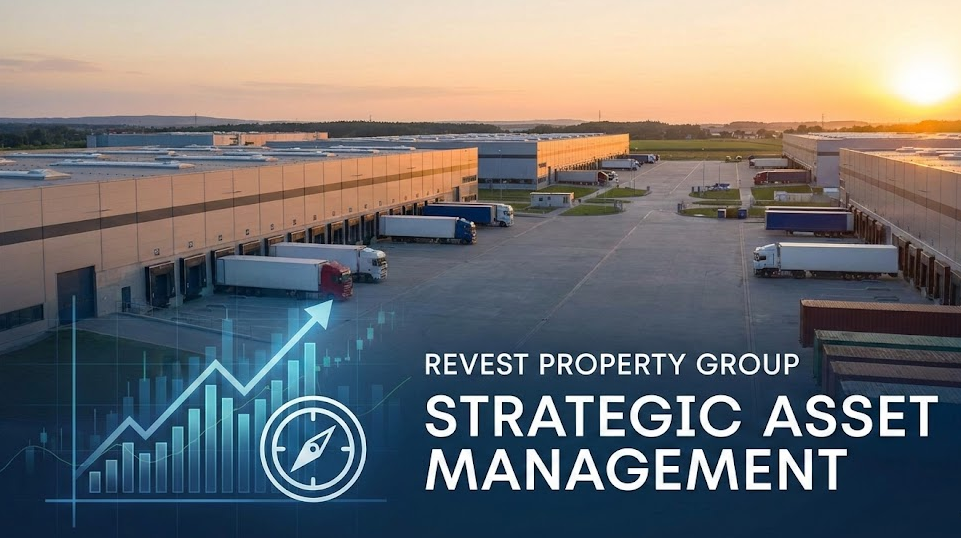
Industrial asset management is the systematic process of overseeing and maintaining industrial properties to ensure they reach their highest financial potential. Achieving a superior Return on Investment (ROI) in this sector requires a shift from passive rent collection to active strategic oversight. By implementing rigorous maintenance, tenant retention programmes, and capital expenditure planning, owners transform basic warehouses into high-performing financial assets.
The Core Functions of Industrial Asset Management
Effective management focuses on the operational efficiency and long-term viability of a property. These functions serve as the foundation for value creation in any industrial portfolio.
- Financial Oversight: This involves detailed budgeting, cash flow analysis, and tax depreciation scheduling to ensure the asset remains profitable.
- Tenant Relations: Management teams facilitate lease negotiations and dispute resolutions while fostering positive environments that encourage long-term occupancy.
- Risk Mitigation: Industrial sites carry specific risks, including environmental hazards and workplace health and safety (WHS) compliance, which require constant monitoring.
- Facility Maintenance: Preserving the physical structure through preventative maintenance schedules prevents costly emergency repairs and extends the building’s lifespan.
Revest Property Group integrates these functions into a single, cohesive strategy. This approach ensures that every operational decision aligns with the owner’s broader financial objectives.
Attributes of High-Performing Industrial Assets
Industrial properties succeed when they meet specific logistical and structural requirements. Prioritising these attributes allows investors to attract premium tenants and command higher rental rates.
| Attribute | Impact on ROI |
| Location & Connectivity | Proximity to motorways and ports reduces transport costs and increases tenant demand. |
| Internal Clearance Height | Higher ceilings (8 metres+) allow for vertical racking, increasing storage capacity. |
| Hardstand Area | Large outdoor spaces provide room for truck manoeuvring and container storage. |
| Power Supply | High-voltage power attracts manufacturing tenants with heavy machinery requirements. |
Use Cases for Professional Management Strategies
Strategic management is applicable across various industrial scenarios. Each case requires a tailored approach to maximise the specific opportunities present in the property.
1. Multi-Unit Industrial Estates
Managing an estate with 10 or more small units requires intensive administration. Strategic managers implement uniform signage, shared security protocols, and communal area maintenance to keep the estate looking professional and functional.
2. Cold Storage and Specialised Facilities
Cold storage assets require 24/7 monitoring of HVAC and refrigeration systems. Professional management ensures that technical failures do not lead to inventory loss, which protects both the tenant’s business and the landlord’s reputation.
3. Brownfield Redevelopments
For older industrial assets, management focuses on “adaptive reuse.” This involves upgrading existing structures to meet modern standards, such as installing LED lighting or solar arrays, which increases the asset’s market value.
The Pros and Cons of Active Industrial Management
Investors must weigh the costs of professional management against the potential gains in asset value and income stability.
Pros:
- Reduced Vacancy Rates: Professional managers use proactive leasing strategies to find new tenants before current leases expire.
- Increased Property Value: Consistent maintenance and capital improvements lead to higher valuations during bank reappraisals.
- Compliance Certainty: Expert oversight ensures the property meets all 7 Australian Building Codes and relevant state-based fire safety regulations.
Cons:
- Management Fees: Hiring a firm like Revest Property Group involves an ongoing service fee, typically a percentage of the gross rent.
- Initial Capital Outlay: Recommendations for upgrades require upfront investment from the owner.
Target Audience for Strategic Industrial Management
This guide is designed for 3 specific groups of stakeholders who hold interests in the Australian industrial market.
- Private Investors: Individuals or syndicates owning 1 to 5 warehouses who want to move away from “DIY” management to professionalise their portfolio.
- Institutional Landlords: Large entities requiring detailed reporting, ESG (Environmental, Social, and Governance) compliance, and high-level financial transparency.
- Property Developers: Firms that have recently completed industrial builds and need a management partner to oversee the transition from construction to full occupancy.
visit: https://www.revestpg.com.au/property-management
Situational Relevance: Why Now?
The Australian industrial market is currently experiencing a shift due to 3 primary factors: the rise of e-commerce, the need for “last-mile” delivery hubs, and fluctuating interest rates. In a high-interest-rate environment, capital growth slows down, making rental yield and operational efficiency the primary drivers of total return.
Revest Property Group addresses these market shifts by identifying “hidden” value in existing leases. This includes identifying under-market rents and implementing “ratchet clauses” that ensure rent never decreases, even during economic downturns.
Enhancing Value Through Precise Metrics
To measure the success of an industrial asset, managers track 5 key performance indicators (KPIs).
- WALE (Weighted Average Lease Expiry): A longer WALE (e.g., 5.5 years) indicates a more stable and bankable income stream.
- Net Absorption: This measures the amount of space occupied versus space vacated over a 12-month period.
- Operating Expense Ratio: Professional management aims to keep outgoings below 15% of gross income.
- Yield Compression: Successful management helps lower the capitalisation rate, which increases the total property value.
- Tenant Retention Rate: Aiming for a retention rate above 85% significantly reduces the costs associated with finding new occupants, such as leasing commissions and rent-free periods.
- Steps to Maximising ROI with Revest Property Group
To improve the performance of an industrial asset, follow these 4 strategic steps.
Step 1: Asset Audit
Begin with a full physical and financial audit. This includes checking 100% of the plant and equipment, reviewing lease documents for missed CPI (Consumer Price Index) increases, and assessing the building’s energy efficiency.
Step 2: Strategic CapEx Planning
Allocate funds for Capital Expenditure (CapEx) that directly impacts the rent. For example, installing 50kW solar systems or upgrading to high-speed roller doors attracts higher-quality tenants willing to pay a premium.
Step 3: Proactive Tenant Engagement
Communicate with tenants at least 6 months before lease expiry. Understanding their business growth plans allows the manager to offer lease extensions or expansions within the portfolio, preventing expensive vacancies.
Step 4: Market Positioning
Ensure the property is positioned correctly in the market. Revest Property Group uses real-time data to compare your asset against similar properties in the area, ensuring your rent reflects the current market ceiling.
visit: https://www.revestpg.com.au/
Conclusion
Maximising ROI in the industrial sector is a deliberate act of strategic planning rather than a result of market luck. By focusing on the 4 core functions of management—financials, tenants, risk, and maintenance—owners secure their wealth against market volatility.
Revest Property Group provides the expertise necessary to navigate these complexities. Their approach prioritises asset longevity and income stability, ensuring that every industrial property under their care performs at its absolute peak. Through precise data analysis and a commitment to operational excellence, they turn standard industrial holdings into premium investment vehicles.