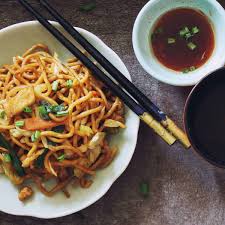
Comparing Lo Mein and Udon reveals two iconic Asian noodles with distinctly different origins, ingredients, textures, and uses. Both are wheat-based and enjoyed worldwide, but they occupy unique places in traditional and modern cuisines. Below is a detailed comparison highlighting the key distinctions between Lo Mein and Udon.
Origins and Cultural Background
Lo Mein Noodles: A Chinese Staple
Lo Mein originates from Chinese cuisine, specifically Cantonese cooking. The term “Lo Mein” translates to “tossed noodles,” which accurately describes the cooking technique rather than the noodle itself. These noodles are deeply rooted in Chinese culinary traditions and are commonly featured in stir-fried dishes.
Udon Noodles: A Japanese Classic
Udon noodles hail from Japan and are a cornerstone of Japanese comfort food. With a history spanning centuries, Udon is traditionally served in hot broth or chilled, accompanied by dipping sauces, emphasizing simplicity and balance.
Ingredients and Dough Composition
What Are Lo Mein Noodles Made Of?
Lo Mein noodles are made from:
- Wheat flour
- Water
- Eggs
The inclusion of eggs gives Lo Mein noodles their yellow hue, richer flavor, and slightly chewy texture.
What Are Udon Noodles Made Of?
Udon noodles consist of:
- Wheat flour
- Water
- Salt
Udon noodles contain no eggs, resulting in a pale white color and a neutral flavor profile.
Texture and Thickness Comparison
Lo Mein Texture Profile
- Medium thickness
- Soft yet springy
- Designed to absorb sauces efficiently
Lo Mein noodles are flexible and light, making them ideal for sauce-heavy stir-fried dishes.
Udon Texture Profile
- Very thick and dense
- Chewy and hearty
- Smooth surface
Udon noodles are significantly thicker than Lo Mein and provide a substantial mouthfeel, often described as comforting and filling.
Flavor Characteristics
Flavor of Lo Mein Noodles
Due to egg content, Lo Mein noodles have a slightly savory and rich taste. They complement bold sauces such as soy sauce, oyster sauce, and garlic-based seasonings.
Flavor of Udon Noodles
Udon noodles are mild and neutral, designed to highlight the flavors of broths, dashi, and light toppings rather than the noodles themselves.
Cooking Methods and Preparation Styles
How Lo Mein Noodles Are Cooked
- Boiled briefly
- Tossed or stir-fried with vegetables, proteins, and sauces
- Typically served dry or lightly sauced.
Lo Mein emphasizes integration with ingredients rather than standing alone.
How Udon Noodles Are Cooked
- Boiled until tender
- Served in hot soup, chilled, or stir-fried (Yaki Udon)
- Often enjoyed with minimal seasoning.
Udon preparation focuses on texture and broth clarity.
Common Dishes Using Lo Mein and Udon
Popular Lo Mein Dishes
- Vegetable Lo Mein
- Chicken Lo Mein
- Shrimp Lo Mein
- Beef Lo Mein
Popular Udon Dishes
- Kake Udon
- Tempura Udon
- Nabeyaki Udon
- Zaru Udon
Nutritional Differences
Lo Mein Nutritional Overview
- Higher protein due to eggs
- Slightly higher fat content
- More calories per serving
Udon Nutritional Overview
- Lower fat
- Fewer calories
- Often lower in sodium when served plain
Lo Mein vs Udon: Side-by-Side Comparison Table
|
Feature
|
Lo Mein Noodles
|
Udon Noodles
|
|
Origin
|
China | Japan |
|
Egg Content
|
Yes | No |
|
Thickness
|
Medium | Very Thick |
|
Texture
|
Soft, springy | Chewy, dense |
|
Typical Serving
|
Stir-fried, dry | Soup, chilled, or stir-fry |
|
Flavor Profile
|
Rich, savory | Neutral, mild |
Which Noodle Is Better?
There is no definitive winner in the Lo Mein vs Udon noodles comparison. Each noodle excels in its intended culinary context. Lo Mein is ideal for robust, sauce-driven dishes, while Udon shines in minimalist preparations where texture and broth take center stage.
Final Verdict
Lo Mein and Udon noodles are not interchangeable; they are purpose-built for distinct culinary traditions. Understanding their differences allows for more precise cooking choices and better flavor outcomes. When matched with the right dish, both noodles deliver exceptional results and deserve their place in global cuisine.