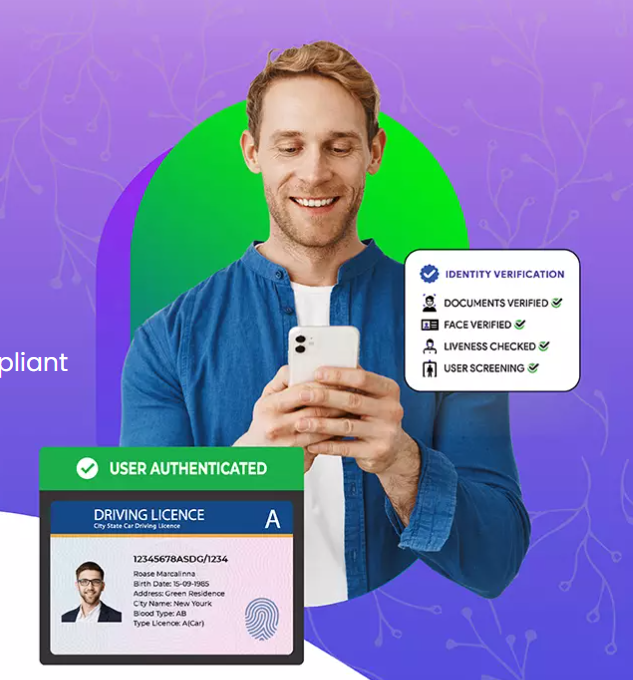
In today’s digital-first world, businesses must balance seamless user onboarding with strict security and compliance requirements. This is where a KYC verification service combined with facial biometric verification plays a vital role. From financial institutions and fintech companies to telecom providers and online marketplaces, organizations rely on advanced identity verification solutions to prevent fraud, meet regulatory standards, and deliver a smooth customer experience.
What Is a KYC Verification Service?
A Know Your Customer (KYC) verification service is a process used to verify the identity of customers before granting access to products or services. It ensures that businesses confirm the authenticity of a user’s identity using official documents and personal data. KYC verification is mandatory in regulated industries such as banking, insurance, cryptocurrency, and payment services.
Modern KYC services are digital and automated, allowing users to complete identity checks remotely. These solutions typically include document verification, data validation, and biometric authentication, significantly reducing onboarding time while maintaining compliance with global regulations.
Understanding Facial Biometric Verification
Facial biometric verification is a cutting-edge identity authentication method that uses a person’s facial features to confirm their identity. It works by capturing a live selfie or video and matching it against the photo on an official identity document such as a passport or national ID.
Unlike traditional verification methods, facial biometrics are difficult to forge or manipulate. Each individual’s facial structure is unique, making this technology highly reliable for identity verification. When combined with liveness detection, facial biometric verification can effectively prevent spoofing attacks using photos, videos, or masks.
How KYC Verification and Facial Biometrics Work Together
When integrated into a single workflow, KYC verification service and facial biometric verification create a robust identity verification system. The process typically involves:
-
Uploading an identity document for verification
-
Extracting and validating document data using AI
-
Capturing a live selfie for facial biometric verification
-
Matching the selfie with the document photo
-
Performing liveness checks to ensure real-user presence
This seamless process ensures high accuracy while keeping user friction to a minimum.
Key Benefits of Facial Biometric KYC Verification
Enhanced Security and Fraud Prevention
Facial biometric verification adds an extra layer of protection against identity theft, account takeovers, and fake identities. It significantly reduces fraud by ensuring that the person onboarding is physically present.
Faster and Seamless User Onboarding
Digital KYC verification eliminates manual processes and long verification times. Users can complete verification within seconds, improving customer satisfaction and conversion rates.
Regulatory Compliance
A reliable KYC verification service helps businesses comply with AML and KYC regulations across different regions. Automated record-keeping and audit trails simplify compliance management.
Scalable and Cost-Effective
AI-powered facial biometric verification systems can handle large volumes of verifications without increasing operational costs, making them ideal for fast-growing businesses.
Industries Using Facial Biometric KYC Services
Many industries rely on KYC verification services with facial biometric verification, including:
-
Banking and financial services
-
Fintech and digital wallets
-
Cryptocurrency exchanges
-
Insurance companies
-
Telecom operators
-
E-commerce and online marketplaces
These industries require secure and compliant identity verification to protect users and prevent financial crimes.
The Future of Digital KYC Verification
As cyber threats become more sophisticated, businesses must adopt advanced technologies to stay secure. Facial biometric verification, powered by AI and machine learning, is rapidly becoming the standard for digital KYC processes. With improvements in accuracy, speed, and global compliance support, biometric-based KYC verification services will continue to shape the future of digital identity.
Conclusion
A modern KYC verification service combined with facial biometric verification offers the perfect balance between security, compliance, and user convenience. By adopting biometric-based KYC solutions, businesses can reduce fraud, meet regulatory requirements, and deliver a seamless onboarding experience. As digital transformation accelerates, facial biometric KYC verification is no longer an option—it is a necessity for secure and scalable growth.