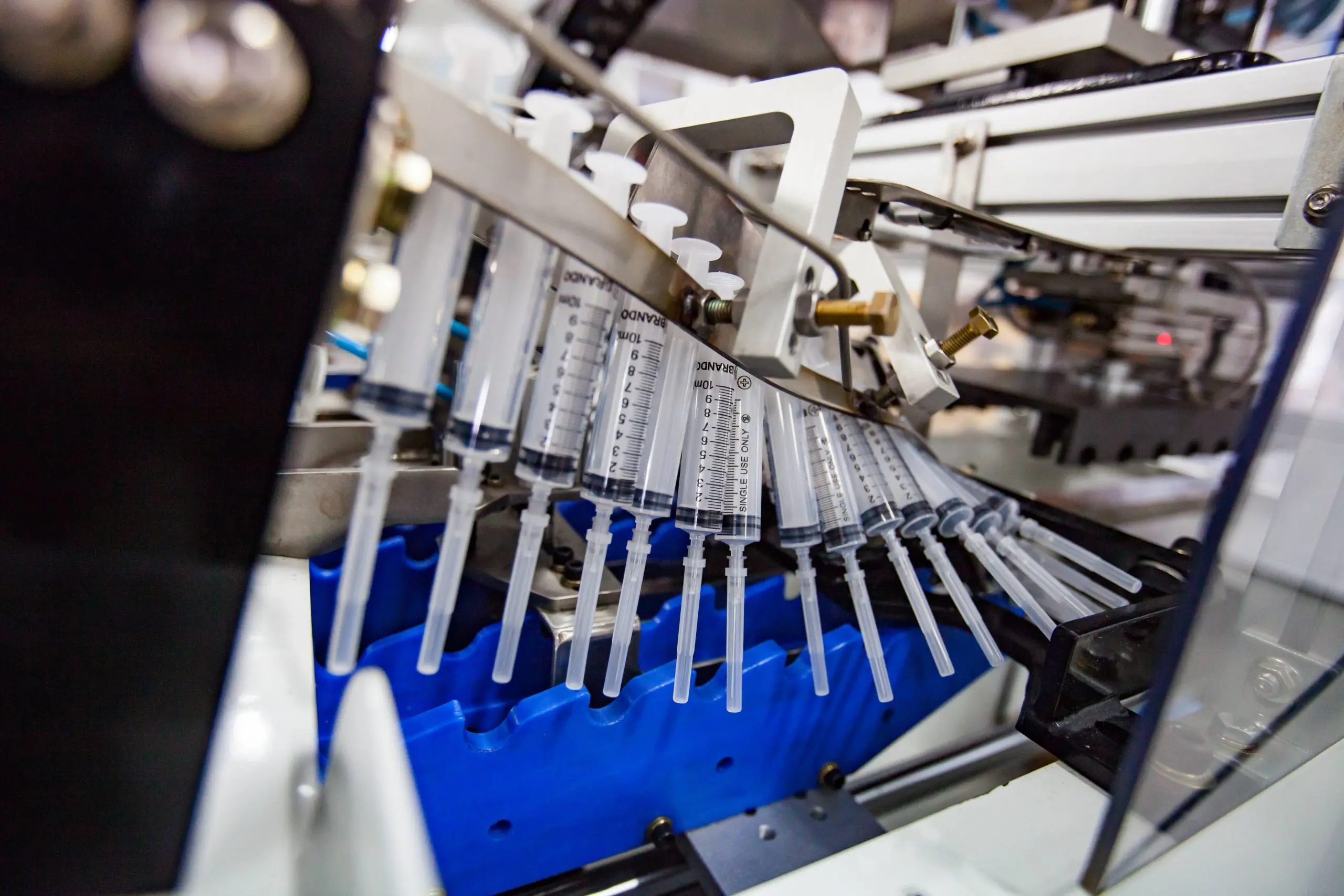
Tanker ships move essential liquids across long sea routes every day. Crews depend on clear systems and steady routines to keep each journey safe and smooth. Tanker Ship Equipment supports every task on board, from steering to cargo care.
These tools help sailors guide the vessel, control cargo flow, and protect lives at sea. Each piece works with others, so teamwork matters as much as technology. When crews understand their equipment well, they reduce risk and keep operations steady in changing marine conditions.
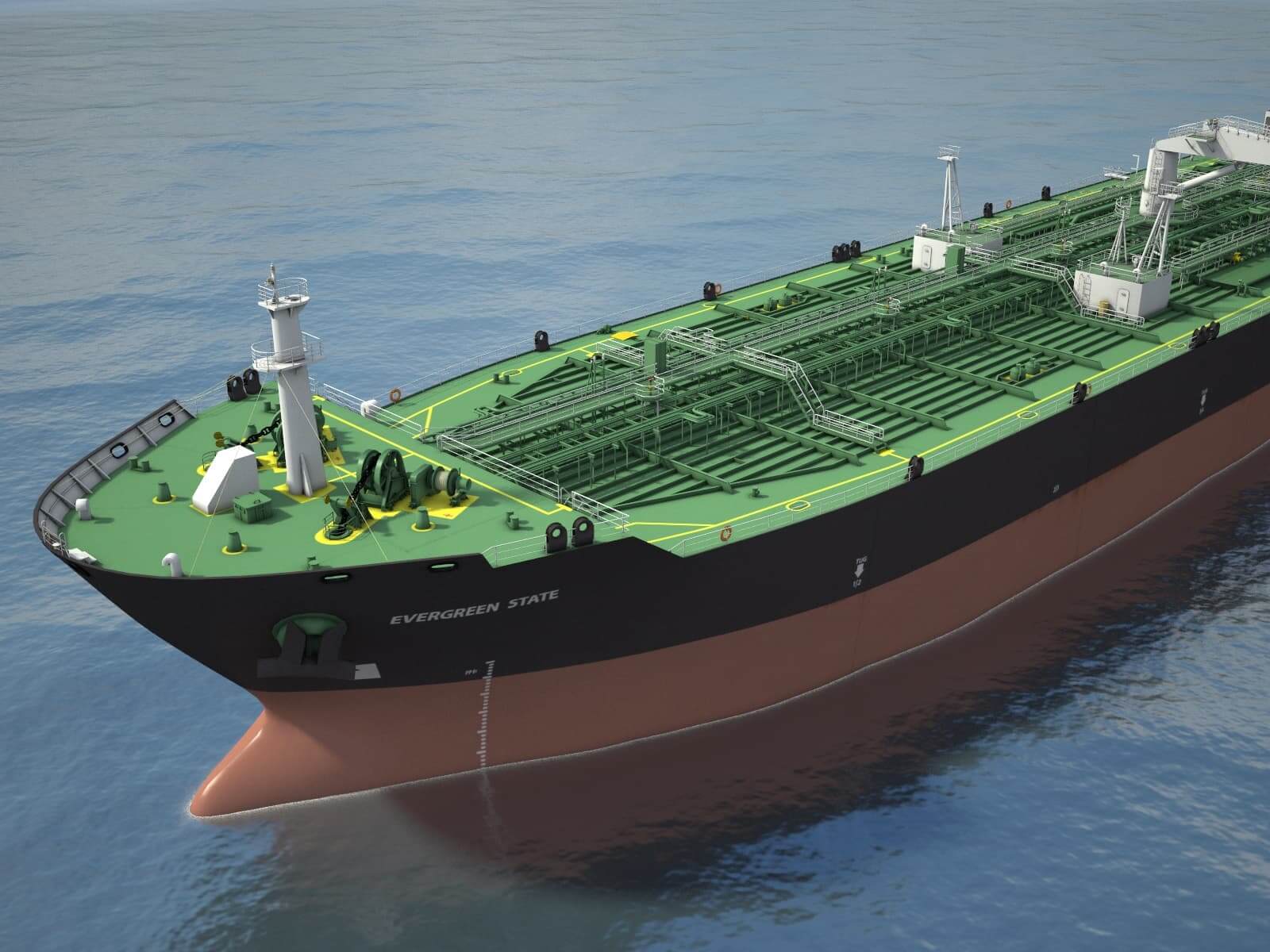
Navigation and Control Systems
These systems guide the ship through open water and narrow routes. While they help crews judge distance, direction, and risk before trouble grows.
- Charts are also displayed on screens.
- Even steering control units
- Also, speed and heading sensors
Bridge Control Panels
Bridge panels collect signals from many sensors. They even show clear data to the crew. While on this link, officers steer with care and calm. But skill guides each move, not the screen. Clear views help crews plan turns and stops.
Radar and Tracking Tools
Radar tools scan the sea for ships and land. Also, they show moving objects near the vessel. Even though traffic shifts fast, crews watch these screens often. This practice lowers the chance of collision and builds trust on busy routes.
Communication Systems
Radios and signal units link ship and shore. They pass clear messages between crews. Each port’s demand timing, crews rely on steady signals. Strong contact supports safe entry and exit during each trip.
Cargo Handling Equipment
Cargo tools move liquid loads from shore to tank and back. So crews manage flow with care and strength.
- Even cargo pumps with valves
- Also loading arms with hoses
- Even tank level gauges
Pump Room Systems
Pumps drive cargo through pipes with force, while valves shape the path of flow. While pressure matters, crews watch gauges and act fast. Tanker Ship Equipment in this area keeps cargo under control and prevents loss. Each action follows a set plan.
Tank Cleaning Systems
Tank cleaning tools wash residue from cargo spaces. Keep they prepare tanks for new loads. Even mixing risks damage, crews clean tanks after discharge. Clean tanks protect cargo quality and ship health.
Cargo Measurement Devices
These devices read tank levels and temperatures. They even help crews track volume during loading while often balancing matters, or crews check readings often. Clear data prevents overfill and keeps the ship stable.
Safety and Monitoring Gear
Safety tools shield people, ships, and the sea. Also, they warn crews before danger grows.
- Keep gas detection units.
- Even fire alarms and hoses
- Also, emergency shut-off switches
Alarm and Alert Networks
Alarms sense heat, gas, or smoke while they call crews to act. Even seconds count; these systems send clear signals. Yet training gives meaning to each sound. Crews learn each tone and response.
Firefighting Equipment
Fire hoses, pumps, and foam units fight onboard fires. Even crews place them across decks and rooms. Although fire spreads fast, access matters. These tools help crews contain risk and protect life.
Lifesaving Appliances
Lifeboats and rafts offer escape during a crisis; therefore, life jackets support each crew member. While rescue takes time, these tools give hope and order. Drills help crews act as one.
Power and Support Systems
Support gear feeds energy to every system. So the ship keeps its strength through the voyage.
- Main engines and generators
- Fuel treatment units
- Cooling and air systems
Engine Room Equipment
Engines push the ship through water. Even generators share power with all decks. Each balance matters; crews watch load and heat. Tanker Ship Equipment in this space keeps the vessel moving and ready. Order and discipline rule this room.
Electrical Distribution Systems
Cables and panels spread power across the ship. While they support lights, controls, and tools. Also, failure, crews often inspect circuits. Steady flow keeps systems alive.
Fuel Management Systems
Fuel units clean and supply oil to engines. They even remove water and dirt from fuel. Each clean fuel protects engines, or crews monitor tanks and filters. This care extends engine life.
Hull and Structural Equipment
The ship’s body supports cargo and crew, along with strong structures that resist sea force and weight.
- Hull plating
- Ballast tanks
- Watertight doors
Ballast Water Systems
Ballast tanks hold water to balance the ship so that the pumps can move water between tanks. While cargo weight shifts, crews adjust ballast often. Proper balance keeps the ship upright.
Mooring Equipment
Winches, ropes, and anchors hold the ship in place. Also, crews use them during port calls. Even tides pull hard; strong gear matters. Clear teamwork prevents damage.
Environmental Protection Systems
These systems guard the sea from harm. While they help crews meet strict rules.
- Oil spill response kits
- Waste treatment units
- Emission control systems
Oil Spill Containment Gear
Booms and absorbents limit spill spread. Even crews deploy them during leaks. Also, oil harms life; quick action matters. These tools support clean seas.
Waste Management Systems
Treatment units handle waste and water. Also, they reduce pollution before discharge. Even when rules guide release, crews follow set steps. Clean handling protects marine life.
Maintenance and Inspection Tools
Upkeep tools keep equipment ready. While they help crews spot wear early.
- Hand tools and testers
- Lubrication systems
- Inspection gauges
Routine Maintenance Gear
Crews use tools to tighten, clean, and test parts. Even if they log each task, therefore, care prevents failure; daily checks matter. This habit supports safe travel.
Monitoring and Record Systems
Logs and sensors track system health. Also, they show trends over time. Even patterns reveal risk, crews study records. Early action avoids delay.
Deck Operations and Daily Handling
Daily deck work keeps the ship active and organised, while crews coordinate tasks with care and rhythm. Tasks link closely; timing and teamwork shape safe outcomes. Work continues steadily, yet crews stay alert to change. Actions connect across shifts, so errors drop and confidence grows. Each movement supports safety, and effort flows smoothly across the deck.
Deck Machinery and Tools
These tools support lifting and control, while crews manage tasks with balance.
- Winches for line control
- Cranes for light lifts
- Capstans for steady pulling
- Fittings for secure loads
Final Thought
Daily marine operations rely on skill, discipline, and reliable systems working together. Crews follow routines, watch signals, and act with care to handle every challenge. Tanker Ship Equipment plays a steady role in shaping safe voyages and clean seas.
From the bridge to the engine room, each tool supports balance and control. When sailors respect their equipment and use it with purpose, ships travel with confidence. This shared effort keeps cargo secure, crews safe, and marine operations strong across every journey.
FAQs
Q 1: Why does routine equipment knowledge matter for crew members?
Knowing onboard systems helps crew members act with confidence during daily work. It sharpens response time, cuts mistakes, and strengthens teamwork, which leads to safer operations and smoother sea journeys.
Q 2: How do regular inspections boost marine safety?
Regular inspections help crews spot wear or faults early. This habit stops sudden failures, supports rule checks, and keeps systems working well during long trips at sea.
Q 3: What role does crew training play in daily operations?
Training builds skill and awareness among crew members. It guides them to handle tools with care, follow clear steps, and face changing conditions with calm focus during routine and emergency tasks.