Modern CNC machining demands accuracy, consistency, and speed to meet evolving manufacturing requirements. Precision industries depend on reliable tooling systems that can hold and guide workpieces without compromising quality. One of the most effective solutions used in advanced machining environments is jigs and fixtures tooling which helps stabilize machining operations while improving repeatability. These tooling systems allow manufacturers to maintain dimensional consistency while minimizing production variations across multiple machining cycles.
Manufacturing industries are moving toward automation and higher production efficiency, making reliable workholding systems more important than ever. Proper jig and fixture designdevices allow machinists to reduce manual adjustments and improve workflow consistency. Efficient tooling supports stable machining performance and helps reduce operational errors. As production volumes increase, well-engineered tooling solutions continue to play a key role in ensuring reliable machining accuracy and long-term production sustainability.
Role of Jigs and Fixtures Tooling in CNC Productivity
Supporting Workpiece Stability During Machining
Workpiece stability is critical for achieving precise machining results, especially when operating at high cutting speeds. Jigs and fixtures locating systems provide a stable base that prevents unwanted movement or vibration during machining operations. Stable positioning ensures cutting tools maintain accurate alignment with the workpiece surface, resulting in improved surface finish and dimensional precision. Reliable tooling design also reduces material distortion, allowing manufacturers to maintain consistent production quality.
Improving Consistency Across Production Runs
Consistency is essential for manufacturers producing large quantities of identical components. Jigs and fixtures tooling ensures each workpiece is positioned using identical reference points, allowing machining operations to be repeated with minimal variation. Consistent positioning reduces inspection requirements and minimizes the risk of defective parts. Reliable tooling helps manufacturers maintain high production standards and improves customer satisfaction by ensuring uniform product quality.
Key Components of Jig and Fixture Design Devices
Importance of Locating Elements in Precision Alignment
Locating elements are responsible for accurately positioning workpieces before machining begins. These elements include locating pins, support surfaces, and guide mechanisms that establish fixed reference points for machining processes. Proper jigs and fixtures locating techniques improve alignment accuracy and reduce setup complexity. Effective locating design helps maintain machining consistency while improving overall production reliability.
Effective Clamping Methods for Secure Holding
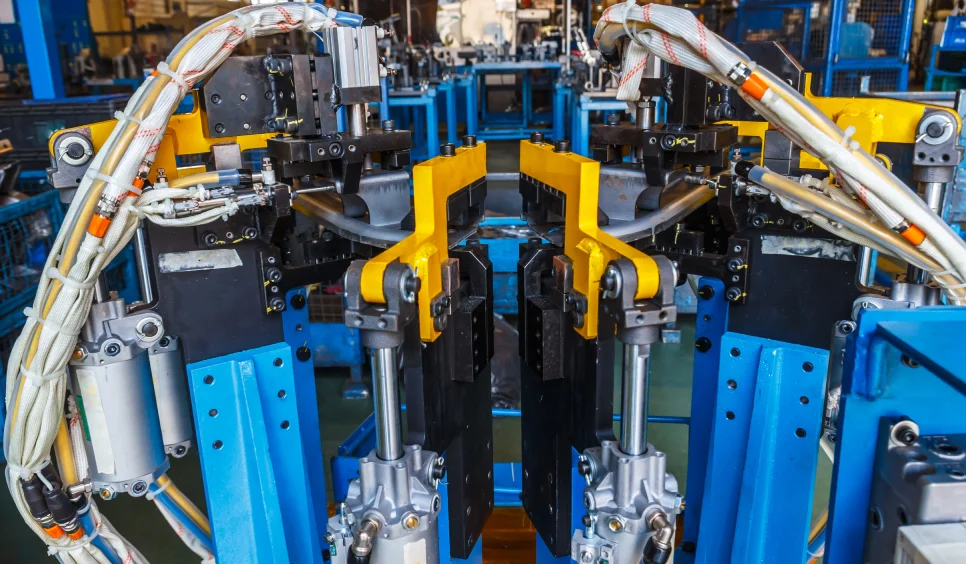
Clamping components are designed to hold workpieces firmly in place during machining operations. Strong and stable clamping prevents displacement caused by cutting forces or machine vibration. Advanced jig and fixture designdevices often use hydraulic, pneumatic, or mechanical clamping solutions to achieve consistent holding pressure. Proper clamping improves machining precision and reduces the risk of workpiece damage during high-speed cutting operations.
Benefits of Custom Jigs and Fixtures Tooling Solutions
Enhancing Operational Efficiency and Workflow
Custom tooling solutions are developed according to specific part geometry and machining requirements, allowing manufacturers to optimize their production workflow. Tailored jigs and fixtures tooling simplifies workpiece positioning and reduces setup time, which helps increase overall machining efficiency. Custom solutions support consistent machining accuracy and help manufacturers meet demanding production deadlines without sacrificing quality.
Enabling Integration with Automated Manufacturing Systems
Automation is transforming CNC manufacturing by reducing manual intervention and increasing production speed. Custom jig and fixture designdevices support seamless integration with automated machining systems and robotic handling equipment. Automation improves production consistency while reducing labor-intensive processes. Key automation advantages include:
-
Faster part loading and unloading operations
-
Improved compatibility with robotic machining systems
-
Reduced risk of human error during production
-
Enhanced consistency in high-volume manufacturing
Material Selection for Reliable Jigs and Fixtures Locating Systems
Choosing Durable and High-Strength Tooling Materials
Material selection plays an important role in determining the durability and performance of tooling systems. Hardened steel is widely used due to its excellent wear resistance and structural strength. Aluminum alloys are commonly selected for lightweight tooling solutions that simplify handling and reduce machine load. Composite materials are also used in specialized applications where corrosion resistance and dimensional stability are required.
Evaluating Cost Efficiency and Service Life
Manufacturers must balance tooling cost with long-term performance when selecting materials for jig and fixture designdevices. High-quality materials may increase initial investment but often reduce maintenance costs and extend tooling lifespan. Cost-effective material selection helps manufacturers maintain consistent machining quality while supporting sustainable production practices.
Engineering Strategies for Advanced Jigs and Fixtures Tooling
Incorporating Operator-Friendly and Ergonomic Features
Ergonomic tooling design improves operator efficiency by simplifying workpiece handling and reducing physical strain. Modern jig and fixture designdevices focus on quick loading mechanisms, simplified clamping operations, and accessible controls that enhance productivity. Operator-friendly tooling systems reduce setup errors and improve workplace safety. Ergonomic design also supports faster production changeovers and enhances overall operational performance.
Leveraging Digital Design and Simulation Technologies
Digital engineering tools allow manufacturers to design and test tooling solutions before production begins. CAD modeling and simulation technologies enable engineers to analyze stress distribution, clamping efficiency, and alignment accuracy. Digital design improves tooling performance and reduces development time. These technologies provide several advantages:
-
Accurate visualization of tooling functionality
-
Early detection of design limitations
-
Improved collaboration between design and production teams
-
Faster development of prototype tooling solutions
Maintenance and Optimization of Jigs and Fixtures Tooling
Implementing Preventive Maintenance Programs
Regular maintenance ensures that jigs and fixtures tooling continues to operate effectively throughout production cycles. Preventive maintenance includes cleaning locating components, inspecting clamping systems, and verifying dimensional accuracy. Routine inspections help identify wear and prevent unexpected equipment failure. Proper maintenance extends tooling service life and maintains machining consistency across multiple production runs.
Monitoring Performance for Continuous Improvement
Performance monitoring helps manufacturers identify areas where tooling efficiency can be improved. Evaluating machining stability, cycle time performance, and tooling wear patterns allows engineers to optimize jig and fixture designdevices. Continuous performance evaluation supports process improvements and helps manufacturers adapt to evolving production requirements. Data-driven optimization improves operational efficiency and supports long-term manufacturing success.
Future Trends in Jigs and Fixtures Locating Technologies
Adoption of Smart Tooling and Sensor Integration
Advanced manufacturing is increasingly incorporating smart tooling solutions equipped with sensors that monitor clamping pressure and workpiece alignment. Smart jigs and fixtures locating technologies provide real-time performance data that helps manufacturers maintain machining accuracy. Sensor integration improves process control and reduces the risk of production errors.
Expansion of Additive Manufacturing in Tooling Development
Additive manufacturing is revolutionizing tooling design by allowing manufacturers to produce complex fixture structures that are difficult to achieve using traditional methods. 3D printing enables the development of lightweight and customized jig and fixture designdevices that improve production flexibility. Additive manufacturing reduces tooling lead time and allows rapid design modifications to meet changing production demands.
Conclusion
Jigs and fixtures tooling continues to play a vital role in enhancing CNC machining accuracy, production efficiency, and operational reliability. By combining advanced locating systems, durable materials, and automated clamping solutions, manufacturers can improve machining consistency while reducing production costs. Custom tooling solutions support automation and enable manufacturers to meet strict quality standards in modern industrial environments. As CNC technology advances, investing in high-performance jig and fixture designdevices will remain essential for achieving scalable and efficient manufacturing operations.