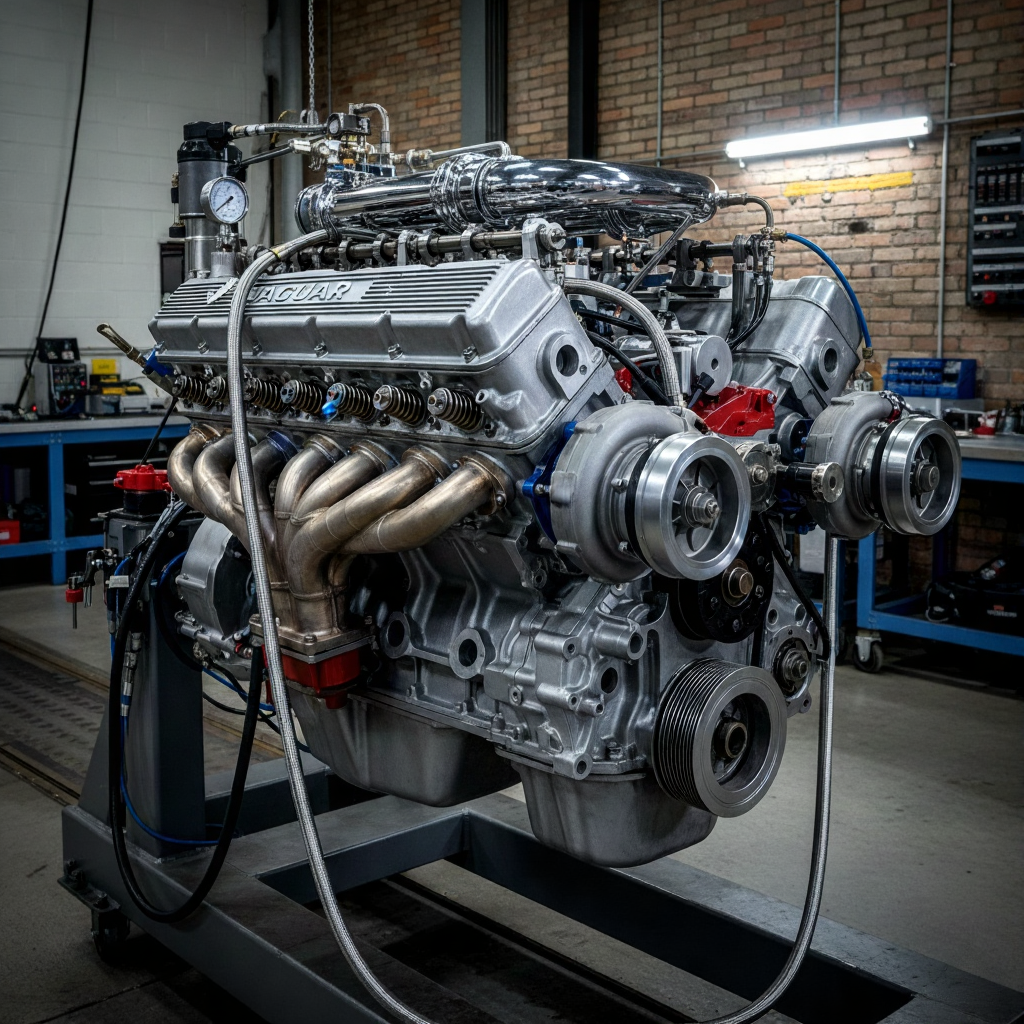
When buying or owning a premium SUV or luxury sedan, engine reliability is often the deciding factor. Jaguar Land Rover vehicles are known for comfort, performance, and design—but questions around long-term durability still come up frequently. One engine that often sparks debate is the Jaguar Land Rover 448PN petrol engine.
So, is it reliable? What are its real-world issues? And is it a smart choice for long-term ownership?
This in-depth guide breaks everything down honestly—based on technical design, common owner experiences, maintenance realities, and practical ownership insights.
Overview of the Jaguar Land Rover 448PN Engine
The 448PN is a 2.0-litre turbocharged petrol engine developed under Jaguar Land Rover’s Ingenium engine family. It has been used across multiple JLR models, including:
-
Jaguar XE, XF
-
Range Rover Evoque
-
Range Rover Velar
-
Discovery Sport
This engine was designed to balance performance, fuel efficiency, and emissions compliance, especially for modern driving conditions and tightening regulations.
Key Technical Highlights
-
Inline-4 petrol engine
-
Turbocharged for improved torque
-
Aluminium construction for reduced weight
-
Direct fuel injection
-
Paired with modern automatic transmissions
On paper, it looks impressive—and in many ways, it is.
Real-World Reliability: The Honest Answer
The short answer:
Yes, the Jaguar Land Rover 448PN petrol engine is generally reliable—but only if maintained properly.
This is not an engine that tolerates neglect. Owners who follow strict service intervals usually report smooth performance even beyond high mileage. On the other hand, skipped oil changes or poor fuel quality can quickly expose weaknesses.
Reliability largely depends on:
-
Maintenance discipline
-
Driving habits
-
Climate and fuel conditions
-
Early issue detection
Let’s break down where problems can occur.
Common Issues Reported with the 448PN Engine
No engine is perfect, especially modern turbocharged petrol units. The 448PN has a few known problem areas, but most are manageable if addressed early.
1. Timing Chain Wear (Early Models)
Some early versions experienced timing chain stretch, particularly in vehicles with irregular oil changes.
Symptoms include:
-
Rattling noise on cold start
-
Engine warning light
-
Rough idling
Fix:
Updated timing chain kits and improved maintenance intervals largely resolved this issue in later models.
2. Oil Consumption Concerns
Some owners report higher-than-expected oil consumption, especially in high-mileage or aggressively driven vehicles.
Why it happens:
-
Turbocharged engines naturally run hotter
-
Extended oil change intervals
Solution:
-
Shorter oil change cycles
-
Using manufacturer-approved oil only
This is more of a maintenance habit issue than a design flaw.
3. Carbon Build-Up on Intake Valves
Like many direct-injection petrol engines, carbon build-up can develop over time.
Signs include:
-
Reduced throttle response
-
Slight drop in fuel economy
Fix:
-
Periodic intake cleaning
-
Occasional highway driving (helps reduce buildup)
4. Turbocharger Wear (High Mileage)
Turbo failure is not common, but it can occur after very high mileage—especially if oil changes are skipped.
Preventive tip:
Always allow the engine to warm up and cool down properly before aggressive driving.
Are These Issues Deal-Breakers?
Honestly? No.
Most of these problems are:
-
Predictable
-
Well-documented
-
Preventable
Compared to older JLR petrol engines, the 448PN shows significant improvements in engineering quality and longevity.
Ownership Experience: What Drivers Say
Owners who understand modern turbo engines tend to be satisfied.
Positive Feedback Includes:
-
Smooth and quiet power delivery
-
Strong mid-range torque
-
Excellent highway performance
-
Refined driving experience
Common Complaints:
-
Sensitive to poor maintenance
-
Higher service costs compared to Japanese brands
-
Requires premium fuel for best performance
In short, this engine rewards careful ownership.
Maintenance Tips to Improve Longevity
If you want the Jaguar Land Rover 448PN petrol engine to last, follow these best practices:
1. Shorten Oil Change Intervals
Even if the manufacturer suggests long intervals, changing oil every 6,000–8,000 miles significantly improves engine life.
2. Use Correct Fuel & Oil
Always use:
-
High-quality petrol
-
Manufacturer-approved engine oil
Cutting corners here leads to long-term damage.
3. Warm-Up & Cool-Down Discipline
Avoid hard acceleration on cold starts and let the engine idle briefly after spirited driving.
4. Address Warning Signs Early
Unusual noises, warning lights, or performance drops should never be ignored.
Is the 448PN Engine Good for Long-Term Ownership?
If you’re planning to keep the vehicle long-term, here’s the reality:
Pros:
-
Strong performance for a 2.0-litre engine
-
Improved reliability over older JLR engines
-
Smooth daily driving experience
Cons:
-
Higher maintenance expectations
-
Not forgiving of neglect
-
Repairs can be costly if issues are ignored
For owners who value luxury and are comfortable with proactive maintenance, it’s a solid engine choice.
Used Vehicle Buyers: What to Check Before Purchase
If you’re considering a used Jaguar or Land Rover with this engine, check the following:
-
Full service history
-
Oil change frequency
-
Cold start noise
-
Any timing chain updates
-
Diagnostic scan for hidden faults
A well-maintained example is far more important than low mileage.
Final Verdict: Is the 448PN Engine Reliable?
The Jaguar Land Rover 448PN petrol engine is not unreliable, but it is maintenance-sensitive.
It delivers:
-
Premium performance
-
Smooth driving
-
Modern efficiency
But it demands:
-
Regular servicing
-
Quality consumables
-
Responsible ownership
Treat it right, and it can be a dependable, enjoyable engine for years.