Laser hair removal is popular because it promises smooth skin with less effort. Still, many people pause and ask one important question first: Is laser hair removal safe? This guide gives a clear and honest answer right away. Yes, laser hair removal is safe when done correctly, with the right care and trained professionals. In this article, you will learn why it is considered safe, what risks are real, and how to protect yourself at every step.
Safety matters more than anything. Let’s explain it in a simple, friendly way so you can feel calm and confident.
Why Safety Is the First Thing to Talk About
Any treatment that affects the skin should be safe. Laser hair removal uses light and heat, so it is normal to feel unsure.
The good news is that this treatment has been used for many years. Doctors and skin experts understand how it works and how to use it safely.
Knowing the facts helps remove fear and confusion.
What Laser Hair Removal Actually Does
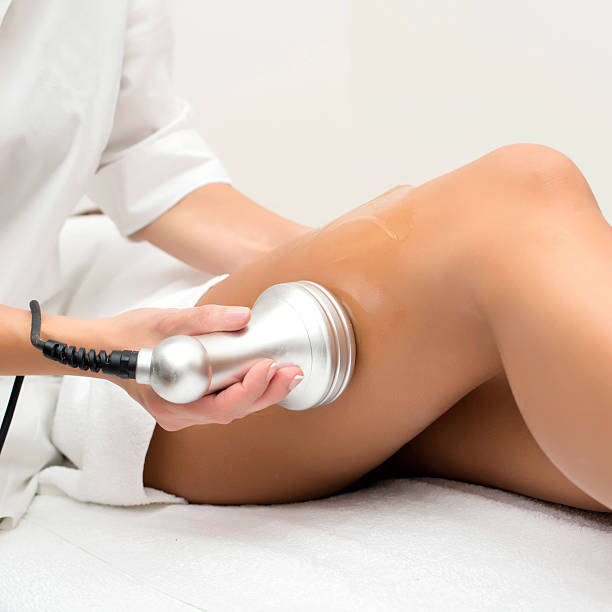
Laser hair removal sends light into the skin. The light targets the hair root, not the skin itself.
The root absorbs the light and becomes weaker. This slows hair growth over time.
Because the laser focuses on hair, healthy skin around it stays protected.
Why Laser Hair Removal Is Considered Safe
The laser is designed to target color in hair. Skin safety systems help control heat.
Modern machines include cooling features. These protect the skin during treatment.
When used correctly, the risk of harm is very low.
One Important Safety Term to Know
Many clinics focus on safe laser hair removal by using approved machines and trained staff. This means proper settings, skin checks, and clear care steps.
Safety is not luck. It comes from correct use and proper training.
This is why where and how you get treatment matters.
Who Makes Laser Hair Removal Safe?
Trained professionals play a big role. They understand skin types and hair types.
They adjust the laser for each person. This lowers the chance of burns or irritation.
Skill and experience make a big difference.
What the Treatment Feels Like
Most people feel warmth or quick snaps on the skin. It fades fast.
Cooling systems help reduce discomfort. Many people say it feels mild.
Pain level does not mean danger. Mild feeling is normal.
Common Side Effects You Should Know
Some redness or swelling can happen. This usually goes away in a few hours.
These effects are normal and expected. They show the skin is reacting and healing.
Serious problems are rare when care rules are followed.
Rare Risks and How They Are Avoided
Burns or skin color changes are possible but uncommon. They often happen when lasers are used incorrectly.
Choosing trained providers reduces this risk.
Following care instructions also protects your skin.
Why Skin Type Matters for Safety
Skin tone affects how lasers work. Darker skin needs special settings.
Modern technology can treat many skin tones safely.
A proper skin check helps choose the safest approach.
Is Laser Hair Removal Safe for the Face?
Yes, it can be safe for the face when done carefully.
Face skin is sensitive, so lower settings are used.
Professional care makes facial treatment safe and gentle.
Is Laser Hair Removal Safe for Teens?
Laser hair removal is usually for adults. Some older teens may qualify with care.
Hormones affect hair growth at younger ages.
A professional consultation is important before starting.
Safety During Pregnancy
Most providers avoid laser hair removal during pregnancy.
This is done out of caution, not proven danger.
Waiting until after pregnancy is the safest choice.
How Technology Has Improved Safety
Older machines were less precise. New machines are smarter and gentler.
They target hair better and protect skin more.
Technology growth has made laser hair removal safer than ever.
The Role of Cooling Systems
Cooling protects the skin before, during, and after each pulse.
This reduces heat on the skin surface.
Cooling is a key part of modern safety.
Why Home Devices Are Different
Home laser devices are weaker than clinic machines.
They may be safer for small use but less effective.
Improper use can still cause skin problems.
Why Sun Exposure Affects Safety
Sun exposure makes skin sensitive. Treating tanned skin raises risk.
Avoiding sun before and after treatment is important.
This simple step improves safety and comfort.
What to Do Before Treatment
Avoid waxing or plucking. Shaving is usually allowed.
Keep skin clean and dry.
These steps help the laser work safely.
What to Do After Treatment
Avoid heat and sun for a short time.
Use gentle skin care.
Following these steps helps the skin heal well.
Why Following Instructions Matters
Most safety problems happen when instructions are ignored.
Care steps are given for a reason.
Listening protects both skin and results.
Myths About Laser Hair Removal Safety
Some think lasers damage organs. This is false.
The laser only reaches the hair root, not deep inside the body.
Facts help remove fear.
Is Laser Hair Removal Safe Long Term?
Yes. Studies show no long-term skin damage when done correctly.
Hair reduction lasts, and skin stays healthy.
Long-term use has shown strong safety records.
Who Should Avoid Laser Hair Removal?
People with certain skin conditions may need caution.
Some medications increase skin sensitivity.
A consultation helps decide what is safe.
Why Consultations Are Important
Consultations check skin, hair, and health history.
They help set safe laser settings.
Skipping this step increases risk.
Signs You Are in Safe Hands
The provider asks questions. They explain the process.
They give clear care steps.
This shows professionalism and safety focus.
How to Know If Something Is Wrong
Severe pain, blistering, or dark spots are not normal.
If this happens, contact your provider.
Quick action helps protect skin.
Safety Compared to Other Hair Removal Methods
Shaving can cause cuts. Waxing can tear skin.
Laser hair removal reduces repeated skin damage.
This makes it a safer long-term option for many.
Final Thoughts: Is Laser Hair Removal Safe?
Yes, laser hair removal is safe when done the right way. Trained professionals, modern machines, and proper care all work together.
Understanding safety helps you feel calm and prepared.
When safety comes first, results follow naturally.
FAQs
Can laser hair removal cause cancer?
No. Lasers do not use harmful radiation and do not cause cancer.
Is laser hair removal safe for sensitive skin?
Yes, with proper settings and care, sensitive skin can be treated safely.
How can I lower my risk even more?
Choose trained providers, follow instructions, and avoid sun exposure.