Introduction
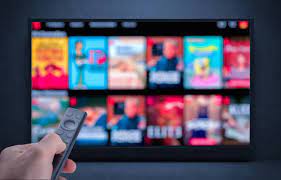
The way audiences consume television content has evolved significantly over the past decade. Traditional cable and satellite television, once considered the standard for home entertainment, are increasingly complemented or replaced by internet-based alternatives. One of the most discussed technologies in this transformation is Internet Protocol Television, commonly known as IPTV.
As internet infrastructure improves globally, IPTV services have become more accessible to households seeking flexible viewing options. Among the many search terms associated with this shift, IPTV GOLD Premium Streaming and IPTV GOLD frequently appear in user queries. These terms are often explored by individuals looking to understand IPTV services, how they work, and whether such platforms align with their viewing habits.
This blog post is designed as a detailed, informational resource. It does not promote or endorse any service. Instead, it aims to explain IPTV technology, the typical structure of IPTV services like IPTV GOLD, and the practical, legal, and technical factors users should understand before engaging with IPTV platforms. The content is written in alignment with current Google helpful content and quality guidelines, focusing on clarity, originality, and user value.
Understanding IPTV: The Basics
IPTV stands for Internet Protocol Television. Unlike conventional television broadcasting methods that rely on satellite signals or cable networks, IPTV delivers television content using internet protocols. This means that video content is transmitted as data packets over broadband or fiber internet connections.
How IPTV Differs From Traditional TV
Traditional television broadcasts content continuously to all viewers, regardless of whether they are watching a specific channel. IPTV, on the other hand, uses a request-based system. Content is delivered only when a user selects a channel or program.
Key differences include:
- Transmission method: Internet-based instead of satellite or cable
- Content access: On-demand and live streaming
- Device flexibility: Multiple devices instead of a single TV connection
Services discussed under terms like IPTV GOLD Premium Streaming are generally associated with this internet-based delivery model.
Core Components of IPTV Technology
To understand how IPTV services function, it is helpful to examine their core components.
Content Sources
IPTV platforms rely on centralized servers that host live television streams and on-demand video libraries. These servers distribute content to users in real time.
Streaming Protocols
Protocols such as HLS (HTTP Live Streaming) and MPEG-DASH are commonly used to ensure smooth playback. These protocols divide video files into smaller segments, allowing adaptive streaming based on available bandwidth.
End-User Devices
Users access IPTV services through compatible devices, which may include:
- Smart televisions
- Android and iOS smartphones
- Tablets
- IPTV set-top boxes
- Desktop and laptop computers
Platforms like IPTV GOLD are typically discussed in relation to broad device compatibility.
What Is IPTV GOLD Premium Streaming?
The term IPTV GOLD Premium Streaming is generally used to describe IPTV services that emphasize enhanced streaming quality, organized content delivery, and user accessibility. From an informational perspective, it is not a technical standard but rather a commonly searched phrase representing a category of IPTV offerings.
When users research IPTV GOLD, they are often seeking clarity on:
- The type of content available
- Streaming performance expectations
- Device and application compatibility
- Reliability and usability
Understanding these elements helps users evaluate IPTV platforms objectively.
Common Features Found in IPTV GOLD-Type Services
Although features vary between providers, IPTV services associated with terms like IPTV GOLD Premium Streaming often share several functional characteristics.
Live Television Channels
Live TV remains a central feature of IPTV platforms. Channels are usually categorized by:
- Geographic region
- Language
- Content genre
This organization helps users navigate extensive channel lists efficiently.
Video on Demand (VOD)
VOD libraries provide access to pre-recorded content, such as movies and television series. Availability and update frequency depend on the service infrastructure.
Catch-Up and Time-Shifted Viewing
Some IPTV services allow users to watch previously aired programs for a limited period. This feature is commonly referred to as catch-up TV.
Streaming Quality and Performance Factors
Streaming quality is a primary concern for IPTV users.
Resolution Options
IPTV platforms may support multiple resolutions, including:
- Standard Definition (SD)
- High Definition (HD)
- Full HD (1080p)
- Ultra HD or 4K
Actual playback quality depends on both server capability and user internet speed.
Bandwidth Requirements
Recommended minimum internet speeds include:
- 5 Mbps for SD streaming
- 10 Mbps for HD streaming
- 25 Mbps or higher for 4K streaming
Stable connections are essential to minimize buffering and interruptions.
Device Compatibility and User Accessibility
One of the advantages of IPTV is its flexibility across devices.
Supported Platforms
Services discussed under IPTV GOLD commonly support:
- Smart TV operating systems (Android TV, webOS, Tizen)
- Mobile applications for Android and iOS
- Streaming devices such as Fire TV
- Web-based players for desktops
This flexibility allows users to access content from multiple locations.
User Interface and Experience Design
User experience plays a significant role in IPTV adoption.
Navigation and Layout
Clear menus, search functionality, and categorized listings improve usability.
Electronic Program Guide (EPG)
An EPG provides scheduling information, enabling users to plan their viewing and explore upcoming programs.
Playback Controls
Standard controls such as pause, rewind, and resume enhance viewing convenience.
Regional Content and Availability
IPTV services often vary by region due to licensing and distribution rules.
International Channels
Some platforms focus on offering international programming to cater to diverse audiences.
Localized Content
Regional content availability depends on service focus and compliance with local broadcasting regulations.
Understanding regional differences is important when researching IPTV GOLD Premium Streaming options.
Legal and Regulatory Considerations
Is IPTV Legal?
IPTV technology itself is legal. However, legality depends on whether the service has appropriate rights to distribute the content it offers.
User Awareness
Users should:
- Review local laws and regulations
- Understand service terms and content sources
- Avoid assumptions based on technology alone
Being informed helps users make responsible choices.
Security and Privacy Considerations
Data Protection
Reputable IPTV services typically implement security measures such as encrypted connections.
Account Safety
Users are advised to:
- Use strong passwords
- Keep applications updated
- Review privacy policies
Security awareness contributes to safer IPTV usage.
IPTV GOLD Compared to Traditional Television
Flexibility and Control
IPTV offers on-demand viewing and multi-device access, unlike fixed broadcast schedules.
Installation and Hardware
Traditional TV often requires physical installation, while IPTV relies on existing internet connections.
Viewing Preferences
Some users combine IPTV with traditional services based on content needs.
Search Trends and User Intent Around IPTV GOLD
Search queries for IPTV GOLD often indicate:
- Interest in IPTV alternatives
- Curiosity about streaming quality and features
- Desire for flexible viewing solutions
Informational content helps address these queries without misleading claims.
Common Misconceptions About IPTV
IPTV Always Buffers
Buffering is usually caused by network limitations, not IPTV technology.
IPTV Is Too Complex
Modern IPTV applications are designed for ease of use.
IPTV Replaces All Other Media
IPTV is often used alongside other entertainment options.
Best Practices for IPTV Users
- Maintain a stable internet connection
- Update devices and apps regularly
- Monitor data usage
- Read service documentation carefully
These practices improve overall viewing experience.
The Future of IPTV and Premium Streaming
The IPTV industry continues to evolve with advancements in:
- Streaming compression technologies
- Cloud-based infrastructure
- Personalized content delivery
- Higher resolution standards
Discussions around IPTV GOLD Premium Streaming often reflect interest in these future developments.
Conclusion
IPTV has reshaped how television content is delivered and consumed by leveraging internet-based technologies. It offers flexibility, device compatibility, and on-demand access that appeal to modern viewing habits.
Search terms such as IPTV GOLD Premium Streaming and IPTV GOLD highlight growing curiosity about IPTV services and how they operate. By understanding IPTV fundamentals, technical requirements, legal considerations, and user experience factors, individuals can make informed decisions that align with their preferences and local regulations.