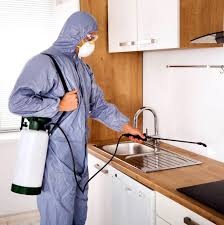
Integrated Pest Management in Lahore
Pest infestations are a major challenge for homes, businesses, and agricultural fields in Lahore. They not only cause damage to crops and property but also pose serious health risks to humans and animals. Integrated pest management in Lahore has emerged as an effective and environmentally responsible solution to address these challenges. Unlike traditional methods that rely heavily on chemical pesticides, integrated pest management focuses on a combination of strategies that control pests while minimizing harm to the environment.
Understanding Integrated Pest Management
Integrated pest management, often abbreviated as IPM, is a comprehensive approach to pest control that combines biological, cultural, mechanical, and chemical methods. The primary goal of IPM is to manage pest populations at levels that do not cause significant harm, rather than completely eradicating them. By using a combination of strategies, pest control professionals in Lahore can reduce reliance on chemical pesticides, improve long-term effectiveness, and protect both public health and the environment.
The Importance of IPM in Urban Areas of Lahore
Lahore, being one of Pakistan’s largest cities, faces unique pest challenges due to high population density, urbanization, and diverse commercial activities. Residential areas, restaurants, hospitals, and offices are often prone to infestations of insects, rodents, and other pests. Implementing integrated pest management in Lahore ensures that these pests are controlled without excessive use of toxic chemicals, protecting the health of residents and employees while maintaining hygiene standards.
Agricultural Benefits of Integrated Pest Management
Agriculture in and around Lahore is a critical part of the economy. Crops such as wheat, rice, fruits, and vegetables are particularly vulnerable to pest attacks. Traditional pest control methods can lead to pesticide resistance, soil degradation, and contamination of water sources. Integrated pest management in Lahore offers a sustainable alternative by combining crop rotation, resistant crop varieties, biological controls, and judicious pesticide use. This approach enhances crop yield, reduces environmental impact, and promotes long-term agricultural sustainability.
Key Components of Integrated Pest Management
Integrated pest management in Lahore involves several critical components. Monitoring and identification of pests are the first steps, ensuring that the correct species are targeted and unnecessary treatments are avoided. Biological controls, such as introducing natural predators or beneficial insects, help maintain ecological balance. Cultural practices, including proper sanitation, crop rotation, and habitat modification, reduce pest breeding grounds. Mechanical methods, like traps and barriers, provide additional protection. Chemical pesticides are used as a last resort, only when other methods are insufficient to control infestations.
Environmental Advantages of IPM
One of the main advantages of integrated pest management in Lahore is its positive impact on the environment. By minimizing the use of chemical pesticides, IPM reduces soil and water contamination and protects beneficial insects such as bees and butterflies. The approach also lowers the risk of pesticide residues entering the food chain, ensuring safer food for consumers. Environmental conservation through IPM is particularly important in urban and agricultural settings, where chemical misuse can have long-lasting ecological consequences.
Health Benefits for Residents and Workers
Excessive use of chemical pesticides poses serious health risks, including respiratory problems, skin irritation, and long-term exposure hazards. Integrated pest management in Lahore prioritizes the safety of residents, workers, and farm laborers by limiting chemical exposure. By using biological controls, natural repellents, and safe application methods, IPM reduces the likelihood of health issues associated with traditional pest control, making communities safer and more comfortable.
Cost-Effectiveness of Integrated Pest Management
While initial implementation of integrated pest management may require investment in monitoring systems, training, and biological controls, it often proves cost-effective in the long run. By targeting specific pests and reducing pesticide use, IPM lowers recurring expenses and prevents crop losses or property damage. Businesses and farmers in Lahore benefit financially while contributing to environmental sustainability, making IPM an economically viable pest control solution.
Implementing IPM in Residential Areas
Residential properties in Lahore can significantly benefit from integrated pest management. Professional pest control services assess homes for pest entry points, breeding grounds, and high-risk areas. Techniques such as sealing cracks, improving drainage, using natural repellents, and introducing beneficial insects help prevent infestations. By educating residents about sanitation and maintenance practices, IPM creates a sustainable system that minimizes future pest problems without relying solely on chemical sprays.
IPM for Commercial and Industrial Establishments
Restaurants, offices, warehouses, and hospitals in Lahore require effective pest control to maintain hygiene and comply with regulations. Integrated pest management offers a strategic approach by combining preventive measures with targeted interventions. Regular monitoring, proper waste management, mechanical traps, and occasional use of approved pesticides ensure that pests are controlled efficiently. Businesses implementing IPM protect their reputation, safeguard employees and customers, and reduce operational disruptions caused by pest infestations.
Challenges in Adopting Integrated Pest Management in Lahore
Despite its benefits, the adoption of integrated pest management in Lahore faces several challenges. Lack of awareness among residents and farmers, limited access to trained professionals, and the initial costs of IPM programs can hinder widespread implementation. Additionally, some users prefer quick chemical solutions over preventive methods that require monitoring and planning. Overcoming these challenges requires education, demonstration projects, and incentives to encourage long-term adoption of sustainable pest control methods.
Role of Professional Pest Control Services
Professional pest control services in Lahore play a critical role in implementing integrated pest management. Trained technicians assess pest risks, develop customized IPM plans, and monitor outcomes to ensure effectiveness. They combine scientific knowledge with practical experience to provide safe and sustainable solutions for homes, businesses, and farms. Partnering with professional services ensures that IPM strategies are correctly applied, maximizing benefits while minimizing risks.
Future of Integrated Pest Management in Lahore
The future of pest control in Lahore is moving toward environmentally friendly and sustainable methods, with integrated pest management at the forefront. Technological innovations, such as digital monitoring systems, pest prediction software, and precision application tools, will enhance the effectiveness of IPM programs. Increased awareness, government support, and training programs for farmers and businesses will further promote adoption. As a result, integrated pest management in Lahore is expected to become the standard approach for safe and effective pest control.
Conclusion: Sustainable Pest Control for Health and Environment
Integrated pest management in Lahore represents a balanced approach to pest control that prioritizes safety, sustainability, and efficiency. By combining biological, cultural, mechanical, and chemical strategies, IPM effectively manages pest populations while protecting human health and the environment. Whether for homes, businesses, or agricultural fields, adopting IPM ensures long-term benefits, reduces costs, and promotes ecological balance. In a rapidly growing city like Lahore, integrated pest management offers an essential solution for a safer, healthier, and more sustainable future.