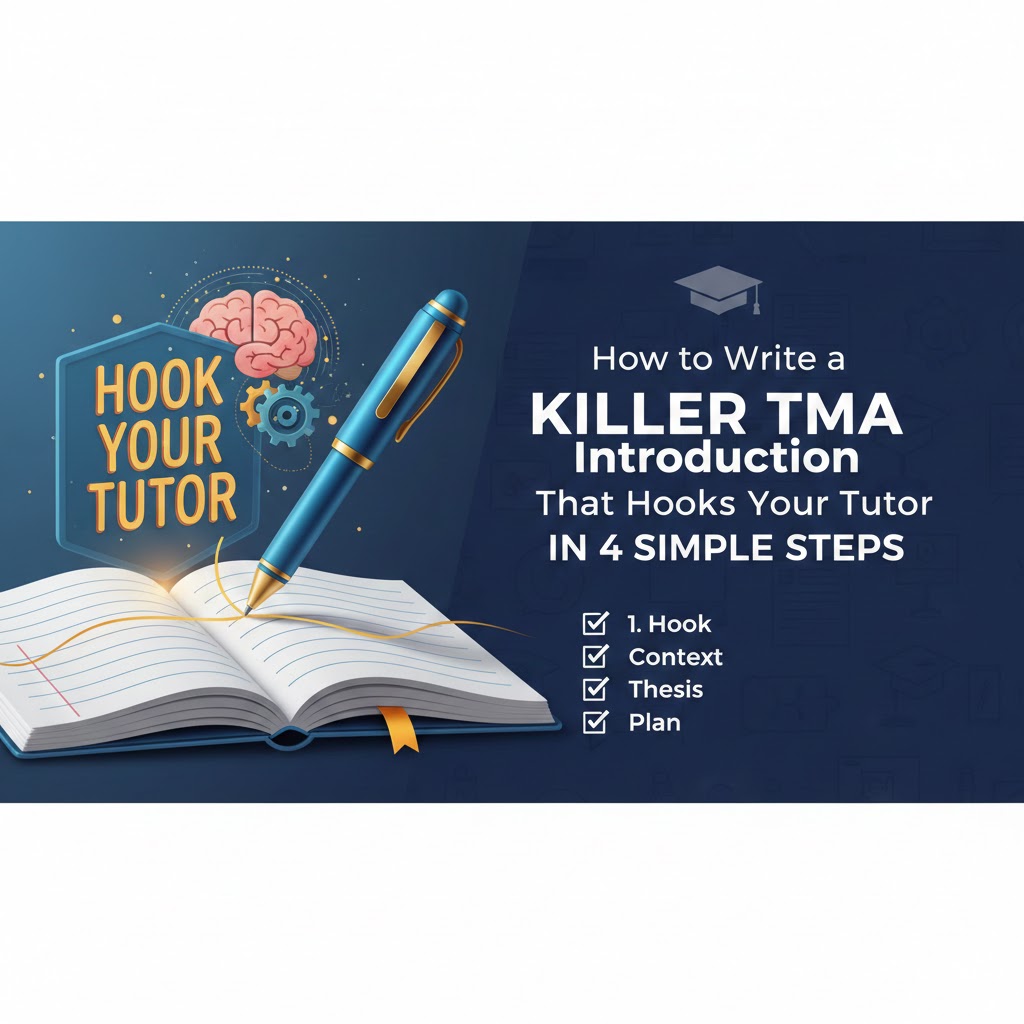
Starting a Tutor-Marked Assignment, or TMA, can feel scary. Many students stare at a blank page, unsure of how to begin. The introduction is the first thing a tutor reads, and it sets the tone for the entire assignment. A good introduction grabs attention and shows the tutor that the student understands the question. This blog will explain four simple steps to write a TMA introduction that makes a great first impression. It will also discuss how TMA assignment writers often use these steps to build strong foundations for their work. By the end, any student will know exactly how to start their next TMA with confidence.
Why Your TMA Introduction is a Big Deal
The introduction is like a map for a journey. It tells the tutor where the assignment is going and how it will get there. A weak introduction can confuse the tutor, even if the rest of the assignment is good. Conversely, a clear, focused introduction makes the tutor’s job easier and shows the student is in control. It is the student’s first and best chance to show they have understood the question. Many students rush this part, but it is worth taking time to get it right. Professional TMA assignment writing service online experts always spend extra time crafting this section because they know its power.
The Three Jobs of a Great Introduction
A great introduction has three simple jobs. First, it must introduce the topic. This means using words from the question to show the tutor the student is on the right path. Second, it must state the main argument or answer. This is often called the thesis statement. It is the most important sentence in the introduction. Third, it must outline the structure. This is like giving the tutor a quick list of what each part of the assignment will do. Doing these three things creates a roadmap that guides both the writer and the reader.
Step One Start by Restating the Question
The easiest way to begin is to rephrase the TMA question. This does not mean copying it word for word. Instead, the student should use their own simple words to show they understand what is being asked. For example, if the question is “Discuss the causes of climate change,” the introduction could start with, “This assignment will explore the key factors that lead to climate change.” This immediately shows the tutor the student has engaged with the topic. It is a safe and effective way to open any TMA.
How to Show You Understand the Keywords
TMA questions often contain special instruction words like ‘analyse’, ‘compare’, or ‘evaluate’. The introduction must reflect these words. If the question says ‘analyse’, the introduction should state that the assignment will break down the topic into parts. A student might write, “This analysis will examine the different components of…” This proves to the tutor that the student knows what type of work is required. It is a small detail that makes a big difference.
Step Two Write Your One-Sentence Answer
This is the heart of the introduction. After addressing the question, the student must give their main answer. This sentence is called the thesis statement. It should be clear, direct, and specific. A good thesis statement takes a position. Instead of saying, “This assignment is about social media,” a stronger thesis would be, “This assignment argues that social media has improved communication by connecting people across the world.” This gives the assignment a clear direction. Professional TMA assignment writers know that a strong thesis is the backbone of a high-scoring TMA.
Making Your Argument Clear and Strong
A weak thesis is vague. A strong thesis is specific. To make it strong, the student should ask themselves, “What is the one main point I want my tutor to remember?” That point becomes the thesis. It should not try to say two or three things. It should focus on one central idea. This focus helps the student stay on track throughout the entire assignment. Every paragraph written later should connect back to proving this one main point.
Step Three Map Out Your Assignment’s Journey
Now the tutor knows the topic and the main answer. The final part of the introduction is to briefly explain how the assignment will prove that answer. This is like giving a preview. The student should mention the main points or sections that will come next. For instance, “First, this assignment will look at the historical causes. Then, it will examine the current evidence. Finally, it will evaluate the future impacts.” This roadmap helps the tutor follow the logic and shows the assignment is well-organized.
Keeping Your Outline Simple and Logical
The outline should not list every single point. It should only mention the two, three, or four biggest steps in the argument. Using simple words like “first,” “next,” and “finally” can make this structure very clear. This section tells the tutor, “I have a plan, and I am going to lead you through it step-by-step.” It builds trust and shows the assignment will be easy to read and grade.
Step Four Review and Polish the First Paragraph
Once the introduction is written, the job is not quite finished. The student must read it over carefully. They should check that it flows smoothly from one sentence to the next. They should make sure every word is necessary and clear. Reading it aloud is a great way to catch awkward phrases. The goal is a short, powerful paragraph that makes the tutor think, “This student knows what they are doing.” A polished introduction creates a positive first impression that lasts through the whole marking process.
Common Mistakes to Avoid in Your Intro
Students often make a few common mistakes. Some introductions are too long and full of background information that is not needed. Others are too short and do not give enough information. Another mistake is using words the student does not fully understand, which can confuse the tutor. The best introductions are like Goldilocks’ porridge: not too big, not too small, but just right. They are concise, focused, and crystal clear.
When to Ask for Help with Your TMA Start
Sometimes, even with these steps, starting can be very hard. A student might be stuck, short on time, or unsure about the question. In these cases, seeking guidance can be a smart choice. A reliable TMA assignment writing service online can provide a model introduction that shows how these steps work in practice. This can help a student learn by example and complete the rest of the assignment on their own. Getting help with the foundation can empower a student to build the rest successfully.
How Professional Services Can Guide You
Professional assignment writers UK online do not just give answers. The good ones teach. They can show a student how to break down a complex question, how to form a strong thesis, and how to structure an argument. Looking at a professionally written introduction can be a valuable learning tool. It demystifies the process and gives the student a template to follow for future assignments. This turns a moment of stress into a useful learning experience.
Frequently Asked Questions
What is the most important part of a TMA introduction?
The most important part is the thesis statement. This one sentence tells the tutor the main argument or answer of the entire assignment. Everything else in the introduction supports this sentence.
How long should my TMA introduction be?
For most TMAs, a good introduction is about 5-10% of the total word count. For a 2000-word assignment, that means an introduction of about 100 to 200 words. It should be a single, well-crafted paragraph.
Can I write the introduction last?
Yes, many students find it helpful to write the introduction after they have finished the main body. This way, they know exactly what they have argued and can write a more accurate introduction and roadmap.
What if I’m still stuck after trying these steps?
If you are still stuck, it is okay to seek help. Reviewing your module materials is a good first step. You can also consider using a reputable TMA assignment writing service online to see an example of how an expert would approach your question, which can help you get started.
Conclusion
Writing a great TMA introduction does not require magic. It requires a simple, clear plan. By restating the question, stating a strong one-sentence answer, outlining the structure, and polishing the final paragraph, any student can hook their tutor from the very first line. This strong start builds confidence for the writer and makes the assignment easier to follow for the reader. Remember, the introduction is the gateway to a successful TMA. Investing time in it is one of the best ways to improve your grades. For those who need a guiding hand, reviewing examples from trusted TMA assignment writers can provide the clarity needed to begin.