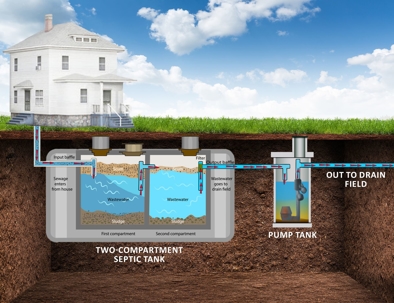
Taking care of your home’s waste setup may not sound exciting, but it can save you stress, money, and time. A well-maintained system works quietly in the background, keeping your home clean and safe. This guide shows you exactly what to do, what to avoid, and how to keep everything running smoothly for years. By the end, you’ll feel confident and ready to protect one of the most important parts of your home.
Maintaining this system is not hard when you understand the basics. Small habits make a big difference. When you care for it the right way, you prevent bad smells, messy backups, and costly repairs. Let’s break it down step by step in a way that is simple, clear, and easy to follow.
Know What’s Working Under Your Yard
Most homeowners forget about what lies underground. That hidden setup works every day to move waste away from your home. Because you don’t see it, problems in your septic system can grow quietly. Knowing that it needs care helps you stay ahead of trouble.
Think of it like brushing your teeth. You do it often so you don’t need painful fixes later. Paying attention now keeps everything healthy and working as it should. A little care goes a long way.
Watch What Goes Down the Drain
What you flush or pour matters more than you think. Pipes are not trash cans. Many items do not break down and can block the flow. This can cause slow drains or even backups.
Avoid flushing wipes, paper towels, diapers, or hygiene products. Even items marked “flushable” can cause harm. Grease and oil should never go down the sink. They harden and block pipes. Use the trash instead and protect your system every day.
Water Use Makes a Big Difference
Too much water can overload your setup. When that happens, waste does not break down properly. This can push solids where they don’t belong and cause damage.
Spread out water use during the day. Fix leaky taps right away. Use efficient washers and showers. Small changes like these help keep balance and prevent stress on the system.
Be Careful With Cleaning Products
Strong cleaners may smell fresh, but they can harm helpful bacteria. These tiny workers break down waste naturally. Without them, problems start fast.
Use gentle soaps and cleaners when possible. Avoid pouring harsh chemicals down the drain. A simple cleaner can do the job without hurting what’s working below.
Protect the Ground Above It
What happens above ground matters too. Heavy weight can crush pipes or tanks. Roots can break into lines and cause leaks.
Do not park cars or place sheds over the area. Keep trees and bushes far away. Grass is best for the surface. Protecting the ground helps protect what’s underneath.
Schedule Regular Pumping
Even with great habits, waste builds up over time. Pumping removes solids and keeps things flowing freely. Skipping this step can lead to overflow and damage.
Most homes need pumping every few years. The exact time depends on household size and use. A professional can help you set the right schedule and avoid guesswork.
Learn the Early Warning Signs
Problems often give small clues before they get big. Catching them early saves money and stress. Pay attention to slow drains, bad smells, or wet spots in the yard.
If something feels off, don’t wait. Calling for help early can stop a small issue from becoming a major repair. Listening to your home is one of the best habits you can build.
Why Professional Help Matters
Some tasks are best left to experts. Trained professionals know what to look for and how to fix issues safely. They also help you plan for long-term care.
Customline Excavating works with homeowners to keep systems working smoothly. A trusted expert brings peace of mind and helps prevent costly mistakes.
Teach Everyone in the Home
Good care is a team effort. Everyone should know what not to flush and how to save water. Even kids can learn simple rules that make a big difference.
When everyone follows the same habits, the system stays healthier. A few reminders can protect your home for years.
Seasonal Care Keeps You Ahead
Different seasons bring different risks. Heavy rain can overload the area. Cold weather can freeze pipes if they are not protected.
Be mindful during weather changes. Use water wisely during storms. In winter, avoid driving over frozen ground. Seasonal awareness helps prevent surprise problems.
Keep Records for Peace of Mind
Keeping simple records helps you stay organized. Write down pumping dates and inspections. This helps you plan ahead and spot patterns.
Good records also help professionals give better advice. Knowing the history makes future care easier and more effective.
Small Habits Create Big Savings
Most major problems start small. Daily habits shape long-term health. Being careful today can save thousands tomorrow.
Simple actions like saving water and avoiding harmful products truly work. Consistency is the key to success.
Think Long Term, Not Just Today
Your home’s waste system is built to last, but only with care. Thinking long term helps you make smart choices now.
When you invest time and attention, you protect your home’s value. That care pays off year after year.
Final Thoughts
Maintaining your home’s waste setup does not need to be confusing or stressful. With smart habits, early action, and professional support, you can avoid most problems. One careful approach to your septic system can keep your home safe, clean, and worry-free for decades.
For more helpful guidance and trusted local insight, visit fraservalleyseptic.ca.
FAQs
How often should I check for problems?
It’s a good idea to stay alert year-round. Watch for slow drains, smells, or wet areas and act fast if you notice changes.
Can heavy rain cause issues?
Yes. Too much water can overwhelm the area. Use less water during storms to reduce stress.
Is professional inspection really necessary?
Yes. Professionals spot issues early and help prevent costly damage you may not notice yourself.