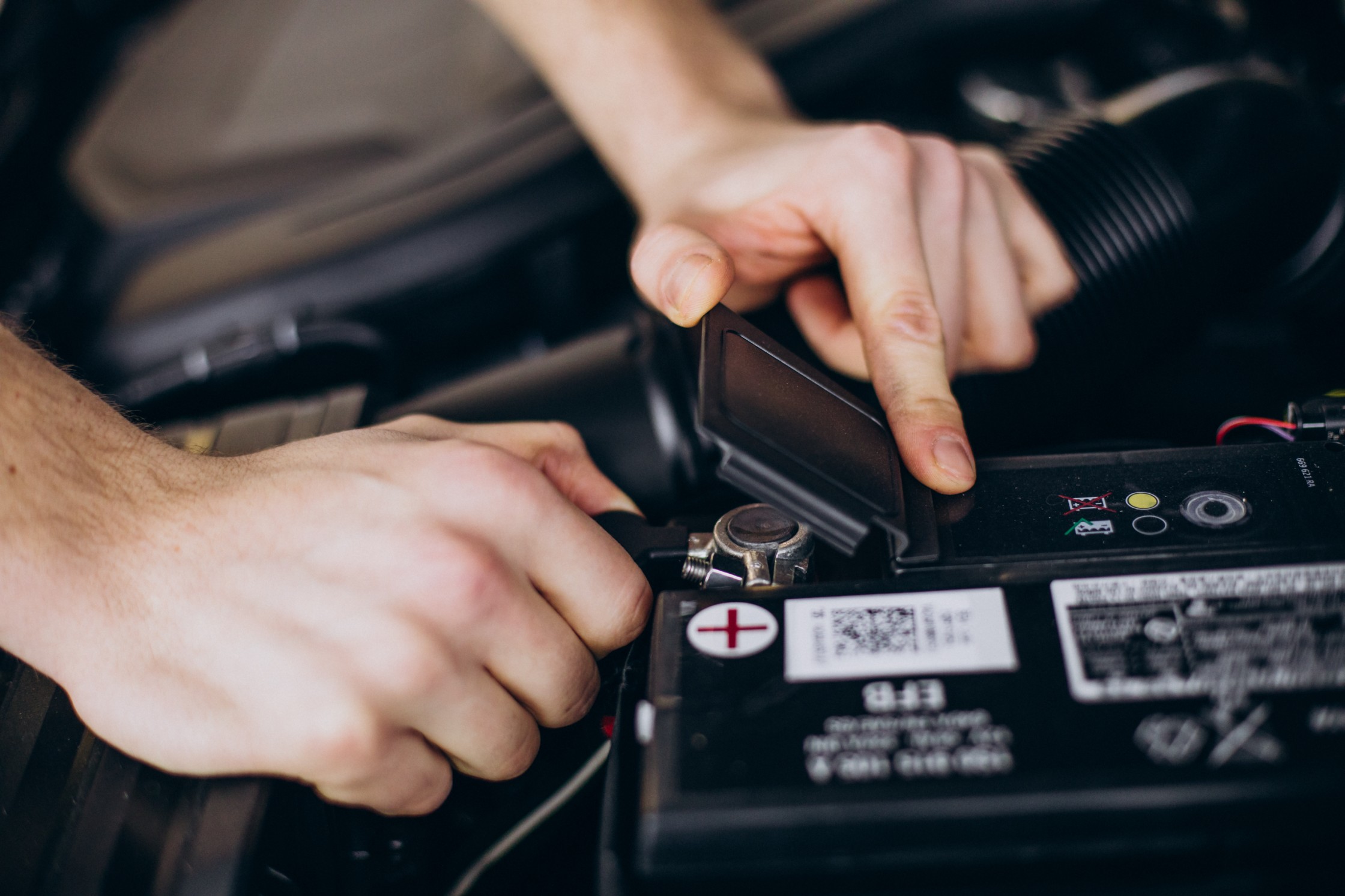
Batteries quietly power so much of our daily life. From vehicles and tools to backup systems and essential equipment, we rely on them without giving much thought to how they work or how long they last. Most people only think about a battery when it stops working. The good news is that with the right care and habits, you can significantly extend the life of your batteries and avoid unnecessary replacements.
This guide breaks down expert backed tips in a simple and practical way so anyone can follow them without technical knowledge.
Why battery lifespan matters
Replacing batteries can be expensive and inconvenient. A failing battery can disrupt work, delay schedules, and leave you stranded at the worst possible time. Beyond cost and convenience, old or poorly maintained batteries can also become safety risks due to leaks, overheating, or sudden failure.
Extending battery life is not about complex tools or advanced skills. It is about consistency, awareness, and a few smart habits that make a big difference over time.
Understand how batteries naturally wear out
All batteries degrade over time. This is a normal process caused by chemical reactions inside the battery. However, how fast this degradation happens depends largely on how the battery is used, stored, and maintained.
Frequent deep discharges, exposure to extreme temperatures, and neglect accelerate wear. On the other hand, moderate use, proper charging, and protection slow the aging process.
Knowing this helps set realistic expectations and encourages better care.
Charge your batteries the right way
Charging habits have one of the biggest impacts on battery lifespan.
Avoid letting batteries drain completely on a regular basis. Deep discharges put stress on the internal components and reduce capacity over time. Whenever possible, recharge before the battery reaches very low levels.
Overcharging is just as harmful. Leaving batteries connected to chargers long after they are full can cause heat buildup and internal damage. Use chargers designed for your battery type and unplug when charging is complete.
Slow and steady charging is often better than rapid charging. Fast chargers generate more heat, which shortens battery life when used frequently.
Protect batteries from extreme temperatures
Temperature plays a major role in battery health. Excessive heat accelerates chemical breakdown, while extreme cold reduces performance and can cause internal stress.
Keep batteries away from direct sunlight and heat sources. In hot environments, ensure proper ventilation around battery compartments. During cold conditions, avoid leaving batteries unused for long periods in freezing temperatures.
If possible, store batteries in a cool, dry place with stable temperatures. This alone can add months or even years to battery lifespan.
Keep batteries clean and secure
Dirt, corrosion, and loose connections reduce efficiency and increase wear. Periodically inspect battery terminals and surfaces for buildup. Clean terminals gently using appropriate tools and materials recommended for battery maintenance.
A secure battery is a healthy battery. Vibrations and movement cause internal damage over time. Using a battery lock helps keep the battery firmly in place, reducing stress from motion and preventing accidental disconnections.
For larger systems or vehicle batteries, a battery lock bar provides additional stability and physical protection, especially in environments with frequent movement or rough conditions.
Practice smart storage habits
If a battery will not be used for an extended period, proper storage is essential.
Store batteries partially charged rather than fully charged or completely empty. A moderate charge level helps preserve internal chemistry during storage.
Check stored batteries periodically and recharge them if needed. Long term neglect can lead to deep discharge and permanent damage.
Always store batteries in clean, dry areas away from moisture. Humidity encourages corrosion and electrical issues.
Avoid unnecessary strain during use
Using batteries within their intended capacity is critical. Overloading a battery by drawing more power than it is designed to handle causes overheating and rapid wear.
Match batteries to the correct equipment and avoid makeshift solutions. Using the wrong battery type can shorten lifespan and create safety risks.
Give batteries time to cool down after heavy use before recharging. Heat buildup combined with charging accelerates degradation.
Perform routine inspections
Regular checks help catch small issues before they become big problems.
Look for signs of swelling, leaks, or unusual odors. These indicate internal damage and mean the battery should be replaced immediately.
Check connections for tightness and cleanliness. Loose or corroded connections reduce efficiency and strain the battery.
Monitoring voltage levels over time can also reveal declining performance early, allowing for proactive replacement instead of sudden failure.
Do not ignore early warning signs
Batteries often show signs of trouble before they fail completely.
Slower starts in vehicles
Reduced runtime in equipment
Frequent need for recharging
Unusual heat during use or charging
Addressing these signs early can prevent complete failure and potential damage to connected systems.
Plan for replacement before failure
Even with perfect care, batteries eventually reach the end of their useful life. Keeping records of purchase dates and usage patterns helps you anticipate when replacement is needed.
Replacing a battery on your schedule is far better than dealing with an unexpected breakdown. Proactive planning saves time, stress, and often money.
Build better battery habits
Extending battery life is not about one single action. It is about a collection of small, consistent habits. Proper charging, temperature control, physical protection, and routine inspections all work together to keep batteries performing at their best.
When these habits become part of your routine, battery care feels effortless rather than burdensome.
Final thoughts
Batteries are essential but often underestimated components of modern life. Treating them with care pays off through longer lifespan, better performance, and fewer interruptions.
By following expert tips and staying mindful of how batteries are used and stored, you can significantly extend their life and get the most value from your investment. A well maintained battery is reliable, safe, and ready when you need it most.