Selecting the appropriate martial arts program for your teenager or young adult can significantly impact their physical development, mental discipline, and overall confidence. With numerous options available, parents often face challenges when trying to identify which training approach will best suit their child’s needs and learning style.
Benefits of Structured Martial Arts Training
Martial arts offer far more than self-defense techniques. Regular training builds character, improves focus, and teaches valuable life skills that extend beyond the dojo. Young practitioners develop discipline through consistent practice, learn respect for instructors and peers, and gain confidence as they master new techniques and earn higher belt rankings.
Physical benefits are equally impressive. Students improve their cardiovascular fitness, flexibility, coordination, and overall strength. The structured nature of martial arts training helps teenagers channel their energy productively while learning the importance of goal-setting and perseverance.
Group Classes vs. Individual Instruction
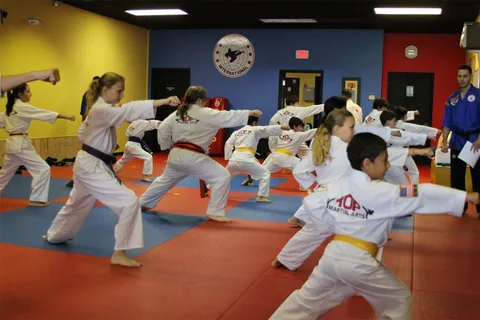
When exploring training options, parents should consider whether group sessions or private martial arts classes better align with their child’s personality and learning preferences. Group environments provide social interaction and the opportunity to train with peers of similar ages and skill levels. Students learn teamwork, develop friendships, and experience healthy competition that motivates them to improve.
However, individual instruction offers distinct advantages. Private karate classes allow instructors to customize the curriculum based on the student’s specific strengths, weaknesses, and goals. Shy or introverted teenagers may feel more comfortable learning at their own pace without the pressure of performing in front of classmates. This personalized approach often leads to faster skill development and deeper understanding of techniques.
What to Look for When Selecting a Training Facility
The quality of instruction matters more than fancy equipment or elaborate facilities. A reputable martial arts training academy Dubai should employ certified instructors with extensive experience teaching young people. Ask about instructor qualifications, teaching philosophy, and student-to-teacher ratios.
Safety protocols are paramount. The facility should maintain clean training areas, provide appropriate protective equipment, and enforce strict rules regarding sparring and contact drills. Observe a class before enrolling to assess how instructors manage the training environment and interact with students.
Consider the school’s approach to discipline and character development. Quality programs emphasize respect, self-control, and personal responsibility alongside physical techniques. Instructors should create a positive learning atmosphere that challenges students while providing encouragement and constructive feedback.
Age-Appropriate Training Programs
Teenagers have different physical capabilities and attention spans than younger children. The best martial arts classes in Dubai for teenage students recognize these developmental differences and adapt their curriculum accordingly. Programs should challenge teenagers physically while respecting their growing need for independence and personal expression.
Look for classes that incorporate age-appropriate techniques, conditioning exercises, and sparring opportunities. Teenagers benefit from training that prepares them for real-world situations while building practical self-defense skills. Programs should also address topics like conflict resolution, situational awareness, and personal safety.
Evaluating Different Martial Arts Styles
Various martial arts disciplines offer unique benefits. Karate emphasizes striking techniques, powerful stances, and kata (forms). Taekwondo focuses on high, fast kicks and dynamic movements. Brazilian Jiu-Jitsu teaches grappling, ground fighting, and submission techniques. Muay Thai develops striking skills using fists, elbows, knees, and shins.
Consider your teenager’s interests and physical attributes when selecting a style. Some students prefer the traditional aspects of classical martial arts, while others gravitate toward more modern, practical systems. Many facilities offer trial classes, allowing potential students to experience different styles before committing.
The Importance of Qualified Instruction
Quality instruction separates average programs from exceptional ones. A professional martial arts school in Dubai invests in ongoing instructor training and maintains high teaching standards. Instructors should demonstrate technical expertise, communicate effectively with teenagers, and model the behavior they expect from students.
Experienced teachers adapt their instruction to accommodate different learning styles and physical abilities. They challenge advanced students while ensuring beginners receive the foundational skills necessary for long-term success. The best instructors inspire students to push beyond their perceived limitations while maintaining a safe, supportive training environment.
Location and Scheduling Considerations
Practical considerations significantly impact long-term commitment. When searching for martial art classes in Dubai, consider proximity to your home or school. Convenient locations make regular attendance easier, especially when balancing training with academic responsibilities and other activities.
Schedule flexibility matters too. Quality programs offer multiple class times throughout the week, accommodating various family schedules and commitments. Some facilities provide makeup classes when students miss sessions due to illness or other obligations.
Making Your Decision
Before enrolling, visit potential training facilities, speak with instructors, and watch classes at different times. A reputable martial arts training center Dubai welcomes visitors and answers questions transparently. Trust your instincts—the right program will feel welcoming, organized, and focused on student development.
Consider starting with a trial period before making a long-term commitment. This approach allows your teenager to experience the training style, interact with instructors, and determine if the program aligns with their goals and expectations.
Investing time in research pays dividends. When you find the best martial arts classes in Dubai that match your child’s needs, you’re providing more than just physical training—you’re offering tools for personal growth, self-confidence, and lifelong wellness. The right program will challenge your teenager, foster their development, and instill values that serve them throughout their life.
Read more exciting blogs on quantirum.com