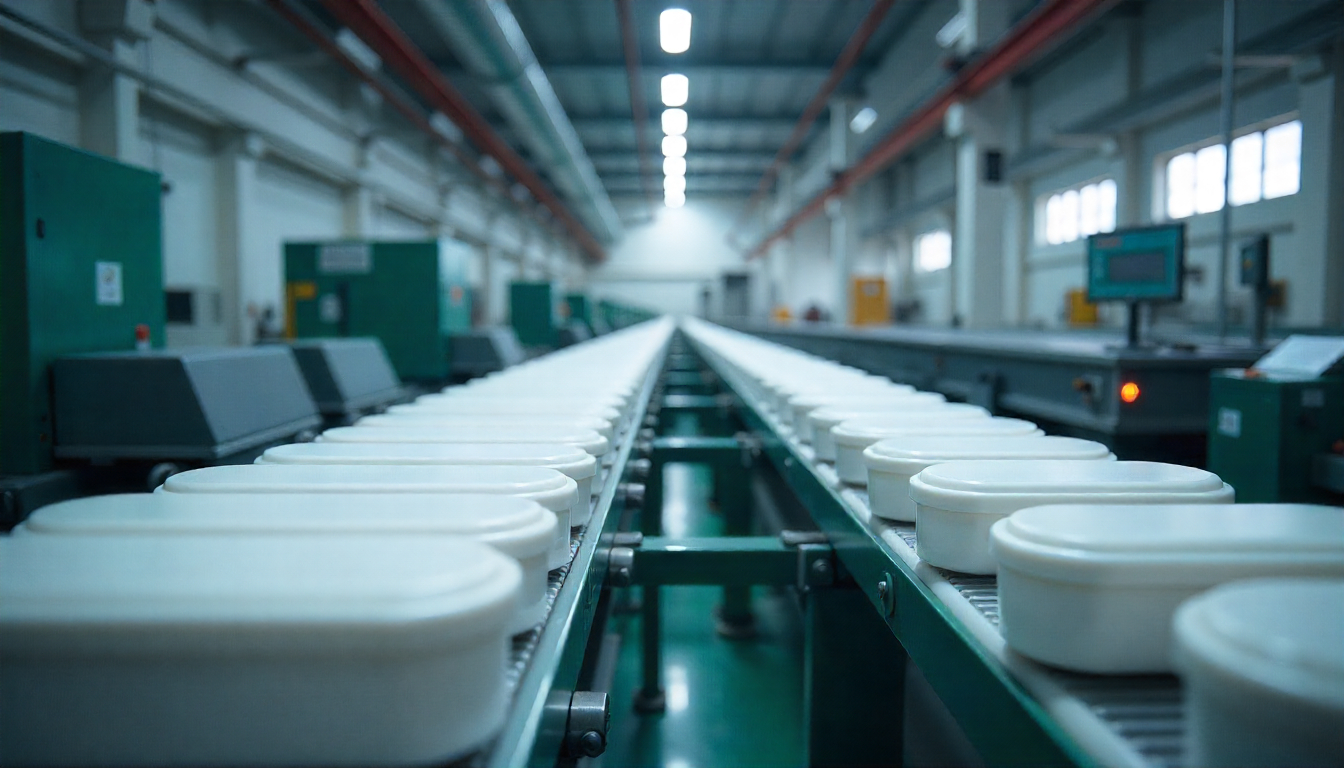
Walk through any active plastic manufacturing facility and one pattern stands out quickly. Rows of containers move steadily along conveyors. Molds open and close without pause. Operators watch control screens instead of stopping machines. At the center of this calm and controlled motion stand extrusion blow molding machines, guided by integrated computer operating systems that keep every step aligned.
Factories across packaging, chemicals, food storage, and industrial supply depend on these systems every day. This reliance does not happen randomly. It grows from years of proven performance, predictable output, and steady control inside real production environments.
This article explains why extrusion blow molding machines remain a trusted choice inside modern factories and how computer based control helps keep daily production stable.
What Makes Extrusion Blow Molding Machines a Core Part of Factory Operations
Extrusion blow molding machines create hollow plastic products through a continuous forming process. Melted plastic moves forward without interruption while molds shape the product through air pressure and cooling.
Modern machines operate through built in computer operating systems that manage heating zones, screw speed, air pressure, and cooling time. Instead of manual adjustments, operators enter values through touch panels and the system maintains balance automatically.
Factories prefer this approach because production does not pause between cycles. Material flow stays constant. Heat remains balanced. Output follows a predictable rhythm that teams can manage across long shifts.
How Continuous Production Supports High-Volume Demand
Large manufacturing plants rarely stop machines once operations begin. Extrusion blow molding machines support this need through uninterrupted material movement guided by programmable operating systems.
Plastic pellets feed into the barrel and melt under controlled heat. The molten plastic forms a tube that drops smoothly between mold halves. Air expands the tube into shape. Cooling locks the structure. The mold opens and the next cycle begins immediately.
Computer systems record cycle timing and adjust parameters automatically, helping factories maintain:
• Consistent hourly output
• Reduced startup losses
• Fewer thermal shocks inside the barrel
Factories that supply bottles or containers at scale depend on this rhythm to meet contracts without delays.
Why Factories Value Predictable Quality Control
Quality control inside real factories must happen during production rather than after mistakes pile up. Extrusion blow molding machines allow operators to monitor wall thickness, air pressure, temperature, and cooling speed through centralized computer dashboards.
Sensors send live feedback into the operating system. When small changes appear, corrections happen instantly without stopping the line. This direct control reduces rejected products and prevents large material losses.
Production teams value machines that allow correction during operation rather than waiting for full inspection later.
How Material Efficiency Improves Through Digital Control
Plastic waste creates cost pressure and storage issues inside plants. Extrusion blow molding machines reduce waste through controlled parison formation managed by software driven control systems.
Computer operating systems adjust material flow in real time. Thickness stays balanced across the container surface. Trimming waste stays minimal. Reprocessed scrap often returns into the production stream with tracked ratios.
Factories that operate long shifts benefit from this efficiency since waste volume stays predictable instead of rising unexpectedly.
Why These Machines Fit Multiple Product Types
One reason factories rely on extrusion blow molding machines lies in product flexibility. Digital control systems allow quick parameter changes without mechanical overhaul.
The same machine can produce small consumer bottles in one shift and large industrial containers in another. Mold changes combined with system presets allow fast transitions.
Production planners prefer machines that adapt through software rather than restrict product options.
How Computer Operating Systems Support Labor Stability
Modern factories face skill gaps and labor turnover. Extrusion blow molding machines support stable operation through computer operating systems that reduce manual handling and guesswork.
Operators follow on screen prompts. Alerts signal deviations early. Historical data helps new staff understand normal operation faster.
Factories gain smoother shift transitions since machine behavior stays consistent even as operators change.
Why Energy Balance Matters Inside Long Production Shifts
Energy usage plays a major role in factory cost planning. Extrusion blow molding machines operate under steady heat conditions managed by intelligent operating systems rather than frequent heating and cooling cycles.
These systems regulate power distribution across heating zones and reduce energy spikes. Machines run efficiently during extended production windows without unnecessary strain on electrical systems.
How Maintenance Becomes Predictable Through System Data
Factories rely on equipment that signals wear before failure occurs. Modern extrusion blow molding machines log operating hours, pressure cycles, and temperature history through their control systems.
Maintenance teams use this data to plan service intervals accurately. Parts wear evenly. Unexpected shutdowns drop.
This predictability builds trust across production management and technical teams.
Real Factory Example One
A packaging plant producing detergent bottles struggled with uneven wall thickness during peak demand periods. System data revealed temperature drift near the die head. After stabilizing values through the control interface, output normalized without slowing production.
The plant maintained daily targets without extended downtime.
Real Factory Example Two
An industrial container manufacturer faced rising scrap levels during overnight shifts. The computer system flagged pressure inconsistency during mold inflation. Fine tuning air profiles restored quality while keeping machines running.
Waste dropped and shift confidence improved.
DID YOU KNOW?
Factories using computer controlled extrusion blow molding systems often reduce material waste by over ten percent through precise parison monitoring and automatic adjustment during long shifts.
Comparison Table: Traditional Operation vs Computer-Controlled Extrusion Blow Molding Machines
| Area of Operation | Traditional Blow Molding Operation | Computer-Controlled Extrusion Blow Molding Machines |
|---|---|---|
| Process Control | Operators rely heavily on manual adjustments and experience during production runs | Computer operating systems manage temperature pressure and timing automatically with live feedback |
| Material Flow | Plastic flow can vary during long shifts which may lead to thickness inconsistency | Software controlled screw speed and parison control keep material flow stable throughout the shift |
| Quality Consistency | Product quality depends on frequent manual checks and trial corrections | Sensors and control systems monitor quality in real time and correct deviations instantly |
| Waste Management | Higher chances of scrap generation during startup and setting changes | Reduced waste because parameters remain balanced and adjustments happen during operation |
| Operator Dependency | Requires highly skilled operators to maintain steady output | Easier operation as systems guide operators through preset production settings |
| Energy Usage | Energy consumption fluctuates due to repeated heating and cooling cycles | Balanced energy use through steady heat control managed by the operating system |
| Maintenance Planning | Maintenance often reacts after performance issues appear | System data helps plan maintenance before failures occur |
| Production Stability | Output may vary between shifts or operator changes | Stable output across shifts because the computer system maintains consistent machine behavior |
Why Extrusion Blow Molding Machines Remain a Factory Standard
Factories rely on systems that behave predictably under pressure. Extrusion blow molding machines combined with advanced computer operating systems offer steady output, manageable waste levels, flexible product handling, and clear maintenance planning.
These strengths explain why production managers continue trusting this technology year after year.
Conclusion: Why Factories Continue Choosing Extrusion Blow Molding Machines Today
Factories depend on stability more than speed alone. Extrusion blow molding machines deliver controlled production through continuous material flow, balanced heat management, and computer guided operation. Integrated operating systems help teams maintain quality while meeting demanding output targets during long shifts.
When production lines remain active without frequent stoppages, factories protect both schedules and budgets. Predictable maintenance, adaptable product capability, and digital monitoring strengthen confidence across operations.
For many manufacturing environments, extrusion blow molding machines remain not just equipment but a dependable backbone for modern plastic production.
Visit for news and updates at quantirum.com