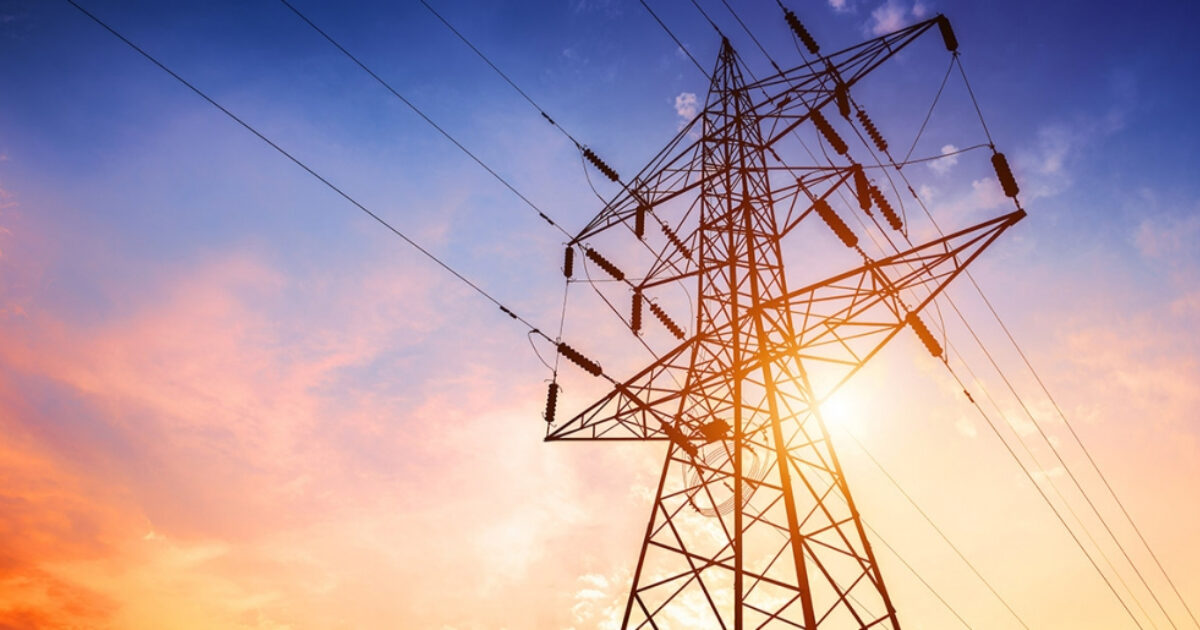
The global energy landscape is undergoing a profound transformation. As electricity demand rises, renewable energy projects expand, and digital technologies mature, traditional power infrastructure is being pushed to its limits. At the centre of this shift lies electric power distribution-the critical final stage that delivers electricity from substations to homes, industries, and commercial facilities.
To meet modern energy challenges, utilities and EPC players are increasingly adopting smart grids, a next-generation approach that blends power engineering with digital intelligence. These intelligent networks are redefining how power transmission & distribution systems operate, making them more resilient, efficient, and future-ready.
Understanding the Role of Electric Power Distribution
Electric power distribution is the backbone of the energy ecosystem. While power generation often captures attention, it is the distribution network that determines how reliably electricity reaches end users. Distribution systems include substations, feeders, transformers, switchgear, and control systems operating at medium and low voltage levels.
Traditional distribution networks were designed for one-way power flow-from centralised generation plants to consumers. However, the rapid rise of renewable energy, electric vehicles, distributed generation, and smart appliances has introduced complexity that legacy systems struggle to manage.
This is where smart grids are changing the rules.
What Makes a Grid “Smart”?
A smart grid integrates digital communication, automation, sensors, and data analytics into conventional power infrastructure. Unlike traditional systems, smart grids enable two-way communication between utilities and consumers, allowing real-time monitoring and control of electric power distribution networks.
Key components of smart grids include:
-
Advanced metering infrastructure (AMI)
-
Intelligent substations
-
Supervisory Control and Data Acquisition (SCADA)
-
Distribution Management Systems (DMS)
-
IoT sensors and predictive analytics
Together, these technologies bring visibility, adaptability, and intelligence to power transmission & distribution systems.
Enhancing Reliability and Reducing Power Losses
One of the biggest advantages of smart grids is improved reliability. In conventional electric power distribution systems, faults are often detected only after outages occur. Restoration can take hours due to limited network visibility.
Smart grids enable:
-
Real-time fault detection and isolation
-
Automated rerouting of power
-
Faster outage restoration
By identifying inefficiencies and overloaded assets early, utilities can significantly reduce technical and commercial losses. This leads to more stable supply, lower operational costs, and improved consumer satisfaction.
Enabling Renewable Energy Integration
The growth of renewable energy projects-especially solar and wind-has transformed how electricity flows across the grid. Unlike conventional power plants, renewable sources are decentralised and intermittent, creating voltage fluctuations and grid stability concerns.
Smart grids address these challenges by:
-
Managing variable power flows dynamically
-
Balancing supply and demand in real time
-
Supporting distributed energy resources like rooftop solar and battery storage
Through advanced control systems and digital substations, electric power distribution networks can seamlessly absorb renewable energy without compromising reliability. This capability is essential for accelerating the clean energy transition.
Strengthening Power Transmission & Distribution Efficiency
Power transmission & distribution systems must operate in harmony to ensure energy reaches end users efficiently. Smart grids improve coordination between transmission and distribution layers by sharing data across the network.
This integration allows:
-
Better load forecasting
-
Optimised asset utilisation
-
Predictive maintenance of transformers and switchgear
As a result, utilities can extend equipment life, avoid unplanned outages, and make informed infrastructure investment decisions.

Supporting Industrial Growth and Urbanisation
Rapid urbanisation and industrial expansion place immense pressure on electric power distribution networks. Manufacturing hubs, data centres, metros, and smart cities demand high-quality, uninterrupted power.
Smart grids offer scalable solutions that adapt to growing demand by:
-
Dynamically managing peak loads
-
Improving voltage regulation
-
Supporting critical infrastructure with redundancy
For EPC companies and infrastructure developers, smart grid deployment represents a strategic opportunity to future-proof distribution networks for economic growth.
Improving Safety and Operational Visibility
Safety is a major concern in electric power distribution. Manual inspections and reactive maintenance increase risks for field personnel and consumers alike.
Smart grids enhance safety by:
-
Enabling remote monitoring and control
-
Reducing manual intervention
-
Detecting abnormal conditions early
With real-time data available through digital dashboards, operators gain complete visibility across substations, feeders, and end-user connections.
Data-Driven Decision Making in Distribution Networks
One of the most transformative aspects of smart grids is data. Millions of data points generated across the network help utilities move from reactive operations to proactive planning.
Data analytics enables:
-
Demand forecasting
-
Load balancing
-
Energy theft detection
-
Asset health monitoring
This intelligence turns electric power distribution from a static system into a continuously improving digital ecosystem.
The Role of EPC Expertise in Smart Grid Deployment
Building smart electric power distribution networks requires deep expertise in engineering, automation, and system integration. EPC companies play a critical role in designing, executing, and commissioning intelligent substations, SCADA systems, and grid modernisation projects.
Experience in power transmission & distribution, combined with an understanding of renewable energy integration, ensures that smart grid projects deliver long-term value rather than short-term upgrades.
Shaping the Future of Intelligent Power Networks
As India and global markets invest heavily in modernising electric power distribution infrastructure, partnering with experienced EPC leaders becomes essential. Hartek Group is actively contributing to the evolution of smart grids by delivering advanced power transmission & distribution solutions and supporting large-scale renewable energy projects across the country.
Frequently Asked Questions (FAQs)
1. What is electric power distribution?
Electric power distribution refers to the network that delivers electricity from substations to end consumers through medium- and low-voltage systems.
2. How do smart grids improve electric power distribution?
Smart grids use automation, sensors, and data analytics to enhance reliability, reduce losses, and enable real-time monitoring of distribution networks.
3. Why are smart grids important for renewable energy?
Smart grids help manage variable power generation from renewable energy sources, ensuring grid stability and efficient integration of solar and wind projects.
4. What is the difference between power transmission & distribution?
Power transmission moves electricity over long distances at high voltage, while distribution delivers it locally at lower voltages to consumers.
5. Are smart grids suitable for developing economies?
Yes. Smart grids improve efficiency, reduce losses, and support renewable energy adoption, making them highly valuable for fast-growing economies.