Life transitions — from hospitalization, health events, caregiver changes, or uncertainty about long-term plans — can leave seniors and families feeling overwhelmed. Short-term stays provide a supportive bridge during these times, offering a temporary, structured living experience that helps seniors adjust physically, emotionally, and socially while families make thoughtful decisions about future care.
In this blog, we’ll explore how short-term stays ease the transition to permanent residency and support a smooth, confident journey toward long-term care.
What Is a Short-Term Stay?
A short-term stay — sometimes called respite care, transitional care, or trial residency — refers to a temporary stay within a senior living community. These stays are designed to provide structured support during recovery, caregiver absence, or periods of change, without requiring a long-term commitment.
Short-term stays give seniors time to experience community living, access care services, and regain strength before deciding on permanent residency.
Offering Time and Space to Evaluate Options
One of the greatest challenges families face is making decisions under pressure. Short-term stays remove the urgency by creating a structured, supportive period during which families can observe care needs, evaluate community fit, and weigh options for the future.
Rather than committing immediately to a long-term arrangement, families gain clarity — supported by professional guidance — on what level of care will best suit a loved one’s needs.
Reducing Stress During Health Transitions
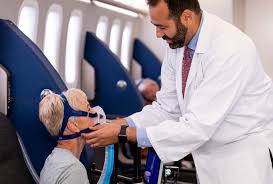
Health events such as hospitalization or surgery often leave seniors needing extra support before returning home. Short-term stays provide medical oversight, therapy services, medication management, and recovery assistance in a safe, supervised environment.
This transitional support reduces the risk of readmission and helps seniors regain stability before moving forward with long-term care decisions.
Easing Emotional Adjustment
Transitions — even positive ones — can be emotionally challenging. Short-term stays allow seniors to adjust gradually to community life, staff support, routines, and peers. This easing in helps reduce anxiety, confusion, and resistance that can sometimes accompany immediate, longer-term placements.
A comfortable, transitional introduction fosters familiarity and confidence.
Providing Social Engagement and Routine
Short-term stays introduce seniors to communal activities, shared dining, social events, and daily routines familiar to permanent residents. This exposure helps individuals feel connected, understand pacing, and integrate into community life at their own pace.
Social engagement supports emotional health and helps seniors visualize a fulfilling long-term living experience.
Supporting Physical Recovery and Strength
Many short-term stays include physical and occupational therapy that helps residents rebuild strength, balance, and confidence. These therapies not only support recovery, but also prepare seniors to engage more fully in daily life — whether that continues at home or transitions to permanent care.
Physical improvement during a short-term stay can be an encouraging sign for families considering long-term options.
Encouraging Independence Within a Supportive Framework
Short-term stays strike an important balance between independence and support. Residents receive help when needed — but are still encouraged to do as much as they can on their own.
This supportive independence builds confidence and allows seniors to maintain dignity while learning new routines.
Offering Respite for Family Caregivers
Family caregivers often shoulder the emotional and physical demands of care. A short-term stay provides respite — time away from caregiving responsibilities to rest, attend to personal needs, or plan future care decisions.
This relief strengthens family relationships and supports better long-term planning.
Facilitating Smooth Permanent Transitions
When a short-term stay leads to permanent residency, the transition is often smoother. Seniors already know the environment, staff are familiar with individual preferences and needs, and families feel confident in their choice.
This continuity helps seniors settle more quickly and comfortably into long-term life in the community.
Final Thoughts
Short-term stays ease the transition to permanent residency by offering structured support, recovery services, emotional adjustment, family respite, and a chance to evaluate future care needs without pressure. These stays create a bridge that supports confidence, clarity, and well-being as families plan next steps. For families seeking compassionate transitional care in Tuscaloosa that thoughtfully supports movement toward long-term residence, Riverwood Retirement Community offers short-term stays designed to empower seniors, support recovery, and ensure peaceful transitions into permanent living.