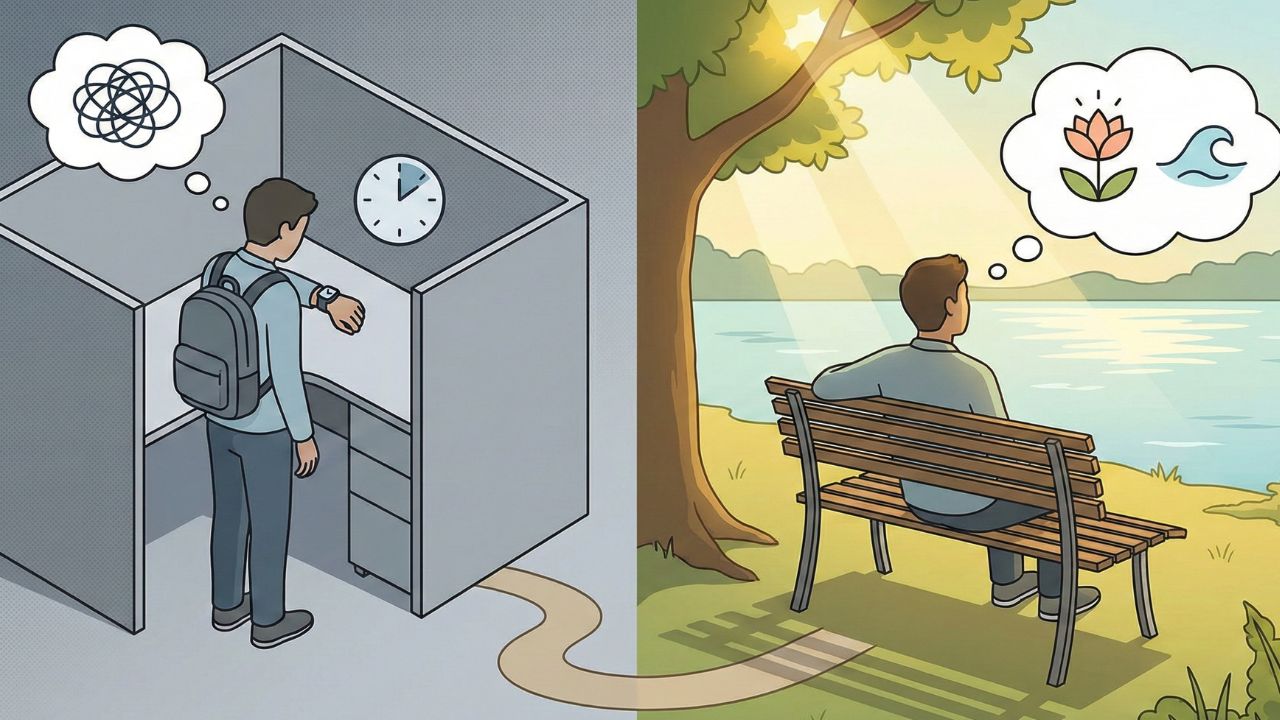
Short outdoor practices can reduce daily stress by helping the mind slow down, the body relax, and attention return to the present moment. Even a few minutes outside standing under a tree, walking slowly, or feeling fresh air on your face can shift your nervous system out of constant alert. These simple moments remind us that stress is not only a mental issue but also a physical and emotional response shaped by how we live each day.
Many people think stress relief needs long holidays, gym routines, or complex techniques. In reality, small outdoor practices done regularly can be just as powerful. They work because humans are not separate from nature. We are part of it, whether we notice it or not.
Why Daily Stress Builds Up So Quickly
Daily stress often comes from repetition rather than big events. Screens, noise, tight schedules, and indoor work slowly overload the senses. Over time, the body stays tense even when there is no real danger.
Common signs of daily stress include:
- Restlessness or constant worrying
- Tight shoulders, jaw, or neck
- Trouble focusing
- Feeling emotionally flat or easily irritated
Short outdoor practices help because they interrupt this pattern. They do not add another task to your to-do list. Instead, they remove pressure by creating space.
How Short Outdoor Practices Work on the Body and Mind
When you step outside with awareness, your body begins to respond almost immediately. Breathing deepens. Muscles soften. Attention widens beyond thoughts.
These changes happen because outdoor practices support four simple human needs:
- Awareness: Noticing what is actually happening around you
- Embodiment: Feeling sensations in the body instead of living only in the head
- Feeling: Allowing emotions like calm, gratitude, or even sadness to be present
- Reciprocity: Remembering that you are in a relationship with the place you are in, not just using it
Together, these elements help stress release naturally, without force.
Short Outdoor Practices That Reduce Stress
You do not need special equipment or a perfect location. A balcony, sidewalk, park, or quiet street can work. What matters is how you show up.
1. One-Minute Grounding Pause
This practice is simple but effective.
- Stand still outdoors
- Feel both feet touching the ground
- Notice your weight shifting slightly
- Take three slow breaths
This brings attention into the body. Even one minute can calm racing thoughts.
2. Slow Walking with Attention
Walking slowly changes how the nervous system responds.
- Walk at half your usual speed
- Feel each step from heel to toe
- Notice sounds, light, or movement around you
This is not exercise. It is a way of letting the body lead and the mind follow.
How Short Outdoor Practices Reduce Mental Overload
Stress often feels like too many thoughts happening at once. Outdoor practices help by narrowing focus gently, not forcefully.
When you pay attention to:
- The sound of leaves
- The feeling of wind
- The rhythm of your steps
The mind naturally quiets. You are not trying to stop thoughts. You are giving attention something real to rest on.
Emotional Benefits of Brief Outdoor Time
Short outdoor practices also support emotional balance. Many people feel pressured to stay positive all the time. Outdoors, emotions are allowed to be honest.
You might notice:
- Relief after a hard day
- Gratitude for small details
- Sadness that finally has space to breathe
This emotional openness reduces stress because nothing is being pushed away.
Why Consistency Matters More Than Duration
Ten minutes every day is often more helpful than one long session a week. Short practices fit into real life. They can happen:
- Before work
- During a lunch break
- After school or college
- In the evening
Consistency teaches the body that rest is allowed, even on busy days.
How Short Outdoor Practices Build Long-Term Resilience
Over time, these small moments change how you respond to stress.
Benefits include:
- Faster recovery after stressful events
- Better sleep patterns
- Improved focus
- A stronger sense of belonging
Stress does not disappear, but it stops controlling everything.
Read Also: Mindfulness Practices for Teachers to Reduce Stress
Making Outdoor Practices Part of Your Routine
The easiest way to start is to attach the practice to something you already do.
Examples:
- Step outside after waking up
- Walk slowly after meals
- Pause outdoors before checking your phone
You do not need to feel calm for the practice to work. Just showing up is enough.
A Gentle Reminder About Technology and Support
Some people find it helpful to have light guidance while practicing outdoors, especially when starting. Tools that encourage slow, mindful movement can support consistency without distraction.
If you want structured support, you might explore a walking meditation app like Rewyld, which is designed to guide short outdoor practices with care and respect for nature. It can help you stay present while walking, without turning the experience into another task to complete.
Download Rewyld App From Here:
- Android App: Rewyld – Walking Meditation Android App
- IOS App: Rewyld – Walking Meditation IOS App
Final Thoughts: Stress Relief Through Small, Real Moments
Short outdoor practices reduce daily stress because they work with the body, not against it. They do not demand change or improvement. They offer recognition of breath, ground, feeling, and place.
You do not need to escape your life to feel better. Step outside. Feel your feet. Notice what is already here. These small moments, repeated often, quietly restore balance and calm.