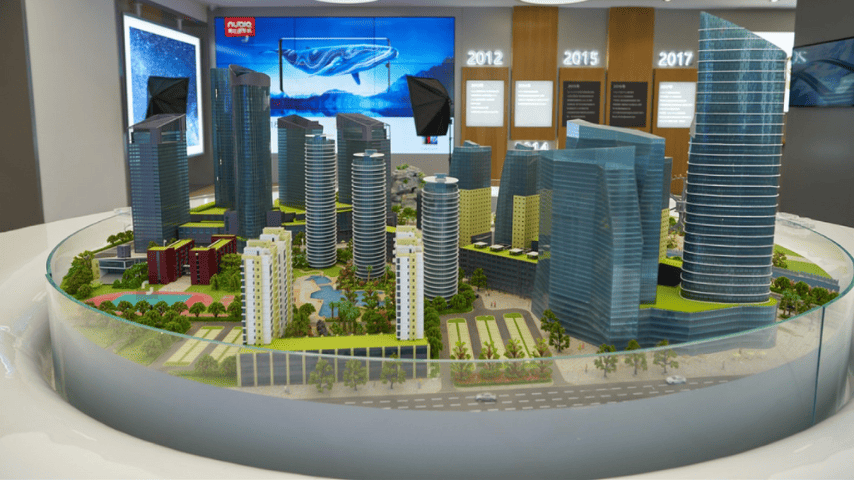
Scale models instantly communicate quality. In luxury real estate, buyers often judge value before they analyze numbers. A finely crafted physical model signals that the developer has invested time, skill, and attention into every aspect of the project. When buyers see precision, clean finishes, and accurate proportions, they subconsciously associate the same level of care with the actual property.
Architectural scale models help transform an abstract concept into a tangible object, reinforcing the idea that the project is already refined and well considered rather than speculative or unfinished. This first impression plays a major role in elevating perceived value during early sales discussions.
Making Complex Designs Easy to Understand
Luxury properties often involve layered layouts, unique geometries, and advanced spatial planning. Floor plans and digital visuals can overwhelm buyers who are not trained to read technical drawings. A scale model simplifies complexity by presenting the entire development in one clear view. Buyers can immediately understand massing, orientation, and relationships between spaces.
When understanding increases, hesitation decreases. Clear comprehension leads buyers to feel more confident, and confidence directly influences how much value they assign to a property. Architectural scale models reduce confusion and replace it with clarity, which is essential in premium decision making.
Strengthening Emotional Connection and Desire
Luxury purchases are driven by emotion as much as logic. A physical model creates a stronger emotional response than screens or brochures. Buyers can walk around it, lean in, and imagine themselves within the spaces.
This physical engagement makes the experience personal and memorable. Emotional attachment raises perceived worth because buyers begin to see the property as part of their future lifestyle rather than just a transaction. When presentation environments are calm and private, architectural scale models Dubai become focal points that support storytelling and aspiration, both of which are critical in luxury sales.
Demonstrating Exclusivity and Attention to Detail
High end buyers expect exclusivity. A bespoke model designed specifically for one project reinforces the idea that the development is unique and limited. Details such as landscaping, lighting, facade textures, and contextual surroundings communicate refinement.
When buyers notice these details, they assume similar care has been applied to materials, finishes, and construction quality. Architectural scale models allow developers to showcase features that may not stand out in renderings, such as spatial hierarchy or privacy buffers, which further enhance the perception of exclusivity and long term value.
Supporting Premium Pricing Justification
Luxury pricing must feel justified, not explained. A well executed model visually supports the price point without heavy sales language. Buyers can see scale, proportions, and planning logic, which makes higher prices feel reasonable.
When a buyer understands why a property is positioned a certain way, how views are protected, or how circulation is optimized, the price becomes easier to accept. Architectural scale models act as silent negotiators, reinforcing value through visual evidence rather than persuasion.
Enhancing Trust in Off Plan Luxury Sales
Many luxury developments are sold before construction is complete. This creates uncertainty, even for experienced investors. A detailed physical model reduces perceived risk by showing that the project is fully planned and coordinated.
Buyers trust what they can see and touch more than what they imagine. When trust increases, perceived value rises because buyers feel secure about timelines, outcomes, and quality. The model becomes a reassurance tool, bridging the gap between promise and delivery.
Improving Engagement During Private Sales Presentations
Luxury sales often happen in private settings rather than public showrooms. In these environments, scale models become conversation anchors. They encourage dialogue, questions, and deeper exploration of the project.
This interactive dynamic allows sales teams to explain features naturally and respond to buyer interests in real time. The more engaged the buyer becomes, the more time they invest mentally in the property. Time and attention are closely linked to perceived value, especially in high end markets.
Positioning the Development as a Long Term Asset
Luxury buyers think beyond immediate ownership. They consider resale potential, legacy value, and long term relevance. A scale model helps communicate how the development fits into its wider context, including surrounding infrastructure and future growth.
When buyers see thoughtful integration and strong positioning, they perceive the property as a stable and valuable asset. This broader understanding elevates value beyond aesthetics and into strategic investment thinking.
Conclusion
Scale models enhance perceived property value not by exaggeration, but by experience. They clarify design intent, build trust, evoke emotion, and support pricing logic. In luxury sales, where perception often defines reality, the ability to physically demonstrate quality and vision becomes a decisive advantage. When buyers can clearly see and emotionally connect with a project, value is no longer questioned, it is assumed.