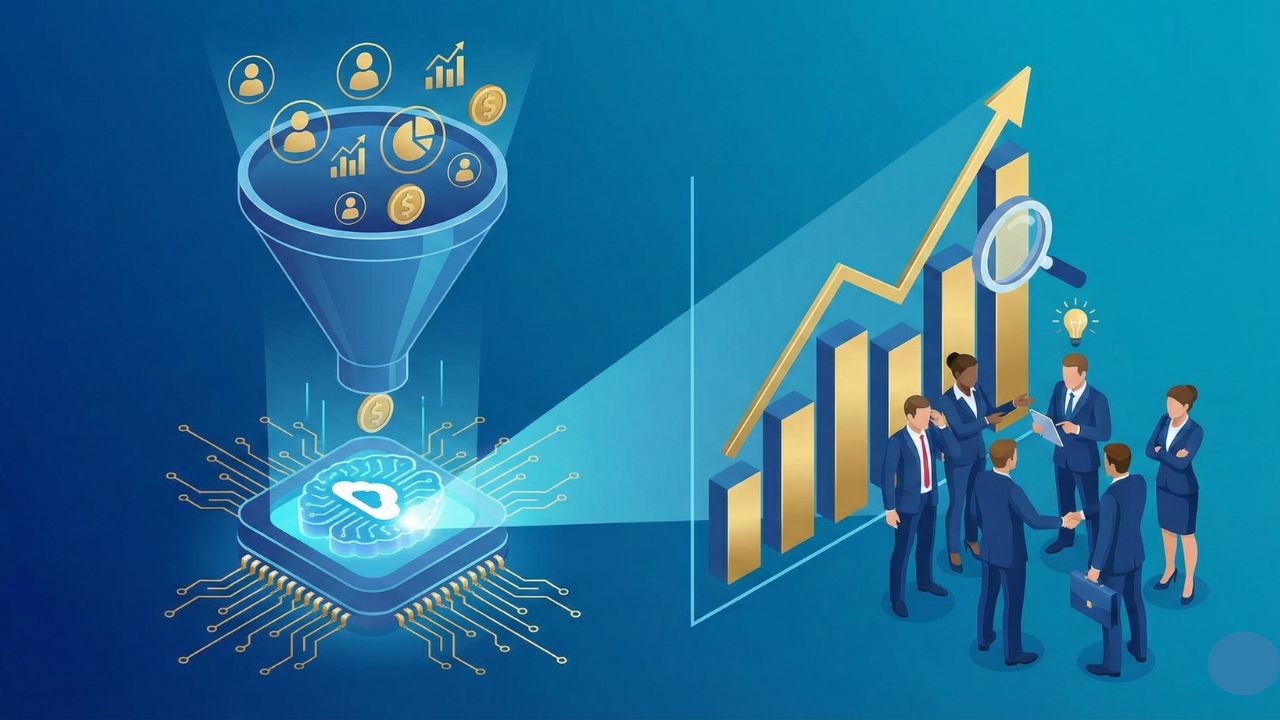
Sales teams generate a massive amount of data every day, from lead sources and deal stages to call logs and close rates. The challenge is not collecting information, but knowing what to do with it. Salesforce CRM Analytics helps sales leaders and teams turn everyday CRM data into clear insights that support better decisions, stronger pipelines, and more predictable revenue. Instead of relying on instinct or static reports, teams can see what is happening in real time and respond with confidence.
This article explains how analytics inside Salesforce supports smarter sales decisions, where traditional reporting falls short, and how teams can use insights to improve performance without adding complexity.
Understanding Salesforce CRM Analytics in a Sales Context
CRM analytics is not just about charts and dashboards. In a sales environment, it is about understanding behavior, timing, and patterns that influence revenue. Within the Salesforce ecosystem, analytics connects data from opportunities, leads, activities, and customer interactions to show what drives results.
Rather than exporting data into spreadsheets, sales teams work directly inside their CRM. Analytics becomes part of daily workflows, helping users answer practical questions like which deals need attention today or which leads are most likely to convert this quarter. By grounding decisions in data already captured in Salesforce, teams reduce guesswork and move faster.
Why Traditional Sales Reporting Falls Short
Many sales organizations still rely on basic reports that show totals and summaries. While these reports have value, they often fail to support real decision making.
Common limitations include:
- Reports that update too slowly to support daily actions
- Metrics that explain what happened but not why it happened
- Little visibility into deal quality or risk
Traditional reporting often looks backward. Sales leaders need insight into what is likely to happen next and where intervention will make a difference. Analytics fills this gap by adding context, trends, and predictive signals.
How Salesforce CRM Analytics Improves Sales Decision Making
At its core, analytics helps sales teams connect activity to outcomes. Instead of tracking dozens of disconnected metrics, teams focus on signals that matter.
With analytics, sales managers can:
- Identify patterns in won and lost deals
- See which pipeline stages slow deals down
- Understand which actions correlate with higher close rates
Used correctly, Salesforce CRM Analytics supports better prioritization. Decisions become based on evidence rather than habit, which is especially important in complex or high value sales cycles.
Using Data to Prioritize the Right Sales Opportunities
Not every lead or opportunity deserves the same level of effort. Analytics helps teams focus on work that drives revenue.
By analyzing historical data and current behavior, teams can:
- Score leads based on actual conversion trends
- Flag opportunities showing signs of risk
- Highlight deals with strong buying signals
This approach reduces wasted effort and helps reps spend time where it counts. Prioritization becomes dynamic rather than based on assumptions or outdated rules.
Improving Sales Forecast Accuracy With Analytics
Forecasting is one of the most challenging aspects of sales leadership. Many forecasts rely heavily on rep judgment, which can be optimistic or inconsistent.
Analytics improves forecast accuracy by combining:
- Historical performance data
- Pipeline velocity and stage duration
- Probability adjustments based on real outcomes
Instead of a single forecast number, leaders gain a clearer view of likely scenarios. This makes planning easier and reduces last minute surprises at the end of the quarter.
Empowering Sales Reps With Actionable Insights
Analytics is not just for leadership. When insights are designed well, sales reps benefit directly.
Reps can see:
- Which deals need immediate follow up
- Where prospects tend to stall
- What actions successful reps take differently
This guidance supports better daily decisions without micromanagement. Reps stay focused, confident, and aligned with team goals.
Aligning Sales and Marketing Through Shared Analytics
Misalignment between sales and marketing often comes from different views of performance. Analytics creates a shared source of truth.
With shared dashboards and metrics, teams can:
- Agree on lead quality standards
- Track how marketing efforts influence revenue
- Improve handoffs between teams
When both teams work from the same data, conversations shift from opinions to facts. This alignment leads to better collaboration and stronger results.
Read Also: Top 5 Reasons You Need a Salesforce Implementation Partner in Denver Right Now
Common Mistakes Teams Make With CRM Analytics
Analytics delivers value only when implemented thoughtfully. Many teams struggle not because of the tool, but because of how it is used.
Common mistakes include:
- Tracking too many metrics without clear purpose
- Ignoring data quality issues
- Rolling out dashboards without training users
Successful teams start with a few meaningful questions and build analytics around them. They also invest in clean data and user adoption, which are critical for long term success.
When to Consider Expert Support for CRM Analytics
Designing effective analytics requires both technical knowledge and sales expertise. Teams often benefit from guidance when setting up dashboards, defining metrics, or aligning analytics with revenue goals.
For organizations looking to turn insights into action, Salesforce CRM Analytics Services from OzaIntel can help ensure analytics supports real sales decisions rather than becoming another unused tool.
Measuring the Long Term Impact on Sales Performance
The real value of analytics shows over time. Instead of focusing only on short term gains, teams should measure long term improvements such as:
- More predictable revenue
- Higher rep productivity
- Faster deal cycles
These outcomes signal that analytics is influencing behavior and decision making, not just reporting numbers.
Conclusion
Smarter sales decisions come from clarity, not more data. When analytics is integrated into daily workflows and aligned with real goals, teams gain confidence in their choices. Salesforce CRM Analytics helps sales organizations move beyond static reports and make decisions grounded in evidence, insight, and timing. For teams ready to compete with focus and precision, analytics is no longer optional, it is essential.