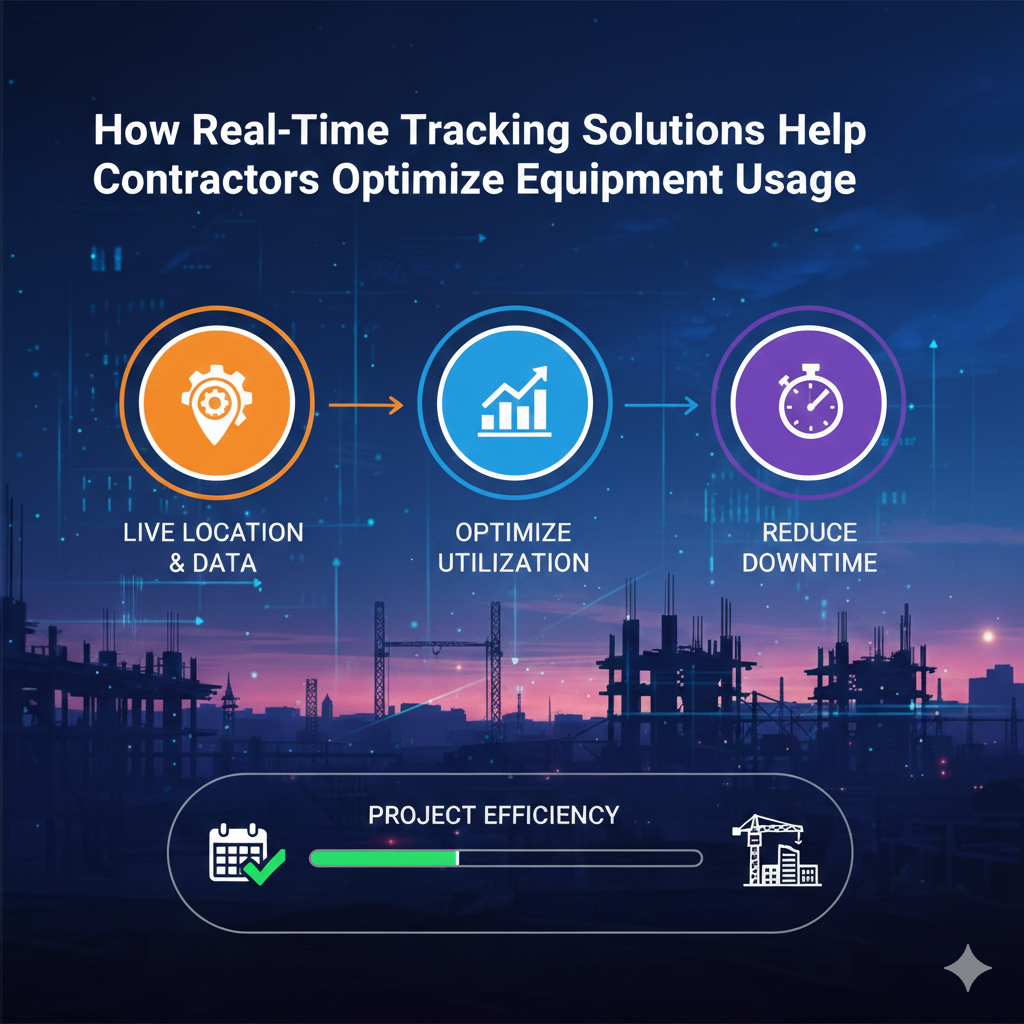
In the fast-paced world of construction, equipment plays a pivotal role in ensuring that projects are completed on time and within budget. However, managing and optimizing equipment usage can be a complex and challenging task. Contractors need to ensure that their fleet of machinery is not only well-maintained but also effectively utilized across various jobsites. Real-time tracking solutions, powered by construction equipment tracking software, are transforming the way contractors manage their assets. These systems allow for the efficient monitoring of equipment, ensuring that it is used effectively, safely, and at maximum productivity.
The Importance of Optimizing Equipment Usage
Construction projects often require a range of equipment, from cranes to bulldozers, all of which are vital for completing different aspects of a job. The challenge, however, is ensuring that each piece of equipment is being utilized properly. Underutilization can lead to unnecessary costs, while overutilization can increase wear and tear, leading to higher maintenance costs and potential breakdowns.
Efficient equipment usage means that contractors can maximize their return on investment, reduce downtime, and extend the life of their assets. Real-time tracking solutions address these issues by providing insights into equipment usage patterns, which in turn helps contractors make data-driven decisions for managing their fleet.
How Construction Equipment Tracking Software Works
Construction equipment tracking software uses a combination of GPS, sensors, and telematics to provide real-time data on equipment location, usage, and performance. These systems monitor various metrics, such as engine hours, fuel consumption, and maintenance needs, and relay this information to a centralized platform.
For contractors, this technology offers an immediate view of where their equipment is at any given moment. It also helps track how long each piece of equipment is being used and identifies when maintenance is due. These insights help ensure that assets are deployed effectively and are not sitting idle or being overused.
Key Benefits of Real-Time Tracking Solutions
Improved Asset Utilization
By monitoring equipment in real-time, contractors gain a clear view of their assets’ usage patterns. Equipment that sits idle for extended periods can be reallocated to other tasks, reducing downtime and increasing productivity. This information also helps contractors make decisions about which equipment to deploy, ensuring that the right assets are available for the job at hand.
Enhanced Equipment Maintenance
Maintenance is a significant cost for construction companies. Real-time tracking systems allow contractors to stay on top of maintenance schedules, reducing the risk of unexpected breakdowns. Construction equipment tracking software provides alerts for maintenance needs based on usage, so contractors can schedule servicing before issues arise. This proactive approach helps prevent costly repairs and extends the life of the equipment.
Reduced Operating Costs
By ensuring that equipment is only used when necessary and is properly maintained, real-time tracking solutions can help contractors reduce operating costs. Contractors can avoid unnecessary fuel consumption, ensure that equipment is running efficiently, and even optimize routes for equipment transportation, leading to fuel savings and reduced wear and tear.
Increased Accountability and Transparency
Real-time tracking systems provide a detailed history of each piece of equipment’s usage. This transparency helps improve accountability among equipment operators and can help prevent misuse. Managers can monitor equipment usage, ensuring that operators are following guidelines and using machinery responsibly.
Streamlined Equipment Scheduling
Coordinating equipment schedules across multiple jobsites can be a logistical challenge, especially when dealing with a large fleet. Real-time tracking software simplifies this process by offering an easy-to-use interface that allows managers to view equipment availability in real-time. This improves scheduling, ensuring that equipment is where it’s needed without unnecessary delays.
Safer Job Sites
Safety is a top priority on construction sites, and real-time tracking solutions contribute to a safer environment. By monitoring equipment performance, contractors can detect issues before they pose a risk to operators or other workers on-site. Additionally, equipment tracking allows for quick responses in case of an emergency, reducing the time needed to locate equipment or personnel in critical situations.
Improved Decision-Making
The data provided by construction equipment tracking software offers valuable insights into the performance and utilization of equipment. Contractors can analyze this data to make better decisions about fleet management, purchases, and asset allocation. By understanding which pieces of equipment are being used most frequently, contractors can invest in more of the assets that add the most value to their operations.
Minimized Theft and Loss
Equipment theft is a common problem in the construction industry. Real-time tracking solutions help mitigate this risk by offering geofencing features. If a piece of equipment moves outside a designated area, the system can send an alert to the contractor, allowing them to respond quickly and recover the equipment. GPS tracking also makes it easier to locate stolen equipment, significantly improving the chances of recovery.
Compliance and Reporting
Construction projects are subject to various regulations, and contractors must ensure that their equipment complies with safety standards. Real-time tracking systems help contractors stay compliant by monitoring equipment performance and usage against regulatory requirements. Additionally, these systems can generate reports for audits and inspections, simplifying the process of maintaining compliance.
Conclusion
In today’s competitive construction landscape, optimizing equipment usage is essential for maintaining profitability and productivity. Real-time tracking solutions powered by construction equipment tracking software offer contractors the tools they need to make informed decisions, improve asset utilization, and reduce operating costs. By providing valuable data on equipment performance, location, and maintenance needs, these systems enable construction companies to maximize the efficiency of their fleet and extend the life of their assets.
Adopting a real-time tracking system not only enhances equipment management but also improves safety, accountability, and overall job site performance. With the ability to monitor equipment in real time, contractors can proactively address maintenance issues, allocate resources efficiently, and ensure that their fleet is always ready for the next challenge. Investing in construction equipment tracking software is a forward-thinking decision that pays off in both the short and long term, helping contractors stay competitive and thrive in the fast-paced construction industry.