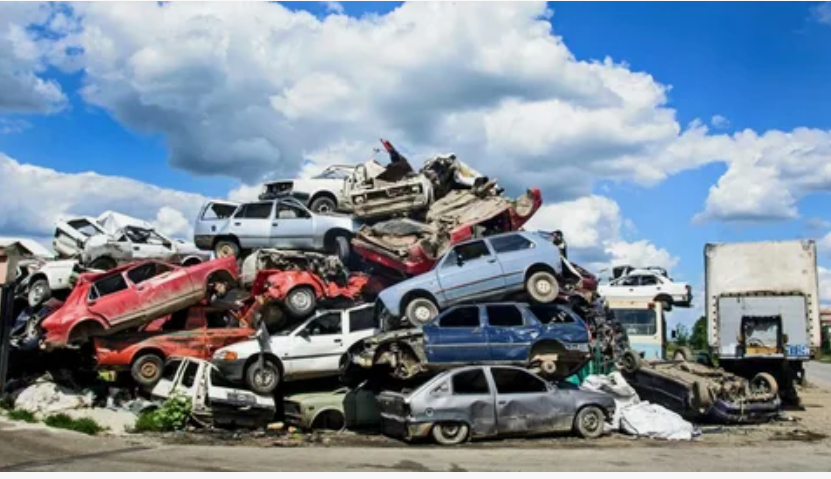
When a vehicle reaches the end of its road life, it doesn’t mean its value disappears. In fact, old vehicles play a critical role in the modern parts economy. Through structured dismantling, recycling, and redistribution processes, these vehicles are transformed into reliable components that support repairs, reduce manufacturing demand, and promote environmental responsibility. Understanding how this system works reveals why end-of-life vehicles are an essential asset rather than a liability.
The First Step: Collection and Responsible Removal
The journey of an old vehicle into the parts economy begins with professional collection and removal. Owners often choose licensed services that ensure compliance with environmental and safety regulations. At this stage, vehicles are transported to authorized facilities where they are assessed for condition and recovery potential. Services offering cash for scrap cars removal Adelaide operate within this framework, ensuring vehicles are handled legally while maximizing recovery value through systematic processing rather than informal disposal.
Initial Assessment and Vehicle Evaluation
Once at a dismantling facility, the vehicle undergoes a detailed inspection. Experts evaluate which components are reusable, refurbishable, or recyclable. Engines, transmissions, alternators, and electronic modules are assessed for performance viability. This technical evaluation is critical, as it ensures only safe and functional parts re-enter the market. Skilled technicians rely on industry experience and standardized testing methods, reinforcing trust and quality in the reused parts supply chain.
Dismantling: Precision Over Destruction
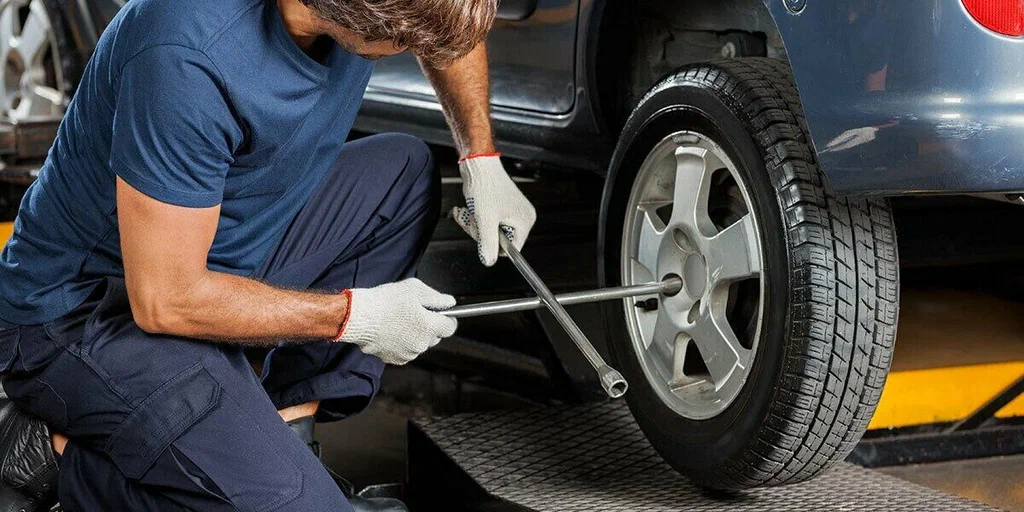
Contrary to popular belief, old vehicles are not simply crushed immediately. Dismantling is a methodical process where usable parts are carefully removed. Panels, interior components, suspension systems, and mechanical assemblies are separated with precision. This approach preserves part integrity and ensures compatibility for future use. The dismantling phase reflects expertise and accountability, both key elements in maintaining professional standards within the automotive recycling industry.
The Role of Technology in Modern Vehicle Recycling
Advancements in technology have further strengthened how old vehicles are reintegrated into the parts economy. Digital inventory systems now track recovered components with precision, recording compatibility, condition, and usage history. This transparency helps mechanics and buyers make informed decisions, reducing the risk associated with reused parts. Diagnostic tools and automation also improve testing accuracy, ensuring components meet performance standards before resale.
Supporting Affordable Vehicle Ownership
One of the most practical benefits of the parts economy is affordability. Reintroduced parts provide cost-effective repair options, especially for older or discontinued vehicle models where new parts are expensive or unavailable. This accessibility allows more people to maintain their vehicles safely and reliably, extending vehicle lifespans and reducing premature replacement. In this way, the parts economy supports both individual consumers and small automotive businesses.
Reducing Dependence on New Manufacturing
Every reused component reduces the demand for newly manufactured parts. This directly lowers energy consumption, raw material extraction, and industrial emissions associated with production. Over time, this reduced dependency contributes to a more balanced automotive supply chain. By valuing existing resources, the industry shifts toward a circular model where materials remain in use for as long as possible.
Refurbishment and Quality Control
Recovered parts rarely go straight to resale. Many undergo cleaning, minor repairs, or refurbishment to meet performance expectations. Components such as engines or gearboxes may be reconditioned, while electronic parts are tested for functionality. Quality control protocols ensure that parts meet safety and reliability benchmarks. This stage demonstrates experience and authority, as only trained professionals can certify parts suitable for reintroduction into active vehicles.
Integration Into the Secondary Parts Market
Once approved, parts are cataloged and distributed through wholesalers, repair shops, and online platforms. Mechanics and vehicle owners increasingly rely on recycled parts due to cost efficiency and availability. These components often come with warranties, further reinforcing trust. By supplying affordable alternatives to new manufacturing, the parts economy supports consumers while reducing pressure on raw material extraction and global supply chains.
Environmental and Economic Impact
Reintroducing old vehicle parts into circulation significantly reduces environmental harm. Recycling metals lowers energy consumption, while reusing components minimizes landfill waste. Economically, the parts economy creates skilled jobs across logistics, inspection, refurbishment, and sales. This closed-loop system aligns with sustainability goals while supporting local industries and consumers seeking practical automotive solutions.
Regulation, Compliance, and Industry Standards
The success of the parts economy depends on strict regulatory oversight. Licensed dismantlers must comply with environmental laws, hazardous material handling guidelines, and reporting requirements. Compliance builds public confidence and ensures ethical operations. Industry certifications and audits further establish credibility, making regulated facilities the backbone of a trustworthy vehicle recycling ecosystem.
Consumer Awareness and Responsible Choices
Vehicle owners play an important role by choosing authorized recycling services instead of unregulated alternatives. Responsible decisions ensure that vehicles contribute positively to the parts economy. In regions where services like unwanted car removal Adelaide operate within legal frameworks, consumers benefit from fair value while supporting environmentally sound practices that extend the lifecycle of automotive resources.
Conclusion: A Circular Future for the Automotive Industry
Old vehicles are far from obsolete. Through professional removal, expert dismantling, rigorous quality control, and regulated resale, they become vital contributors to the automotive parts economy. This system reflects experience, expertise, authority, and trust—core principles that ensure safety, sustainability, and economic value. As demand for affordable and eco-conscious solutions grows, the reintegration of old vehicle parts will continue to shape a more responsible and efficient automotive future.