Scaling a business today looks very different from how it did a decade ago. Growth no longer depends only on opening new locations, hiring bigger teams, or spending endlessly on ads. Most real growth now happens on a screen people check dozens of times a day their mobile phone.
That shift is exactly why mobile app development services have become such a powerful tool for businesses that want to scale faster and smarter. A well-built mobile app doesn’t just sit there looking good. It works quietly in the background, helping businesses reach users quicker, keep them longer, and operate more efficiently as demand grows.
Let’s break down how mobile apps actually support business scaling, without hype or technical fluff.
Why mobile apps are built for growth
People don’t just browse on their phones anymore. They live there. Shopping, banking, learning, booking, tracking, and communicating all happen through apps.
A mobile app gives businesses something a website often can’t: constant presence. Once installed, your brand stays visible on the user’s device. There’s no need for them to remember a URL or search again. That alone removes friction from the customer journey.
This is where mobile app development services matter. When an app is designed with real user behavior in mind, it feels natural to use. It loads quickly, remembers preferences, and works smoothly even with poor connectivity. Compared to traditional platforms built through general application development services, mobile apps are optimized for speed, convenience, and repetition which is exactly what scaling businesses need.
Faster customer acquisition and smoother conversions
Getting attention online is expensive. Keeping it is even harder.
Mobile apps help shorten the distance between interest and action. Instead of forcing users through long forms or slow-loading pages, apps make everything faster. Sign-ups can happen with a phone number or biometric login. Payments take seconds. Previous choices are saved.
When businesses invest in strong mobile app development services, the result is usually higher conversion rates. Users drop off less because there’s less effort involved. The experience feels intentional rather than forced.
Apps also unlock visibility through app stores. Many users discover brands directly on Google Play or the App Store, even if they’ve never seen an ad. That creates an additional acquisition channel that keeps working long after launch.
Retention becomes easier and more natural
Growth doesn’t come only from attracting new users. It comes from keeping existing ones engaged.
Mobile apps are especially good at this because they support ongoing interaction. Push notifications, when used properly, keep users informed instead of annoyed. Personalised content makes people feel understood rather than sold to.
With the help of thoughtful application development services, businesses can track how users interact with the app and adjust experiences accordingly. If users abandon a feature, it can be improved. If a certain action increases repeat usage, it can be encouraged.
Over time, this leads to higher customer lifetime value. And when lifetime value grows, scaling marketing, operations, and partnerships becomes far less risky.
Scaling operations without adding chaos
One of the biggest challenges of growth is internal pressure. More customers usually mean more support tickets, more manual work, and more chances for mistakes.
Mobile apps reduce that strain.
Businesses using mobile app development services often build features that automate daily operations. Orders update automatically. Inventory syncs in real time. Customers track their own requests without contacting support. Employees use internal apps to manage tasks efficiently.
Instead of hiring aggressively just to keep up, businesses let systems do the heavy lifting. Growth feels controlled instead of overwhelming.
Better decisions through real user data
Scaling without data is like driving blind.
Mobile apps provide clear insight into how users behave. Businesses can see what features are being used, where users get stuck, and what actions lead to conversions. This information helps teams make decisions based on reality, not assumptions.
Modern mobile app development services focus heavily on analytics and performance tracking. Updates can be rolled out quickly, tested with real users, and improved without disrupting the experience. That speed of learning gives growing businesses a serious advantage.
When feedback loops are short, improvements happen faster and scaling becomes more predictable.
Managing growth risks the smart way
Some businesses hesitate to invest in mobile apps because they worry about cost or long-term maintenance. Those concerns are understandable. But most risks come from poor planning, not from the app itself.
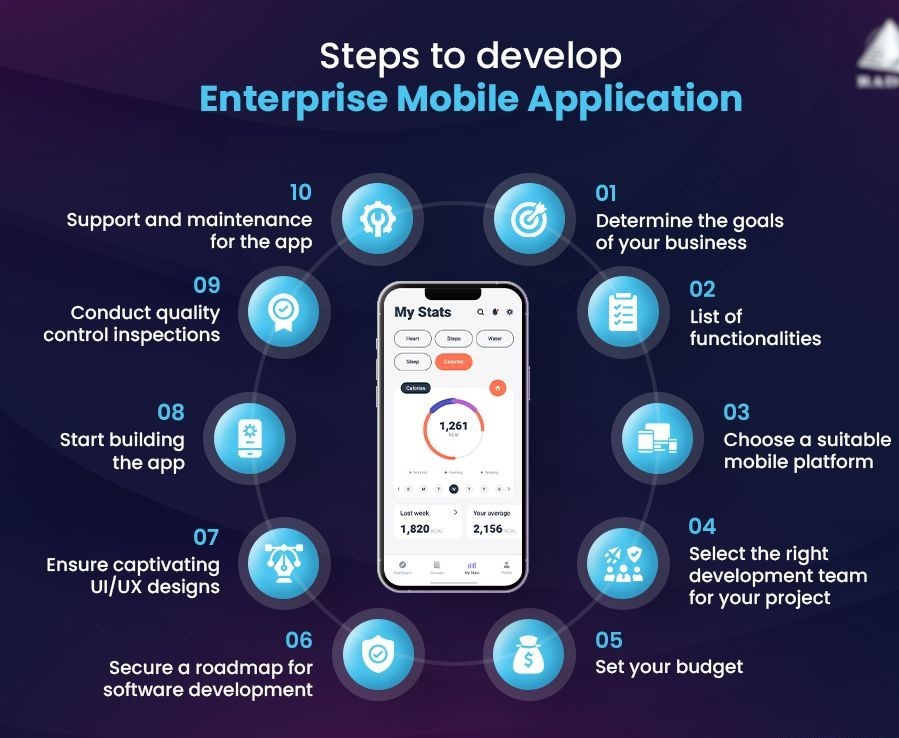
Good application development services approach growth carefully. They start with a focused version of the app, validate ideas early, and scale features gradually. Cross-platform development helps control budgets, while performance planning ensures the app doesn’t slow down as users increase.
Scaling is not about doing everything at once. It’s about building something solid enough to grow without breaking.
Choosing the right development partner
Technology alone doesn’t scale businesses. People do.
The success of a mobile app often depends on who builds it. A good development partner doesn’t just write code. They understand business goals, user behavior, and long-term growth challenges.
When choosing mobile app development services, it’s important to work with a team that thinks beyond launch day. Ongoing support, performance optimization, and scalability planning matter just as much as design and features.
If you’re looking for a partner that focuses on building apps that actually support growth, LBM Solution helps businesses design and develop mobile applications with scalability, performance, and user experience in mind without unnecessary complexity.
The long-term value of owning a mobile app
Over time, a mobile app becomes more than a tool. It becomes an asset.
Businesses with apps build direct relationships with customers instead of relying entirely on ads or third-party platforms. They control communication, data, and user experience. That control becomes increasingly valuable as competition grows.
Apps also support recurring revenue models, loyalty programs, and personalized engagement strategies that are difficult to replicate elsewhere.
In simple terms, apps help businesses grow faster today and stay stronger tomorrow.
Final thoughts
Scaling a business doesn’t have to mean losing control or burning out teams. With the right mobile app development services, growth becomes structured, data-driven, and sustainable.
Mobile apps help businesses reach customers faster, keep them longer, automate operations, and adapt quickly to change. They turn growth into a system rather than a struggle.
When you’re ready to build an app that supports real business scaling, partnering with a team like LBM Solution can make that journey smoother and more predictable.
FAQs
What are mobile app development services?
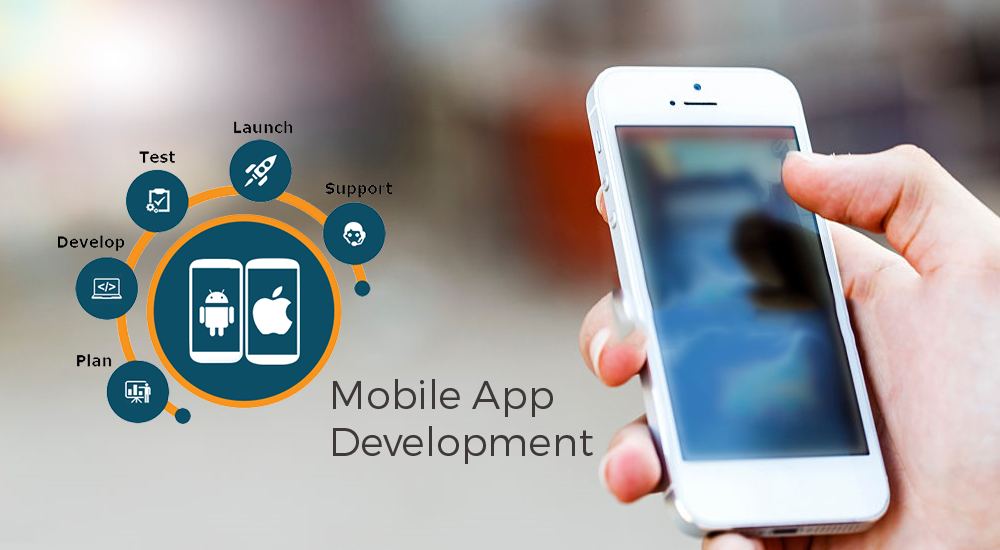
They cover planning, design, development, testing, and maintenance of mobile apps built for business goals.
Are mobile apps useful for small businesses?
Yes. Even simple apps can improve retention, streamline operations, and build stronger customer relationships.
How are application development services different from mobile app development?
Application development services may include web or desktop software, while mobile app development focuses specifically on mobile devices.
How long does it take to build a scalable mobile app?
Most scalable apps take around three to six months, depending on features and complexity.