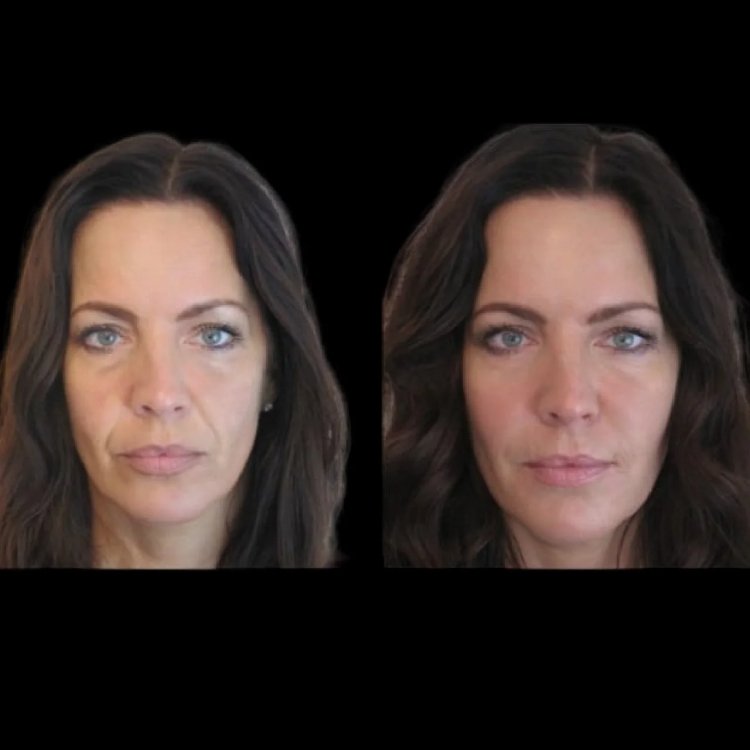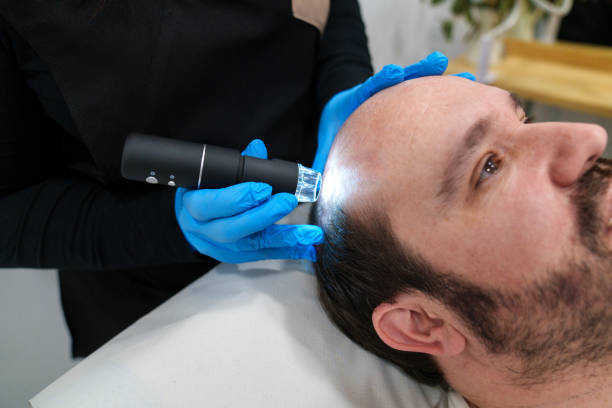
Hair loss restoration helps slow hair fall and support new growth when the cause is known. The right hair loss restoration treatment in Renton depends on why hair is thinning and how early care begins. With steady steps and expert guidance, many people see healthier hair over time.
What Hair Loss Restoration Means
Hair loss restoration is care that helps weak hair roots work better. It does not mean instant regrowth. It means support, time, and patience.
Restoration focuses on:
- The scalp
- The hair root
- The body systems that affect hair
Why Hair Loss Happens in the First Place
Hair loss starts when hair roots stop working well. This can happen for many reasons.
Common Causes
- Family history
- Long stress
- Poor sleep
- Low iron or vitamins
- Hormone shifts
- Tight hair styles
- Health problems
Hair often falls out slowly. Many people do not notice at first.
How Hair Loss Restoration Treatment Works
Most plans follow simple steps. The goal is to help the hair root again.
A proper hair loss restoration treatment in Renton starts by finding the cause before choosing care.
Step-by-Step Process
- Find the Cause
A provider reviews:
- Health history
- Diet habits
- Stress levels
- Hair and scalp condition
- Support the Scalp
A clean and calm scalp helps hair grow. This may include:
- Gentle scalp care
- Reduced product use
- Support the Body
Hair needs fuel to grow. This may include:
- Iron support
- Vitamin checks
- Better daily habits
- Ongoing Care
Hair grows slowly. Care must be steady over months.
Real-Life Style Example
A working adult noticed hair thinning after months of poor sleep and stress. After tests showed low iron, care focused on nutrition and scalp health. Hair fall slowed after several months.
Who This Treatment Is For
A planned hair loss restoration treatment in Renton may help many people.
This includes:
- Men with thinning crowns
- Women with wide parts
- New parents after birth
- Adults under long stress
- People with diet gaps
Early care gives better results.
Key Benefits of Hair Loss Restoration
When care matches the cause, benefits may include:
- Less daily hair fall
- Stronger hair strands
- Healthier scalp feel
- Better confidence
- Slower hair thinning
Results vary for each person. Hair growth always takes time.
Common Mistakes People Make
Many people delay or harm progress.
Mistakes to Avoid
- Using many products at once
- Expecting fast results
- Skipping health checks
- Stopping care too early
- Trusting online tips without guidance
Simple plans work best.
Safety Tips and Warnings
Hair restoration is usually safe when guided well.
Important Notes
- Do not mix treatments without advice
- Stop if scalp burns or itches
- Avoid harsh chemicals
- Follow instructions closely
Not all methods suit everyone.
Cost and Pricing Basics
Costs depend on:
- Type of care
- Length of treatment
- Tests needed
Basic support plans often cost less per month. Advanced care may cost more but last longer.
The best hair loss restoration treatment in Renton is not always the most expensive option.
Best Practices for Long-Term Hair Health
Daily habits matter more than people think.
Daily Tips
- Wash hair gently
- Avoid tight styles
- Eat balanced meals
- Sleep well
- Manage stress
Weekly Tips
- Light scalp massage
- Mild shampoo only
- Limit heat tools
Small steps add up over time.
When to Seek Professional Help
You should seek help if:
- Hair loss lasts over three months
- Bald spots appear
- Scalp pain or redness shows
- Hair falls out suddenly
Early guidance improves outcomes.
A Soft Educational Recommendation
Some clinics take a whole-body view of hair loss. One example is Rhema Aesthetics and Wellness, which focuses on understanding the cause before suggesting care. This approach helps avoid guesswork and supports safer results.
Conclusion
Hair loss restoration is a steady process, not a quick fix. The right hair loss restoration treatment in Renton depends on cause, timing, and consistent care. With patience and expert support, many people see healthier hair over time.
FAQs
Is hair loss restoration permanent?
It depends on the cause and how early care begins.
How long before results show?
Most people see changes after three to six months.
Can stress alone cause hair loss?
Yes, long-term stress can trigger shedding.
Do vitamins regrow hair?
Only if a true deficiency exists.
Should care stop once hair improves?
No, stopping early may reverse progress.