Factories deal with one big issue every single day. That issue is entry control. Many people move in and out during shifts. Staff, visitors, drivers, and vendors all use the same gates. Because of this, it becomes hard to track who enters and who should not.
Most factories still use cards, keys, or codes. These methods look simple, yet they often fail. Cards get shared. Codes get passed around. Guards cannot watch every door all the time.
This is where face recognition door access changes the way factories manage entry. It uses the face of a person to allow or block access. Since faces cannot be shared, this system brings better control and safety.
This guide explains how face recognition door access works in factories, why it matters, and how it supports daily operations clearly and practically.
Why Factories Struggle With Entry Control
Factories operate for long hours. Many run day and night shifts. At the same time, staff numbers stay high. This creates pressure at entry points.
When many people enter at once, problems start to show.
Common Entry Problems in Factories
- Staff sharing access cards
- Lost or stolen ID cards
- Workers entering the wrong zones
- Visitors moving without checks
- No clear entry records
Because of these issues, factories face safety risks. They also face losses due to theft or damage. Over time, weak entry control leads to poor discipline.
Even trained guards miss things during busy hours. So, factories need a system that works without constant human effort.
What Is Face Recognition Door Access
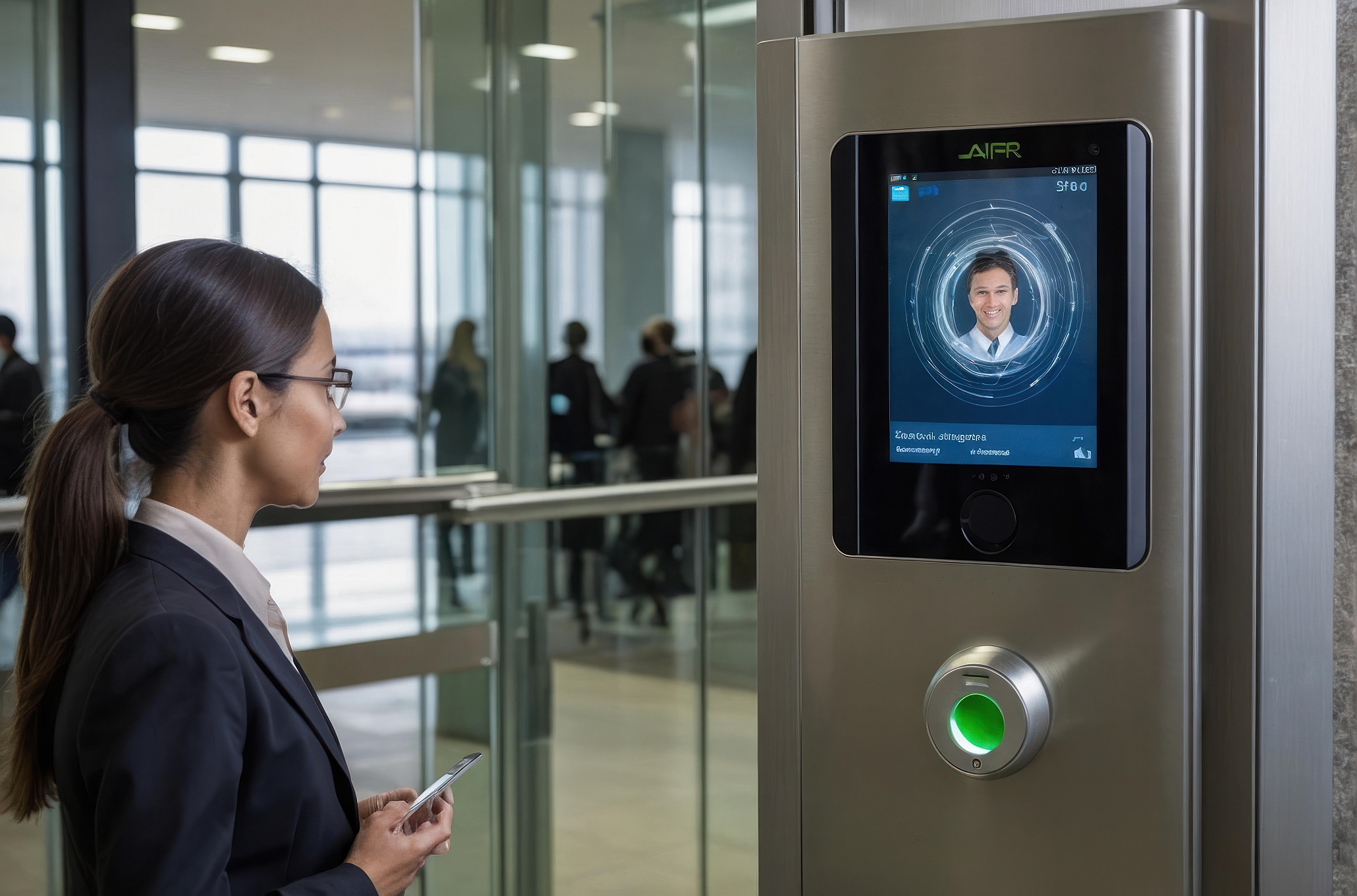
Face recognition door access is a type of biometric door access system. It checks a person’s face before opening a door.
A small camera scans the face. The system then matches it with stored data. If the face matches, the door opens. If it does not, the door stays locked.
This process takes only a few seconds. Since it does not need touch, it works well in factory settings.
Unlike cards or codes, a face cannot be passed to someone else. Because of this, face recognition door gives factories stronger control.
How Biometric Door Access Works in Factories
The setup process stays simple and quick.
First, workers register their faces. This usually takes less than a minute. The system stores key face points, not photos.
Next, managers assign access rules. These rules decide which doors each worker can use.
When a person comes to a door, the system scans the face. It checks the match and then allows or blocks entry.
Because the process stays fast, it suits busy factory gates and inner doors.
Why Face Recognition Door Access Fits Factory Use
Factories have special needs. They need speed, safety, and control at the same time.
Works Without Contact
Workers often wear gloves or carry tools. Face recognition does not need touch. This keeps entry smooth.
Handles High Footfall
Shift changes bring crowds. Face recognition door access processes people fast. This avoids queues.
Reduces Human Error
The system checks faces every time. It does not get tired or distracted.
Because of this, factories gain steady and reliable entry control.
Key Benefits of Face Recognition Door Access for Factories
Better Control Over Who Enters
Only approved staff can enter secure zones. Since access links to the face, misuse drops.
This helps protect:
- Production lines
- Storage rooms
- Control panels
- Hazard areas
Faster Entry During Shift Changes
Workers do not stop to swipe cards. They walk in and get scanned. This saves time every day.
Even a few seconds saved per person adds up across shifts.
Clear Entry Records
Every entry gets logged. Managers can see who entered, where, and when.
This helps during audits and safety checks. It also supports fair investigations.
How Face Recognition Door Access Improves Factory Safety
Safety depends on control. If the wrong person enters a risky area, accidents can happen.
Face recognition door access for factories stops this.
Only trained staff can enter dangerous zones. New workers stay out until approved.
During emergencies, managers can check who is inside each area. This supports faster response and safer evacuation.
Over time, this system builds a stronger safety culture.
Face Recognition Door Access vs Traditional Access Systems
Many factories still rely on older systems. These systems worked in the past, yet today they show limits.
Problems With Cards and Codes
- Cards get lost
- Codes get shared
- Keys get copied
- Guards miss checks
Face recognition door removes these gaps. It ties access to identity, not items.
Because of this, factories gain better control with less effort.
Using Face Recognition Door Access for Different Users
Factories manage more than full-time staff. Many others need access too.
Permanent Staff
Staff get access based on role and shift. This keeps movement organised.
Contract Workers
Access can stay limited by time and area. Once the job ends, access stops.
Visitors and Inspectors
Temporary access keeps visitors within approved zones. This reduces risk.
By handling all users in one system, factories stay organised.
Integration With Factory Systems
Face recognition door does not work alone. It connects with other systems.
Common Integrations
- Attendance tracking
- Payroll systems
- CCTV and alarms
- HR records
Because of this, data stays updated across platforms. Managers avoid double work.
When a worker leaves, access ends automatically. This keeps control tight.
Data Protection and Worker Trust
Biometric data needs care. Factories must use systems that protect worker data.
Good systems encrypt face data. They store it safely and limit access.
Workers should know how data gets used. Clear policies build trust.
Many systems also store data within the factory network. This adds another layer of safety.
Is Face Recognition Door Access Easy to Maintain
Yes, most systems need low upkeep.
Once installed, they run with little support. Software updates happen in the background.
If staff changes occur, managers update records in minutes.
Because of this, factories save time on daily admin work.
Is Face Recognition Door Access Right for All Factories
Most factories benefit from this system. Still, planning matters.
Large factories with many zones gain the most. Sites with safety rules also see strong value.
Smaller factories can start with key doors. Later, they can expand.
The aim stays simple. Control entry without slowing work.
Long-Term Value for Factory Operations
Over time, face recognition door access pays off.
It cuts losses caused by misuse. It reduces guard workload. It improves safety records.
It also supports growth. As factories expand, access rules adjust with ease.
Because of this, many factories now treat biometric door access as a core system.
Conclusion
Factories need entry systems that keep up with daily demands. Old methods no longer meet this need. Cards and codes fail too often and create gaps.
Face recognition door access offers a clear solution. It links entry to identity. It improves safety, speed, and control across factory sites.
By using biometric door access, factories gain clear records and stronger discipline. Workers move faster, and managers stay informed. As factory operations grow more complex, face recognition door access helps keep entry simple, secure, and under control.
FAQs
Is face recognition door access safe for factory use?
Yes. It improves safety by ensuring only approved staff enter specific areas. It also reduces human error during checks.
Can biometric door access work with safety gear?
Most systems work with helmets and safety wear. Modern cameras adapt well to factory conditions.
Does face recognition door access replace ID cards?
In many cases, yes. Some factories still keep cards as backup, but daily use shifts to face recognition.
Is face data stored securely?
Reputable systems encrypt data and follow strict data protection rules. Many also store data locally.