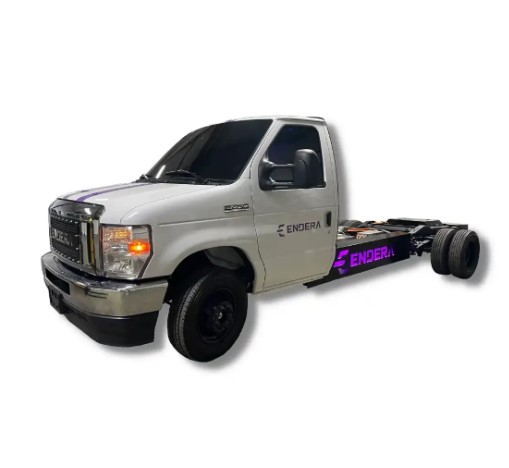
The global shift toward cleaner, more efficient mobility has placed electric vehicle powertrain technologies at the center of innovation. As consumers demand greener choices and governments push for reduced emissions, automakers are rapidly transitioning from internal combustion engines to advanced electric systems. This transformation isn’t just about replacing fuel tanks with batteries — it’s about reengineering the entire driving experience for enhanced performance, efficiency, and sustainability. Electric powertrain solutions are accelerating the adoption of electric vehicles (EVs), redefining how power is generated, stored, and delivered on the road.
What Are Electric Powertrain Solutions?
Electric powertrain solutions consist of integrated systems that power electric and hybrid vehicles through battery energy rather than fuel combustion. These systems ensure seamless coordination between components so vehicles can achieve maximum torque, superior efficiency, and quieter operation.
Key Components Of Electric Powertrain Systems
Electric Motor
Acts as the heart of the powertrain, converting electrical energy into rotational motion. It provides instant torque, enabling faster acceleration compared to traditional engines.
Battery Pack
Stores energy needed for vehicle operation. Lithium-ion batteries are the current standard due to their high energy density and lifespan.
Power Electronics
Controls energy flow between the battery and motor while optimizing performance and safety.
Regenerative Braking System
Recovers energy during braking and feeds it back into the battery, improving range and reducing waste.
Why Electric Powertrain Solutions Matter For Tomorrow’s Vehicles
Boosting Energy Efficiency
Electric vehicle powertrains deliver significantly higher efficiency levels than combustion engines, ensuring more power is converted from stored energy to motion. Less energy loss means longer driving ranges and reduced operational costs.
Zero Emissions Driving
By eliminating tailpipe emissions, electric vehicles help combat climate change and improve urban air quality. Cities with pollution concerns are increasingly adopting EV-friendly infrastructures.
Lower Maintenance Requirements
Since electric vehicles have fewer moving parts, there’s reduced wear and tear, leading to longer vehicle lifespan and fewer service appointments. No oil changes, spark plug replacements, or transmission issues.
Elevating Driving Performance
Instant torque, smooth acceleration, low noise, and vibration-free driving give electric vehicles a premium feel that many drivers now prefer. Performance EVs are already outperforming sports cars powered by gasoline engines.
How Electric Powertrain Solutions Are Transforming Industries
Automotive Manufacturing
Car manufacturers are rethinking vehicle design from the ground up. Flexible chassis layouts (skateboard designs) allow compact motors and battery placement for better aerodynamics and cabin space.
Commercial And Public Transportation
E-buses and delivery fleets are adopting electric systems to reduce operating costs and meet environmental regulations. Long-term fuel savings make electrification a smart investment for logistics and transit agencies.
Two- And Three-Wheeler Market Growth
In densely populated regions, electric scooters and rickshaws are improving mobility while tackling air pollution and traffic challenges.
Challenges That Continue To Drive Innovation
Battery Cost And Range Limitations
While battery technology continues to become more affordable and efficient, improving range remains a priority for widespread adoption.
Charging Infrastructure Expansion
Faster and more accessible charging networks are required globally to eliminate range anxiety and encourage EV use.
Sustainable Material Sourcing
Manufacturers are researching cleaner mining processes and recycling systems for battery materials to ensure a truly sustainable lifecycle.
The Road Ahead For Electric Powertrain Systems
Electrification will continue to evolve with smarter, more compact, and ultra-efficient systems. Advancements like solid-state batteries, bidirectional charging (vehicle-to-grid), and autonomous EVs will further elevate the role of electric powertrains. Collaboration across governments, automakers, and technology providers will shape the infrastructure and policies that enable mass EV adoption. The result will be a transportation ecosystem that is cleaner, intelligent, and more human-centric.
Conclusion: Powering A Cleaner, Smarter Mobility Era
As the world races toward carbon-neutral futures, electric powertrain solutions stand as the foundation for sustainable progress. The continued evolution of EV technology will unlock new possibilities in how we travel, deliver goods, and connect communities. With innovation happening faster than ever, automakers are proving that the transition to electrification isn’t just necessary — it’s exciting and full of potential. The role of Electric Powertrain will only expand as global demand for cleaner, more efficient vehicles accelerates, driving us into a new era of transportation where performance meets sustainability.