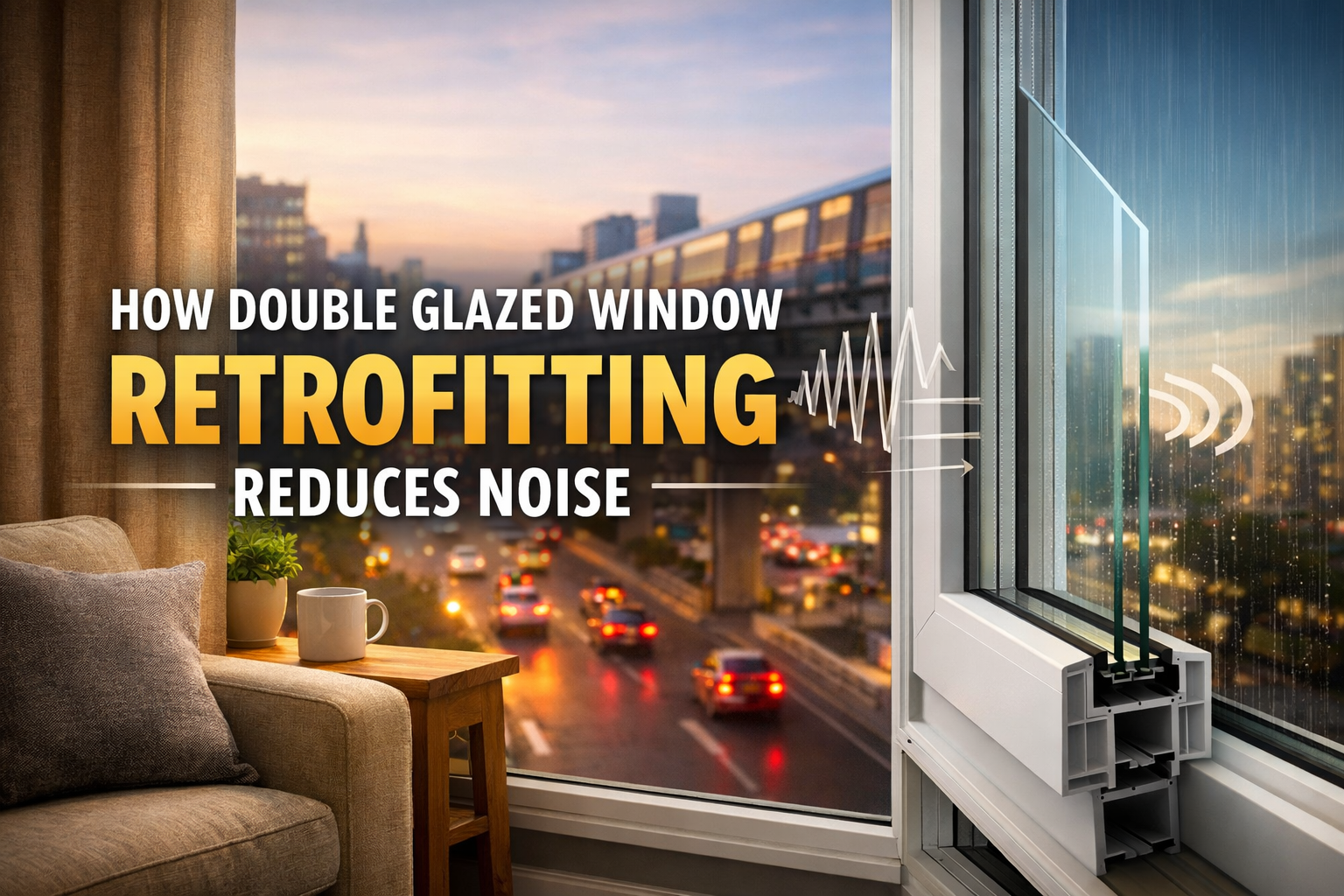
Urban living brings convenience, connectivity, and opportunity but it also introduces persistent noise. Traffic, construction, aircraft movement, and neighbourhood activity can disrupt sleep, productivity, and overall wellbeing. For homeowners seeking practical solutions, Double Glass Windows Sydney installations through retrofitting have become an increasingly effective approach to reducing unwanted sound without altering the original structure of a home. Retrofitting double glazed windows is not just a modern upgrade; it is a science-backed method that transforms how sound travels into indoor spaces.
As noise pollution continues to rise in cities, understanding how double glazed window retrofitting works and why it is effective helps homeowners make informed decisions that align with comfort, sustainability, and long-term value.
Understanding Noise Transmission in Buildings
Noise enters a building primarily through windows, doors, and poorly insulated wall sections. Glass, while visually appealing, is one of the weakest barriers to sound when used as a single pane. Sound waves vibrate through thin surfaces, transferring energy directly into indoor spaces.
There are two main types of noise intrusion:
- Airborne noise, such as traffic, voices, or aircraft
- Impact noise, caused by vibrations from construction or heavy movement nearby
Traditional single-pane windows offer minimal resistance to either type. Retrofitting double glazed windows addresses this limitation by introducing layered protection that interrupts sound pathways more effectively.
What Is Double Glazed Window Retrofitting?
Double glazed window retrofitting involves adding a second pane of glass to existing window frames rather than replacing the entire window system. This approach preserves architectural integrity while significantly enhancing acoustic and thermal performance.
The system typically consists of:
- Two separate glass panes
- A sealed air or gas-filled gap between them
- Tight perimeter sealing to prevent air leakage
This configuration creates a buffer zone that dampens sound vibrations before they reach the interior of the home.
The Science Behind Noise Reduction
The effectiveness of double glazed window retrofitting lies in sound wave disruption. When sound waves strike the outer pane, part of the energy is reflected, part is absorbed, and part attempts to pass through. The gap between the panes slows the vibration transfer, weakening the sound before it reaches the inner glass.
Key acoustic principles at work include:
1. Increased Mass
Heavier materials resist sound movement more effectively. Two panes provide greater mass than one, reducing vibration transmission.
2. Air Gap Insulation
The space between the panes acts as a sound cushion. Larger gaps generally improve low-frequency noise reduction, such as traffic rumble.
3. Decoupling Effect
Because the panes are separated, vibrations do not travel directly from outside to inside, breaking the sound pathway.
Why Retrofitting Is Ideal for Existing Homes
Full window replacement can be costly, disruptive, and unnecessary. Retrofitting offers a practical alternative that aligns with current housing trends focused on efficiency upgrades rather than structural overhauls.
Benefits include:
- Minimal disruption during installation
- Retention of existing window frames
- Lower material waste compared to replacement
- Faster installation timelines
For heritage or older properties, retrofitting allows homeowners to maintain original design features while meeting modern performance expectations.
Urban Noise Challenges and Modern Living
In growing metropolitan regions, noise pollution is no longer limited to city centres. Expanding infrastructure, higher traffic volumes, and increased population density have made quiet living a challenge across suburbs as well.
Many homeowners exploring Double Glass Windows in Sydney solutions are responding to these evolving environmental pressures. Retrofitting aligns with the broader trend of improving indoor living quality without increasing urban sprawl or relocating away from established communities.
Performance Factors That Influence Noise Reduction
Not all double glazed retrofits deliver the same results. Several variables influence acoustic performance:
Glass Thickness Variation
Using panes of different thicknesses disrupts sound frequencies more effectively than identical panes.
Spacer Width
Wider gaps between panes improve insulation against low-frequency noise.
Frame Integrity
Existing frames must be structurally sound to support proper sealing and long-term performance.
Sealing Quality
Even small gaps can allow sound leakage, reducing overall effectiveness.
Proper assessment ensures the retrofit performs as intended rather than offering marginal improvement.
Effectiveness of Retrofitting for Noise Control
Homeowners often question whether retrofitting truly matches full window replacement in sound reduction. Research and real-world applications show that well-designed retrofitting can significantly reduce external noise when installed correctly. For a deeper understanding of how retrofitting double glazed windows can reduce outside noise effectively, this detailed guide explains the practical outcomes and real-life performance of modern glazing solutions. This resource also complements broader insights into how glazing systems perform in high-noise environments.
Additional Benefits Beyond Noise Reduction
While noise control is a primary motivator, retrofitting double glazed windows delivers several secondary benefits that align with modern living standards.
Improved Thermal Insulation
The same air gap that blocks sound also reduces heat transfer, keeping interiors cooler in summer and warmer in winter.
Energy Efficiency
Reduced reliance on heating and cooling systems contributes to lower energy consumption and utility costs.
Enhanced Comfort
Stable indoor temperatures and quieter spaces improve daily comfort and sleep quality.
Increased Property Appeal
Energy-efficient and sound-insulated homes align with buyer expectations in competitive property markets.
Sustainability and 2025 Housing Trends
Sustainability is a core pillar of current building and renovation trends. Retrofitting fits seamlessly into this framework by extending the life of existing materials rather than replacing them entirely.
Key sustainability advantages include:
- Reduced construction waste
- Lower carbon footprint compared to full replacements
- Improved energy performance without structural changes
Noise Reduction vs Soundproofing: Setting Realistic Expectations
It is important to distinguish between noise reduction and complete soundproofing. Retrofitted double glazed windows significantly reduce external noise but do not eliminate all sound.
Typical improvements include:
- Noticeable reduction in traffic and street noise
- Softer, less intrusive background sounds
- Improved indoor calm without complete silence
Ideal Applications for Retrofitted Double Glazing
Retrofitting is especially effective in:
- Homes near busy roads
- Apartments exposed to urban noise
- Properties under flight paths
- Residences near schools or commercial areas
As cities continue to densify, demand for adaptable noise-control solutions is expected to grow steadily.
Maintenance and Longevity
Once installed, retrofitted double glazed windows require minimal maintenance. Periodic inspection of seals and frames helps ensure long-term performance.
Longevity benefits include:
- Durable materials designed for extended use
- Resistance to condensation buildup
- Stable acoustic performance over time
This makes retrofitting a long-term investment rather than a temporary fix.
Why Retrofitting Aligns with Google 2025 Content Norms
From an SEO and content quality perspective, this topic aligns with Google’s 2025 guidelines by offering:
- Clear, experience-based explanations
- User-focused problem solving
- Transparent benefits and limitations
- No exaggerated or promotional claims
- Strong topical authority and depth
Content that educates rather than sells builds trust, relevance, and search visibility over time.
Conclusion
Noise pollution is an unavoidable reality of modern living, but it does not have to define indoor comfort. Double glazed window retrofitting offers a practical, sustainable, and effective way to reduce external noise while enhancing overall home performance.
As more homeowners seek adaptable upgrades that meet evolving urban challenges, Double Glass Windows Sydney retrofitting solutions continue to gain relevance. By combining scientific principles with thoughtful installation, retrofitting transforms everyday living spaces into quieter, more comfortable environments without compromising existing structures or design.