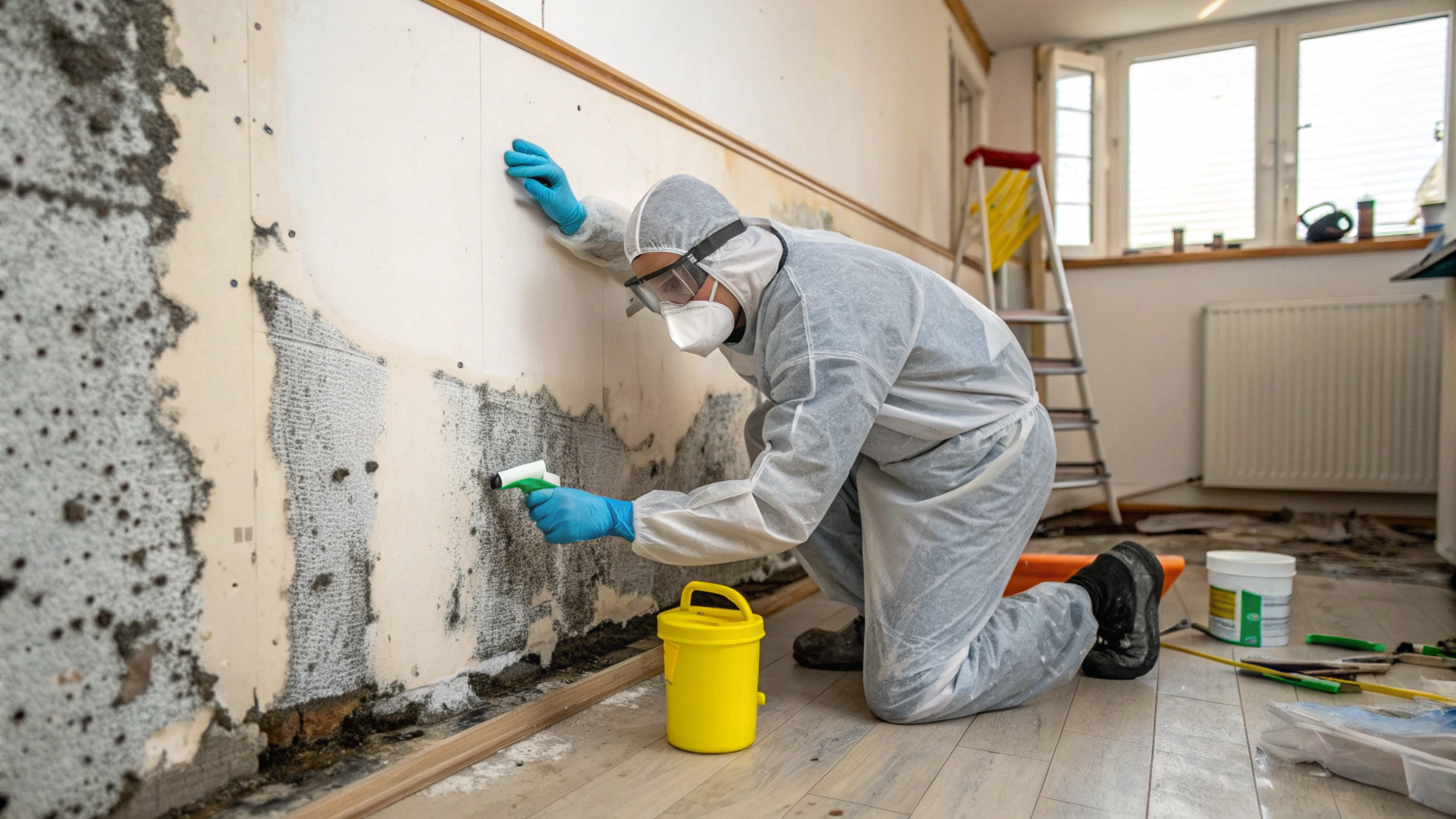
Mold remediation is influenced by more than just visible damage. Local inspection standards, building patterns, and prevention expectations play a major role in how mold is identified and managed. While Raleigh and Apex are close in distance, their remediation approaches differ in meaningful ways that directly affect homeowners.
–
Introduction
It’s easy to assume that mold behaves the same way everywhere. However, the way it develops, spreads, and returns often depends on how a home is built and how inspections are carried out locally. Homeowners who overlook these differences may unknowingly choose solutions that don’t fully address their situation. Knowing how remediation practices vary between nearby areas can help people act faster, plan better, and avoid repeated mold concerns.
Understanding the Core Differences in Mold Remediation Practices
Mold remediation is shaped by inspection depth and prevention planning, both of which are influenced by local housing styles and infrastructure. Raleigh’s urban layout and Apex’s suburban growth lead to different inspection priorities and long-term strategies. Understanding these differences provides clarity on why remediation plans are rarely identical between the two locations.
Inspection Standards in Raleigh: What Sets Them Apart
Raleigh inspections are often more layered because of the city’s mix of older homes, renovated properties, and multi-unit buildings. Inspectors must account for past water damage, aging plumbing, and moisture that travels between connected spaces. As a result, inspections often include air sampling, moisture detection behind walls, and assessments of ventilation systems. In many cases, mold remediation Raleigh NC requires identifying hidden sources rather than just treating visible growth.
Inspection Standards in Apex: A More Residential-Centric Approach
In Apex, inspection standards are shaped by newer construction and single-family homes. Inspectors typically focus on crawl spaces, attics, and foundations, where moisture buildup is most common. The process is still detailed but usually more direct, concentrating on ventilation efficiency and early signs of moisture intrusion. This approach helps catch mold before it spreads extensively within the home.
Environmental and Structural Factors Influencing Inspections
Despite sharing the same regional climate, Raleigh and Apex differ in how moisture behaves around structures. Raleigh’s denser neighborhoods can trap humidity between buildings, while Apex homes often face drainage or grading challenges due to larger lots.
Since mold develops when moisture is present for extended periods, inspectors rely on a clear understanding of how molds form in indoor environments, as outlined by the EPA, to determine where growth is most likely to occur. These environmental and structural differences guide inspectors on where to look, how deeply to assess, and what risks may develop over time.
Long-Term Mold Prevention Strategies in Raleigh
Prevention in Raleigh often focuses on reducing recurring moisture in complex building environments. Long-term strategies may include improving airflow in shared spaces, sealing areas where moisture migrates, and scheduling routine assessments. Because mold can return through unseen pathways, prevention plans are typically ongoing rather than one-time adjustments.
Long-Term Mold Prevention Strategies in Apex
Apex prevention strategies are more focused on homeowner-controlled factors. Improving crawl space encapsulation, managing outdoor drainage, and maintaining attic ventilation are common recommendations. Prevention plans are often tailored to seasonal changes, helping homeowners manage humidity and condensation risks throughout the year.
Choosing the Right Remediation Approach Based on Location
Choosing the right remediation approach depends on understanding how location shapes mold behavior. A method that works well in Raleigh may not fully address the needs of an Apex home. Professionals who adjust their inspection and prevention plans based on local conditions are better equipped to deliver long-lasting results and reduce the risk of repeat issues.
Conclusion
Although Raleigh and Apex are geographically close, their mold remediation needs differ due to inspection standards, building structures, and prevention priorities. Raleigh demands more layered inspections and continuous monitoring, while Apex focuses on residential moisture control and structural prevention. Recognizing these differences allows homeowners to make informed decisions and choose services that align with their local environment, including solutions tailored for mold remediation Apex NC.
FAQs
Q1. Is mold inspection more detailed in Raleigh than in Apex?
A: Yes. Raleigh inspections are often more comprehensive because inspectors must evaluate older structures, shared walls, and hidden moisture pathways.
Q2. Do prevention methods differ between Raleigh and Apex homes?
A: They do. Raleigh prevention focuses on ongoing monitoring and airflow in dense areas, while Apex prevention emphasizes drainage, ventilation, and seasonal maintenance.
Q3. Can the same mold remediation company serve both areas effectively?
A: Yes, provided the company understands local inspection standards and adapts its remediation and prevention plans to suit each location’s unique conditions.