Introduction
If you have ever searched for why your embroidery design looks perfect on screen but fails on fabric, the answer often comes back to one core factor: digitizing services. Digitizing is the hidden process that transforms artwork into stitch-ready embroidery files, making it one of the most important steps in modern embroidery production.
For beginners, digitizing can feel technical and confusing. For small businesses, it can be the difference between professional results and costly mistakes. For experienced professionals, reliable digitizing services ensure consistent quality at scale.
This article explains how digitizing services work, why they matter, and how they support embroidery accuracy, branding consistency, and long-term production success. It is written to answer real user questions in a clear, practical way.
What Are Digitizing Services and Why Do They Matter?
Digitizing services convert images, logos, or text into embroidery machine files. These files tell the machine exactly how to stitch the design, including stitch type, stitch direction, density, and sequencing.
Embroidery machines cannot read standard image files. Without digitizing services, even high-quality artwork cannot be embroidered correctly. Digitizing bridges the gap between creative design and physical production.
High-quality digitizing services reduce thread breaks, improve stitch flow, and ensure designs hold up after repeated washing and wear.
How Do Digitizing Services Convert Artwork into Embroidery Files?
Digitizing is a manual and technical process. It is not simply tracing an image.
The process usually follows these steps:
-
Artwork review to understand design complexity
-
Stitch planning based on fabric and usage
-
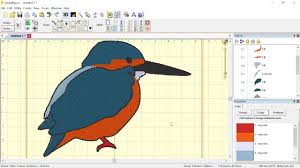
Manual digitization using embroidery software
-
Density and stitch path optimization
-
Final testing and file delivery
Each step ensures that the embroidery file works smoothly on machines and produces clean, durable results.
What Makes Digitizing Services Different from Graphic Design?
Graphic design focuses on visual appearance. Digitizing services focus on stitch behavior.
A design that looks perfect digitally may stitch poorly if stitch angles, overlaps, or density are not adjusted. Digitizing accounts for fabric movement, thread tension, and machine limitations.
This is why experienced digitizers are essential for embroidery success. Services like Migdigitizing focus on embroidery performance rather than just visual accuracy.
What Types of Digitizing Services Are Commonly Used?
Different embroidery needs require different digitizing approaches.
Embroidery Digitizing
This service prepares files specifically for embroidery machines, considering stitch types and fabric compatibility.
Logo Digitizing
Focused on branding, logo digitizing ensures consistency across uniforms, caps, and promotional items.
Raster to Vector Conversion
Used when artwork quality is low. This process improves clarity before digitizing begins.
Patch Digitizing
Optimized for patches, this service considers borders, backing, and edge finishing.
Who Should Use Professional Digitizing Services?
Digitizing services are useful for a wide range of users.
Beginners
Beginners benefit by avoiding technical errors and learning industry-standard embroidery practices.
Small Businesses
Small businesses rely on digitizing services to maintain quality without hiring in-house digitizers.
Professionals
Professionals use digitizing services to manage high order volumes, complex designs, and tight deadlines.
Reliable services like Migdigitizing help ensure files are production-ready from the start.
Why Do Digitizing Services Improve Embroidery Quality?
Digitizing directly affects how embroidery behaves on fabric.
Well-digitized files:
-
Prevent puckering and distortion
-
Reduce thread breaks
-
Improve stitch alignment
-
Enhance durability
-
Maintain consistent results
Poor digitizing often leads to production delays and material waste. High-quality digitizing services solve these issues before stitching begins.
How Digitizing Services Support Branding Consistency
Consistent branding is essential for businesses. Digitizing services ensure that logos remain accurate across different products and fabrics.
Once a logo is digitized correctly, it can be reused for:
-
Corporate uniforms
-
Promotional apparel
-
Caps and bags
-
Custom patches
This consistency builds brand recognition and trust.
What Should You Look for in Digitizing Services?
Choosing the right digitizing service is critical.
Key factors to consider include:
-
Manual digitizing expertise
-
Experience with different fabrics
-
Clear communication
-
Revision support
-
Machine compatibility
Avoid choosing services based only on price. Quality digitizing saves money in the long run.
Common Mistakes to Avoid When Using Digitizing Services
Many embroidery problems come from avoidable mistakes.
Common issues include:
-
Submitting low-resolution artwork
-
Ignoring fabric type
-
Using one file for multiple applications
-
Overcomplicated designs
-
Skipping test stitching
Professional digitizing services identify and correct these issues early.
How Digitizing Services Help Businesses Scale Production
As embroidery businesses grow, efficiency becomes critical. Digitizing services allow designs to be reused, resized, and adapted quickly.
This leads to:
-
Faster turnaround times
-
Fewer production errors
-
Consistent quality
-
Higher customer satisfaction
Digitizing services turn creative ideas into scalable embroidery solutions.
Internal Linking Suggestions
To strengthen SEO and user experience, consider internal links to:
-
Embroidery machine file formats guide
-
Fabric selection for embroidery
-
Beginner embroidery setup checklist
-
Patch production best practices
These topics support topical authority and search visibility.
Frequently Asked Questions
What are digitizing services used for in embroidery?
Digitizing services are used to convert artwork into stitch-based files that embroidery machines can read. These files control stitch type, direction, and density to ensure clean and durable embroidery results.
How long do digitizing services usually take?
Turnaround time depends on design complexity. Simple logos may take a few hours, while detailed artwork can take up to 24 hours, including testing and optimization.
Are digitizing services required for every embroidery design?
Yes, every embroidery design must be digitized before stitching. Machines cannot read image files without proper digitizing.
What file formats do digitizing services provide?
Digitizing services provide embroidery machine formats such as DST, PES, EXP, and others, depending on machine requirements.
Can digitizing services fix embroidery problems?
Yes, many embroidery issues are caused by incorrect digitizing. Professional digitizing services can adjust stitch paths, density, and sequencing to improve results.
Are digitizing services suitable for beginners?
Digitizing services are ideal for beginners because they remove technical complexity and ensure professional-quality embroidery from the start.
How are digitizing services priced?
Pricing is usually based on design complexity, stitch count, and time required rather than size alone.
Conclusion
Digitizing services are the foundation of successful embroidery production. They transform simple artwork into precise, stitch-ready files that machines can execute accurately and consistently.
For beginners, digitizing services reduce learning curves. For businesses, they improve efficiency and brand consistency. For professionals, they enable scalable production without sacrificing quality.
By understanding how digitizing services work and choosing reliable providers like Migdigitizing, embroidery projects become more predictable, durable, and professional.
Quality digitizing is not just a technical step. It is a long-term investment in embroidery success.