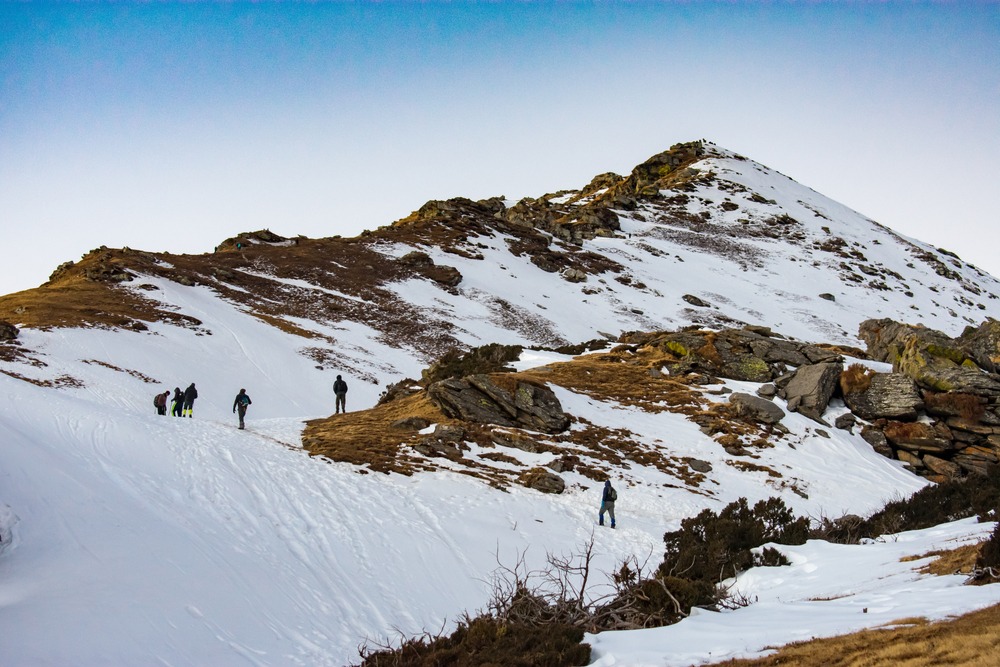
If you’re here, you probably don’t want poetic mountain romance. You want a straight answer: Is Kedarkantha difficult or not?
I’ll keep this real, based on experience, not brochure language.
Short answer: Kedarkantha is moderately difficult.
But whether it feels easy or tough depends entirely on you—your fitness, mindset, and how prepared you are.
Let me break it down in the most practical way possible.
What “Moderate Difficulty” Actually Means on Kedarkantha
When people say Kedarkantha is a “moderate” trek, it doesn’t mean it’s a walk in the park. It means:
-
You’ll walk 4–6 hours daily
-
You’ll gain altitude gradually, up to 12,500 ft
-
You’ll trek on snow, forest trails, and steep summit climbs
-
You’ll feel tired—but not broken
I’ve seen first-time trekkers complete Kedarkantha successfully. I’ve also seen gym-fit people struggle because they underestimated long walking hours and cold conditions.
So moderate doesn’t mean easy. It means manageable with preparation.
Physical Difficulty: How Fit Do You Really Need to Be?
You don’t need to be an athlete, but you can’t be unfit.
Here’s the honest fitness benchmark I recommend:
-
You should comfortably walk 5–7 km in a day
-
You should be able to climb stairs for 20–30 minutes without gasping
-
Basic leg strength matters more than muscles
The toughest day physically is summit day. It’s steep, cold, and mentally demanding. The climb feels endless, especially on snow. Your legs burn, breathing gets heavy, and breaks feel too short.
If you’ve never trekked before, Kedarkantha will feel challenging—but not impossible.
Mental Difficulty: The Part Nobody Talks About
This is where many people struggle.
-
Cold mornings (sometimes -5°C to -10°C)
-
Early wake-up calls
-
Limited phone network
-
Basic toilets
-
Simple food
If you’re mentally prepared for discomfort, you’ll be fine. If you expect comfort, you’ll struggle.
On summit day, it’s not your legs that quit—it’s your mind asking, “Why am I doing this?”
Once you reach the top, that question disappears instantly.
Altitude: Is Kedarkantha Dangerous?
Kedarkantha reaches 12,500 ft, which is safe for most people if the itinerary is followed properly.
Altitude sickness is rare here because:
-
The ascent is gradual
-
Camps are well-spaced
-
Rest days are built in
Still, you might feel:
-
Mild headache
-
Breathlessness
-
Loss of appetite
These are normal. Serious AMS is uncommon if you don’t rush and stay hydrated.
This is why I always suggest going with an experienced team that sticks to proper acclimatization instead of rushing itineraries.
Terrain: What Kind of Trails Will You Walk On?
Kedarkantha gives you a bit of everything:
-
Day 1–2: Forest trails, gradual ascents, beautiful pine forests
-
Day 3: Snow-covered trails, open meadows
-
Summit Day: Steep snow climb, narrow trails, strong winds
Snow makes the trek more demanding, especially from December to March. Walking in snow drains energy faster than normal trails.
But the same snow is what makes Kedarkantha magical.
Weather: Cold Is the Real Challenge
Let me be blunt—cold is harder than the walking.
Night temperatures can drop to:
-
-5°C at camps
-
-10°C near the summit
If you don’t have proper layers, gloves, and shoes, the trek will feel 10x harder.
Most difficulty complaints I hear are actually cold-related, not fitness-related.
Is Kedarkantha Suitable for Beginners?
Yes—but only if:
-
You prepare physically for at least 2–3 weeks
-
You listen to your trek leader
-
You don’t carry unrealistic expectations
I’ve met many beginners who completed Kedarkantha and later moved on to tougher Himalayan treks.
I’ve also met people who treated it like a picnic and suffered.
Your attitude decides your experience.
Solo vs Guided Trek: What I Recommend
Technically, Kedarkantha can be done solo. Practically, I wouldn’t recommend it if you’re new.
Why?
-
Snow trails can be confusing
-
Weather changes quickly
-
Campsites need local knowledge
-
Safety matters in the mountains
I personally prefer going with local, experienced teams who understand the terrain well. On my trek, I noticed how smoother things were when logistics, camps, and pacing were handled by people who do this regularly.
Teams like The Searching Souls focus more on experience and safety rather than rushing groups up the mountain. It doesn’t feel commercial or pushy—just structured and calm, which matters a lot when you’re tired and cold if you like to book your trek from them you can checkout their Kedarkantha trek Package.
Who Will Find Kedarkantha Difficult?
You might struggle if:
-
You avoid physical activity completely
-
You hate cold weather
-
You expect luxury in the mountains
-
You don’t want to push yourself mentally
You’ll enjoy it if:
-
You like challenges
-
You’re okay with discomfort
-
You respect mountains
-
You want a real Himalayan experience
My Final Honest Verdict
Kedarkantha is not easy, but it’s one of the best treks to test yourself without overwhelming risk.
It challenges:
-
Your stamina
-
Your mindset
-
Your comfort zone
And rewards you with:
-
Snow-covered forests
-
A stunning summit view
-
A massive confidence boost
If you prepare even a little and go with the right mindset, Kedarkantha won’t break you—it’ll build you.