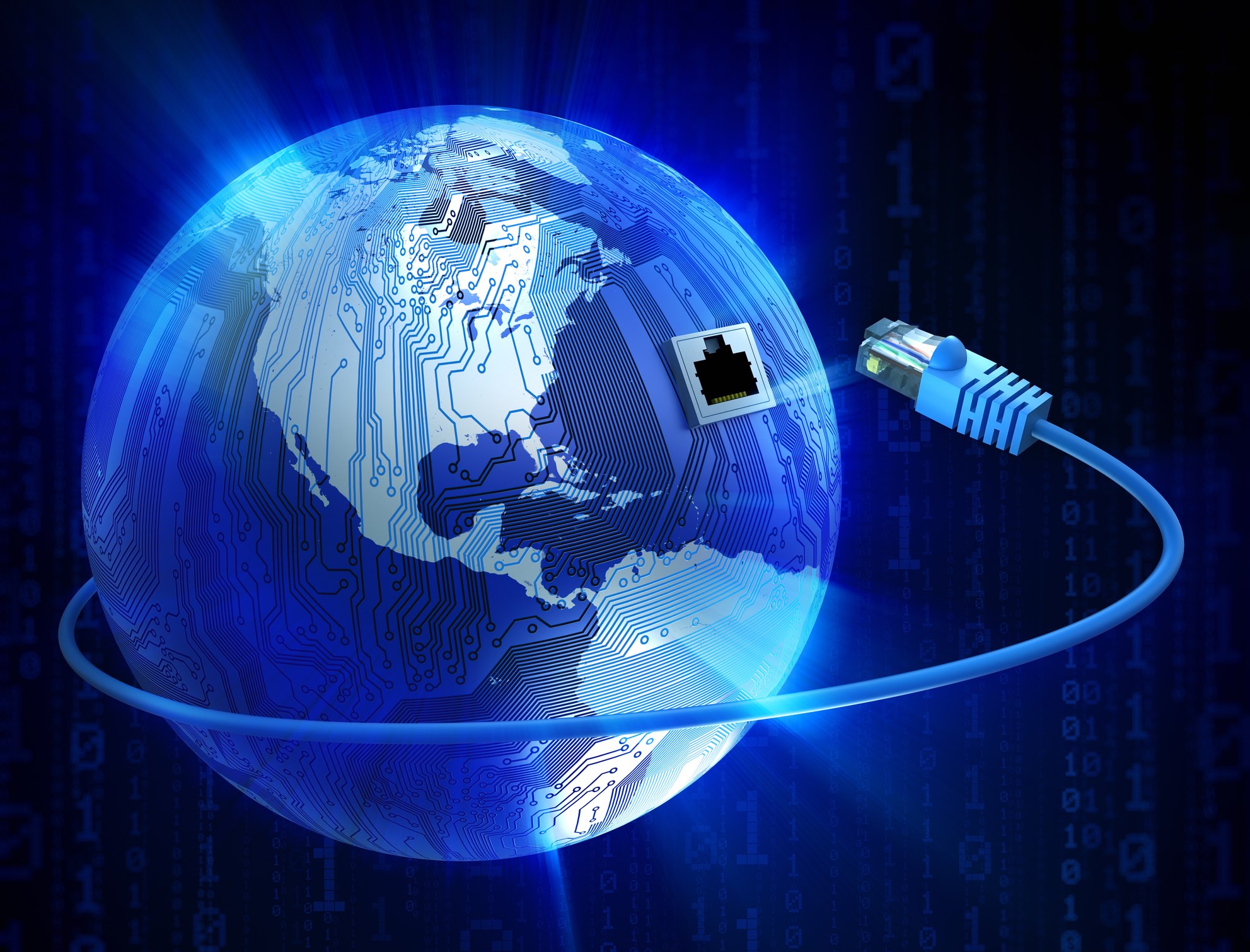
Digital transformation has become a necessity for businesses of all sizes. As organizations grow, old systems often struggle to keep up with modern demands. Legacy platforms can slow down operations, create security risks, and make data management difficult. This is why many businesses are moving toward cloud platforms and modern IT systems.
At the heart of this transition lies data. Without a clear and secure way to move information, modernization can become risky and complex. This is where data migration tools play an important role by ensuring data is moved safely, accurately, and efficiently.
Understanding Data Migration and Its Purpose
Data migration is the process of transferring data from one system to another. This could involve moving information from on-premises servers to the cloud, upgrading existing software, or consolidating data from different systems into a single platform.
Modern businesses rely heavily on structured and unstructured data. Any error during migration can lead to downtime, data loss, or compliance issues. Specialized tools are designed to handle these challenges by automating key steps such as data transfer, validation, and testing.
By using data migration tools, organizations can manage complex transitions with greater confidence and lower risk.
Why Cloud and System Modernization Is Important
Cloud and system modernization help businesses stay competitive in a fast-changing digital landscape. New systems offer better speed, scalability, and accessibility compared to outdated infrastructure.
Modern platforms also support remote access, data analytics, and integration with advanced technologies like artificial intelligence. However, these benefits depend on the quality of data being moved into the new environment.
Without proper planning, modernization efforts can fail. Migration tools help ensure that data remains complete, usable, and aligned with business goals during system upgrades.
Supporting Cloud Migration with the Right Tools
Moving data to the cloud involves more than copying files. Different platforms use different data formats, structures, and security requirements. Migration tools simplify this process by mapping existing data to the new system correctly.
They help identify outdated or duplicate data before migration, improving data quality in the new environment. Many tools also allow staged migration, which means data is moved gradually rather than all at once.
With data migration tools, organizations can reduce downtime and continue business operations while transitioning to cloud-based systems.
Ensuring Data Accuracy and Reliability
One of the biggest concerns during system upgrades is data accuracy. Even small errors can affect business decisions and customer trust.
Migration tools include built-in checks to confirm that data remains consistent before and after migration. Validation reports help teams identify missing or incorrect information early.
This structured approach improves reliability and reduces the need for manual fixes after migration. As a result, businesses can trust their data from day one on the new platform.
Enhancing Data Security During Migration
Security is critical during data migration, especially when sensitive or regulated information is involved. Poor security practices during migration can expose data to unauthorized access.
Modern migration solutions apply encryption and access control measures throughout the process. They also follow compliance standards that are important for industries such as healthcare, finance, and education.
Using data migration tools helps organizations protect information while maintaining compliance during cloud and system upgrades.
Modernizing Legacy Systems Step by Step
Many organizations still rely on legacy systems that were built years ago. Replacing them all at once can be costly and disruptive.
Migration tools support phased modernization. Businesses can move critical data first, validate system performance, and then migrate remaining information over time.
This gradual approach reduces risk and gives teams more control over the transformation process. It also allows businesses to test new systems while still relying on existing infrastructure during the transition.
Reducing Downtime and Operational Disruptions
System downtime can impact productivity and customer experience. One advantage of modern migration solutions is their ability to minimize interruptions.
Incremental migration allows data to sync continuously while systems remain active. This means employees and customers can continue using applications with minimal disruption.
By planning migration carefully and using automation, data migration tools help businesses modernize without major operational setbacks.
Supporting Scalability and Future Growth
Modern systems are designed to scale as business needs grow. Whether a company expands its customer base or introduces new digital services, flexible platforms make growth easier.
Migration tools prepare data for future use by organizing it in a way that supports analytics, automation, and integration with other systems.
With clean and well-structured data in place, businesses can adopt new technologies more quickly and adapt to market changes.
Key Things to Consider When Choosing Migration Tools
Not all migration solutions offer the same features. Businesses should assess their data volume, system complexity, and security requirements before choosing a tool.
A reliable solution should provide automation, error handling, monitoring, and reporting features. It should also support both current and future IT strategies.
Selecting the right data migration tools ensures smoother modernization and long-term operational efficiency.
Final Thoughts
Cloud adoption and system modernization are essential for businesses aiming to stay competitive. However, the success of these initiatives depends largely on how data is handled during the transition.
Data migration tools provide a structured, secure, and efficient way to move data from old systems to modern platforms. They reduce risks, improve accuracy, and support scalable growth.
With the right approach and tools in place, organizations can modernize confidently and unlock the full potential of their digital transformation journey.