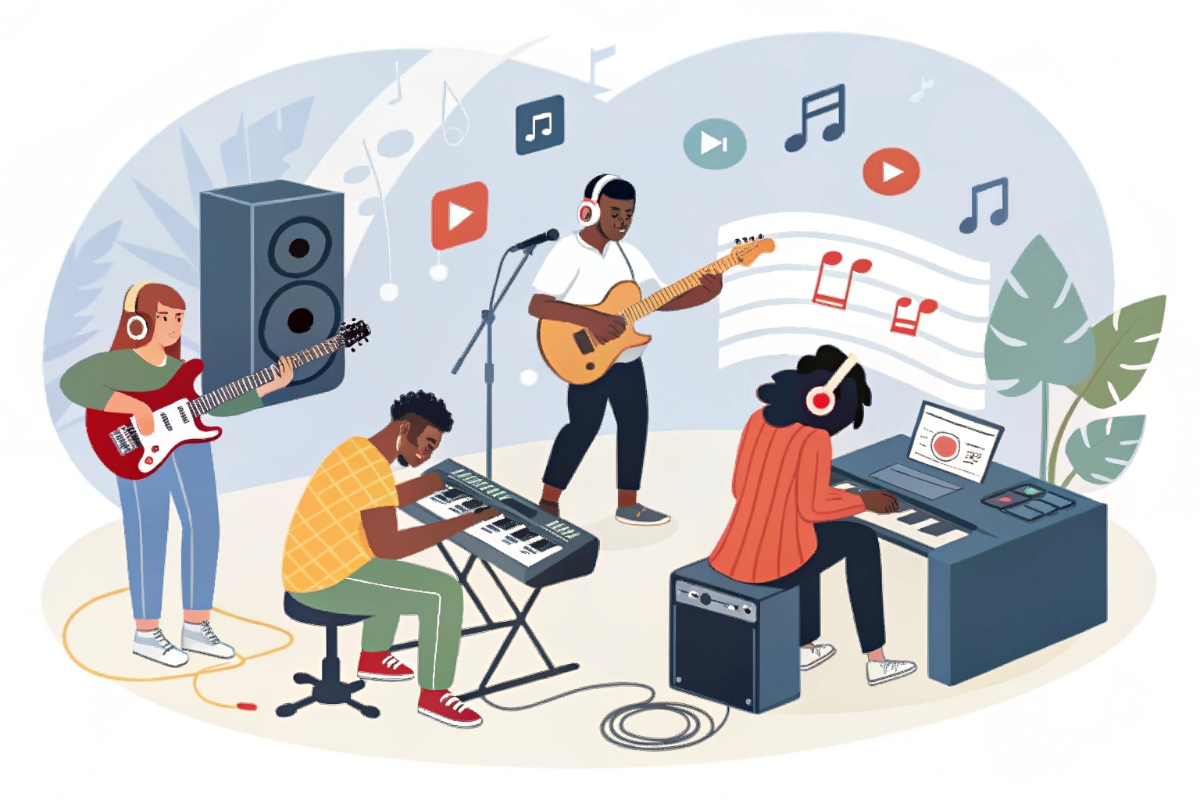
The music industry has always been evolving, shaped by trends, technology, and the creativity of artists. One of the most powerful forces transforming music today is collaboration. Musicians, producers, and composers are joining forces in ways that break boundaries, create new sounds, and reach diverse audiences. For aspiring professionals, taking sound engineering courses in Kerala early in their career can help build the technical skills needed to succeed in collaborative projects, from understanding how to mix tracks to managing complex recording setups.
Collaborations are not just a way to share ideas—they are a way to push the limits of creativity. When two or more artists come together, they bring their unique styles, influences, and experiences. The result can be something completely fresh and unexpected, which often surprises listeners in the best way.
Breaking Genre Barriers
One of the most exciting effects of collaborations is the blending of genres. Pop singers are teaming up with classical musicians, electronic producers are working with hip-hop artists, and indie vocalists are joining international DJs. This kind of fusion creates music that is exciting, unique, and unpredictable. For fans, it means experiencing sounds that are fresh and unlike anything they’ve heard before.
Listeners are now more open to songs that combine jazz, rap, electronic beats, and folk elements in a single track. A single collaboration might introduce a listener to a genre they never thought they’d enjoy. This cross-genre experimentation keeps the music scene alive and constantly evolving.
Learning and Skill Development
Collaborating also offers immense learning opportunities. Artists gain new skills by working with someone who has a different approach or background. They pick up new techniques, explore creative ideas, and sometimes even discover parts of their own talent they hadn’t realized before.
Programs like music production courses in Chennai are designed to prepare students for this kind of environment. Learning how to use digital audio workstations, understanding recording techniques, and mastering mixing and mastering processes are all essential for effective collaboration. These courses also teach students how to communicate clearly with other artists and producers, a skill that is just as important as musical talent in collaborative projects.
Expanding Audience Reach
Collaborations also help artists reach new audiences. By joining forces, musicians can tap into each other’s fan bases and gain exposure to listeners who might not have discovered them otherwise. In the age of social media and streaming platforms, this is crucial. A single successful collaboration can result in millions of streams, shares, and followers, giving artists more visibility and opportunities.
Moreover, fans enjoy seeing their favorite artists work together. Collaborative tracks often generate excitement and discussion online, which increases engagement and keeps the music alive in people’s minds for longer periods.
Cultural Exchange and Diversity
Collaborations also foster cultural exchange. When artists from different countries or backgrounds work together, they bring unique instruments, traditions, and perspectives into the music. This enriches the creative process and results in songs that are more diverse and inclusive.
Such collaborations often have a universal appeal. Listeners from different countries and cultures can enjoy music that combines sounds from around the world, creating a shared experience that connects people. This type of global creativity encourages artists to think outside their usual frameworks and experiment with styles they may have never considered.
Technology as an Enabler
Modern technology has played a huge role in making collaborations easier. High-speed internet, cloud-based production software, and virtual studios allow artists to work together without ever being in the same room. Musicians can share project files, experiment with sounds, and provide feedback in real-time, no matter where they are.
This is a game-changer for emerging artists. Even someone working from a small home studio can collaborate with established artists from across the globe. Technology has truly democratized music production, giving everyone a chance to participate in exciting projects.
The Role of Producers
Producers are increasingly important in collaborative projects. They bring technical knowledge, creative ideas, and a signature style that can transform a simple melody into a polished hit. A good producer can balance different artistic visions, ensure everything fits together, and elevate the final track.
Learning music production equips aspiring musicians and producers with the skills to manage these dynamics effectively. Understanding both the creative and technical sides of collaboration ensures that every project achieves its full potential.
Impact on Live Performances
Collaborations aren’t just limited to studio recordings—they’re changing live performances too. Festivals, concerts, and tours now feature joint performances, surprise guest appearances, and mashups that fans love. These live experiences make the music more memorable and create excitement around artists and their projects.
Live collaborations can also inspire studio projects. When artists see how well they connect on stage, it often leads to new tracks, albums, or creative ventures. This cycle of studio and live collaborations keeps the industry fresh and engaging.
Interdisciplinary Collaborations
Music often intersects with other creative fields like film, gaming, and advertising. Artists collaborate with directors, game developers, and marketers to create soundtracks, jingles, and theme songs. These interdisciplinary collaborations require flexibility, technical knowledge, and an ability to adapt to different project needs.
Courses in sound engineering and music production help artists develop these skills. They learn how to produce music that fits a scene, complements a storyline, or enhances a gaming experience, making them versatile and more employable in a wide range of industries.
Social Media and Collaboration
Social media has changed the way collaborations happen. Platforms like Instagram, TikTok, and YouTube allow artists to discover each other, share short musical ideas, and get immediate feedback from fans. This quick response helps musicians refine their work and experiment with new sounds before releasing full tracks.
Young artists can use social media as a tool to find collaboration opportunities that were nearly impossible a decade ago. Combined with formal training in music production, social media allows new talent to break into the industry more easily than ever.
Financial and Professional Benefits
Collaborations can also make financial sense. By combining resources, artists can access better equipment, marketing support, and distribution channels. Independent musicians especially benefit from pooling knowledge, expertise, and networks. Revenue from shared projects, tours, or merchandise can be higher, making collaboration a win-win situation for everyone involved.
Beyond financial gain, collaborations also strengthen professional networks. These relationships can lead to future projects, mentorship opportunities, and even long-term partnerships that shape careers.
Overcoming Challenges
Collaboration isn’t always easy. Creative differences, scheduling conflicts, and communication issues can slow down progress. Success requires flexibility, patience, and strong communication skills. Artists need to learn how to compromise without losing their unique voice.
Formal training in music production and sound engineering teaches both technical and interpersonal skills, preparing students for these challenges. Knowing how to navigate differences and work efficiently with others is just as important as technical proficiency.
The Future of Collaboration
Looking ahead, collaborations are likely to become even more innovative. Virtual reality concerts, AI-assisted music creation, and global co-writing projects are already emerging trends. Artists who embrace collaboration, stay flexible, and continue improving their skills are likely to lead the industry in exciting new directions.
Collaboration is no longer just a creative choice—it’s a vital part of the music industry’s evolution. From recording studios to live stages and digital platforms, it connects artists, pushes boundaries, and creates music that resonates with listeners worldwide.
Conclusion
Collaborations are reshaping the music industry in ways that go beyond just new songs. They bring creativity, cultural diversity, and professional growth to artists while offering fans unique and exciting experiences. By embracing collaboration, artists can explore new sounds, reach wider audiences, and create music that truly leaves an impact. The future of music is collaborative, and those who participate fully in this movement will help define the sound of the next generation.