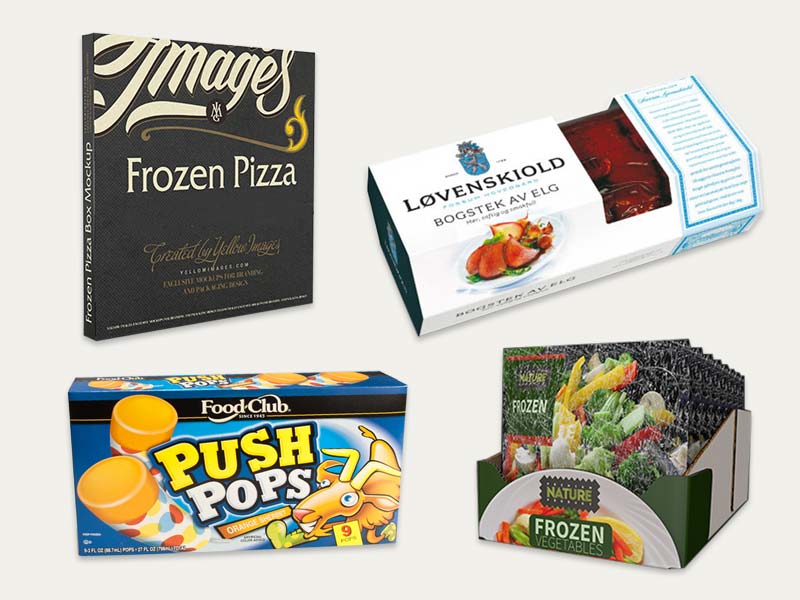
Impulse purchases account for nearly 40 percent of all money spent in stores. Food displays trigger emotional responses that bypass logical thinking about budgets or needs. Strategic placement and design turn casual browsers into instant buyers within seconds only. Understanding the psychology behind impulse buying helps retailers boost sales without aggressive selling tactics. Visual appeal and accessibility determine whether customers grab items or walk past them. Smart display strategies transform ordinary products into must-have items people cannot resist.
What Display Heights Capture Most Customer Attention in Retail Environments?
Eye level placement gets noticed first because people naturally scan straight ahead. Products placed between waist and shoulder height sell 35 percent more than others. Children focused items work better at lower heights where young shoppers notice. Premium products deserve top shelf placement suggesting exclusivity and special quality levels. Bulk or value items sit lower where customers bend to examine prices. Middle shelves create perfect impulse zones for everyday snacking or convenience products. Strategic height placement guides shopping behavior without customers realizing manipulation happening at all. Rotating products through different heights tests which positions drive best sales results.
How Do Colors in Food Displays Influence Purchase Decisions Quickly?
Red creates hunger and urgency making it perfect for limited time offers. Yellow generates happiness and attracts attention from across entire store aisles instantly. Green signals freshness and health which works well for produce or organic items. Orange stimulates appetite and works excellent for breakfast or snack products displayed. Blue reduces appetite but builds trust for packaged or processed items needing. Brown suggests natural wholesome qualities appealing to health conscious customer segments today. Using attractive food boxes in coordinated colors creates cohesive displays customers remember. Color psychology operates subconsciously influencing buying decisions before the rational thought process begins.
What Role Does Product Accessibility Play in Driving Impulse Sales?
Open displays let customers touch and examine products, reducing purchase hesitation significantly. Samples or testers remove risk allowing customers to try before committing to buy. Easy reach placement eliminates barriers between desire and actual purchase completion moments. Clear pricing visible from several feet away prevents confusion that stops sales. Simple packaging that opens quickly encourages immediate consumption driving repurchase behavior patterns. Pre portioned items remove decision fatigue about how much to buy today. Working with suppliers like Packlim ensures packaging designs facilitate easy customer interaction. Reducing friction between interest and purchase completion increases impulse buying rates dramatically.
How Can Strategic Placement Near Checkout Lines Boost Last Minute Purchases?
Checkout zones capture customers during waiting periods when boredom triggers buying impulses. Small affordable items positioned here require minimal decision making from tired shoppers. Sweet or salty snacks appeal to reward seeking behavior after completing shopping tasks. Drinks placed near registers address thirst customers feel after walking through stores. Magazines and gum occupy hands and minds during queue waiting times effectively. Cross merchandising suggests complementary items customers forgot on their shopping lists earlier. Seasonal items here capitalize on holiday or event related purchasing moods people have. Checkout displays convert dead waiting time into profitable last second sales opportunities.
What Sensory Elements Make Food Displays More Compelling to Shoppers?
Visual variety using different shapes and sizes creates interest that draws eyes. Lighting highlights specific products making them appear fresher and more appealing instantly. Temperature appropriate displays keep hot items steaming and cold products properly chilled. Clear windows showing actual products build trust more than illustrated packaging does. Neat organized arrangements suggest quality and care while messy displays repel customers. Smell from fresh baked or prepared foods triggers powerful hunger responses immediately. Markets in Canada see higher sales when displays engage multiple senses simultaneously. Sensory marketing bypasses logical decision making triggering emotional purchase responses instead.
How Do Limited Time Offers Create Urgency in Food Display Contexts?
Countdown timers show deals expiring soon creating fear of missing out completely. Special edition labels suggest products will disappear making customers buy now reflexively. Seasonal items available briefly each year drive collection behavior among loyal customers. Flash sale signs grab attention and communicate immediate action requirements to shoppers. Small quantity indicators like limited stock warnings trigger scarcity motivated purchasing decisions. Daily specials rotate offerings keeping regular customers checking displays for new deals. Using eye catching personalised food packaging for promotions increases perceived value of limited offers. Urgency tactics convert hesitant browsers into immediate buyers before they reconsider purchases.
What Psychological Triggers Work Best for Different Food Categories?
Healthy foods benefit from educational displays showing nutritional benefits or ingredient sourcing. Indulgent treats sell better when positioned as rewards or special occasion items. Convenience products highlight time saving benefits for busy rushed shoppers wanting speed. Gourmet items use premium display materials suggesting luxury and sophisticated taste levels. Kids products feature fun characters and bright colors triggering pester power effectively. Organic options emphasize environmental or health benefits appealing to conscious consumer values. Comfort foods connect to nostalgia and familiar positive memories from childhood experiences. Understanding category psychology helps retailers craft displays matching customer mindsets and motivations.
How Can Retailers Measure and Improve Display Effectiveness Over Time?
Sales data before and after display changes reveals what actually drives revenue. Heat mapping technology shows which display areas get most customer attention daily. Customer surveys provide direct feedback about what attracted or repelled their interest. A B testing different layouts identifies highest performing arrangements for specific products. Video analysis tracks how long customers spend examining displays before deciding purchases. Inventory turnover rates indicate which displayed products move fastest off shelves regularly. Competitor observation reveals successful tactics worth adapting for your own store layouts. Continuous testing and refinement based on real data optimizes display performance constantly.
Conclusion
Strategic food displays convert casual shoppers into impulse buyers through psychological triggers. Height placement and color choices guide attention toward products retailers want selling. Accessibility and sensory engagement reduce purchase barriers increasing conversion rates measurably today. Checkout positioning capitalizes on waiting time boredom and last minute decision making. Limited time offers create urgency that overrides logical budget considerations customers have. Category specific psychological appeals match display strategies to product types being sold. Measuring display performance through data enables continuous improvement and optimization efforts ongoing. Implement these display strategies and watch impulse purchase rates climb significantly upward.