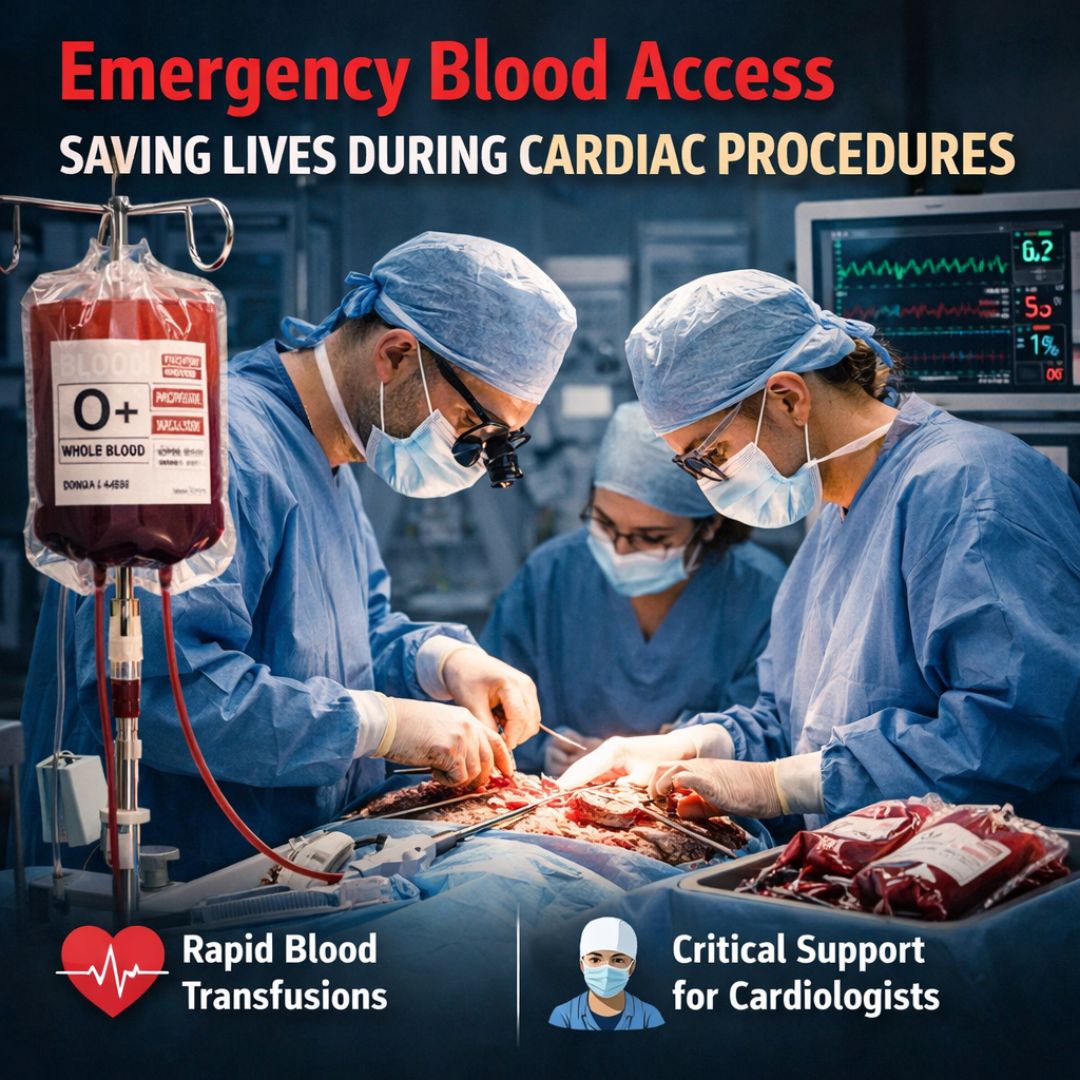
In critical cardiac procedures, every second counts. Patients undergoing heart surgeries or interventions often face the risk of significant blood loss. This is why hospitals with efficient emergency blood access play a vital role in ensuring patient safety. Facilities with a well-managed Blood Bank in Chennai provide a lifeline to cardiologists, allowing them to perform complex procedures with confidence. Access to compatible blood in emergencies can make the difference between life and death during cardiac care.
Understanding the Importance of Blood in Cardiac Procedures
Cardiac procedures, whether elective or emergency, involve a range of interventions such as bypass surgery, angioplasty, or valve replacement. These procedures can sometimes result in unexpected bleeding due to the delicate nature of the heart and surrounding vessels. Even minor blood loss can compromise a patient’s stability, while severe bleeding can lead to shock or organ failure.
Blood transfusions are not just a supportive measure; they are an essential part of patient management. They help maintain blood pressure, ensure oxygen delivery to vital organs, and stabilize patients during surgery. Without timely access to blood, even routine procedures could become life-threatening.
The Role of Cardiologists in Emergency Situations
A skilled Cardiologist in Chennai relies not only on medical expertise but also on the availability of resources to handle emergencies. During procedures like open-heart surgery or cardiac catheterization, cardiologists must respond instantly to any signs of internal bleeding or sudden drops in hemoglobin levels. Emergency blood access allows them to act decisively, administering transfusions without delay and maintaining the patient’s stability.
Moreover, access to blood ensures that cardiologists can perform high-risk procedures on patients with pre-existing conditions, such as anemia or clotting disorders, with greater safety. This expands treatment options and improves survival rates.
How Hospitals Prepare for Emergency Blood Needs
Hospitals that prioritize cardiac care invest heavily in robust blood management systems. A fully functional blood bank ensures that different blood types and components—such as red blood cells, platelets, and plasma—are available round-the-clock.
Regular coordination between the blood bank and cardiology department is crucial. Hospitals often maintain a protocol that includes preoperative blood grouping, crossmatching, and reserving blood units for scheduled procedures. In emergencies, these protocols allow the medical team to provide immediate transfusions, reducing the risk of complications.
Additionally, hospitals may participate in regional blood networks or maintain on-call donors for rare blood types. This proactive approach ensures that even patients with uncommon blood types receive timely transfusions during critical cardiac events.
Real-Life Scenarios Where Emergency Blood Saves Lives
Consider a patient undergoing bypass surgery who experiences unexpected intraoperative bleeding. Without instant access to compatible blood, the patient could develop severe hypotension or cardiac arrest. In such a scenario, the availability of a well-stocked blood bank enables immediate transfusion, stabilizing the patient and giving the cardiologist a chance to complete the procedure safely.
Similarly, in cases of heart attacks requiring urgent interventions, patients may present with low hemoglobin or pre-existing anemia. Quick transfusion support ensures that oxygen delivery to the heart and other vital organs is maintained, directly impacting recovery outcomes.
Technology and Safety in Blood Management
Modern blood banks utilize advanced technology to improve safety and efficiency. Automated blood typing, crossmatching, and real-time inventory management allow hospitals to track blood availability accurately. This reduces the likelihood of delays or errors during emergency transfusions.
Furthermore, screening for infectious diseases ensures that all transfused blood is safe. This is especially important in cardiac patients, whose compromised health could make them more vulnerable to infections.
Benefits Beyond the Operating Room
Emergency blood access is not only critical during surgery but also in post-operative care. Cardiac patients may experience delayed bleeding or require additional transfusions due to complications. Immediate access to blood products in recovery units ensures continuous support, reducing ICU stays and improving overall outcomes.
Hospitals with integrated blood management systems also enhance patient confidence. Families are reassured knowing that, in the event of an emergency, the facility is fully equipped to handle life-threatening situations efficiently.
Community Impact and Awareness
Public awareness about the importance of blood donation can significantly impact cardiac care outcomes. Hospitals often organize donation drives, encouraging communities to contribute to blood banks. Regular donations ensure a steady supply of blood, helping hospitals save lives during emergencies.
Patients and families should also understand the importance of pre-registration for elective procedures. Providing accurate medical history and informing doctors about prior transfusions can expedite access to compatible blood, reducing risks during cardiac interventions.
Conclusion
Emergency blood access is an indispensable component of modern cardiac care. From supporting cardiologists during complex surgeries to stabilizing patients in critical conditions, timely blood transfusions save lives. Hospitals equipped with efficient blood banks, skilled medical teams, and proactive management protocols ensure that cardiac patients receive the care they need without unnecessary delays.
Choosing a hospital with robust emergency blood access is not just a matter of convenience—it is a critical factor in improving survival rates and outcomes in cardiac procedures. By supporting blood donation initiatives and raising awareness, communities can play a vital role in strengthening the chain of life for patients undergoing heart care.