Chronic pain doesn’t announce itself dramatically. It settles in. Quietly. A stiff neck that never fully loosens. A lower back that always aches by evening. A knee that complains on stairs.
People live with it longer than they should. They adjust. They tolerate. They rely on painkillers that work for a while. Then they stop working.
That’s usually when someone considers a TCM medical center. Not out of curiosity. Out of frustration. They want answers, not another temporary fix.
Traditional Chinese medicine doesn’t rush pain away. It asks why pain refuses to leave.
Why Chronic Pain Behaves Differently
Acute pain has a cause you can point to. A fall. A strain. A tear.
Chronic pain is messier. It spreads. It shifts. Some days feel manageable. Others don’t.
Muscles tighten to protect weak areas. Circulation slows. Nerves stay irritated. Stress keeps the body alert when it should rest.
Pain becomes a system problem. Not a single spot.
This is where traditional Chinese medicine treatment starts making sense.
How TCM Looks at Pain
TCM doesn’t chase pain directly. It looks for blockages. Poor flow. Imbalance.
When circulation slows, tissues don’t heal well. When muscles stay tight, joints suffer. When stress stays high, pain sensitivity increases.
A TCM medical center tries to restore movement. Inside the body. Not just at the painful area.
That shift changes how treatment works.
Acupuncture: What It Actually Does
Acupuncture doesn’t “turn pain off.” It nudges the body to calm down.
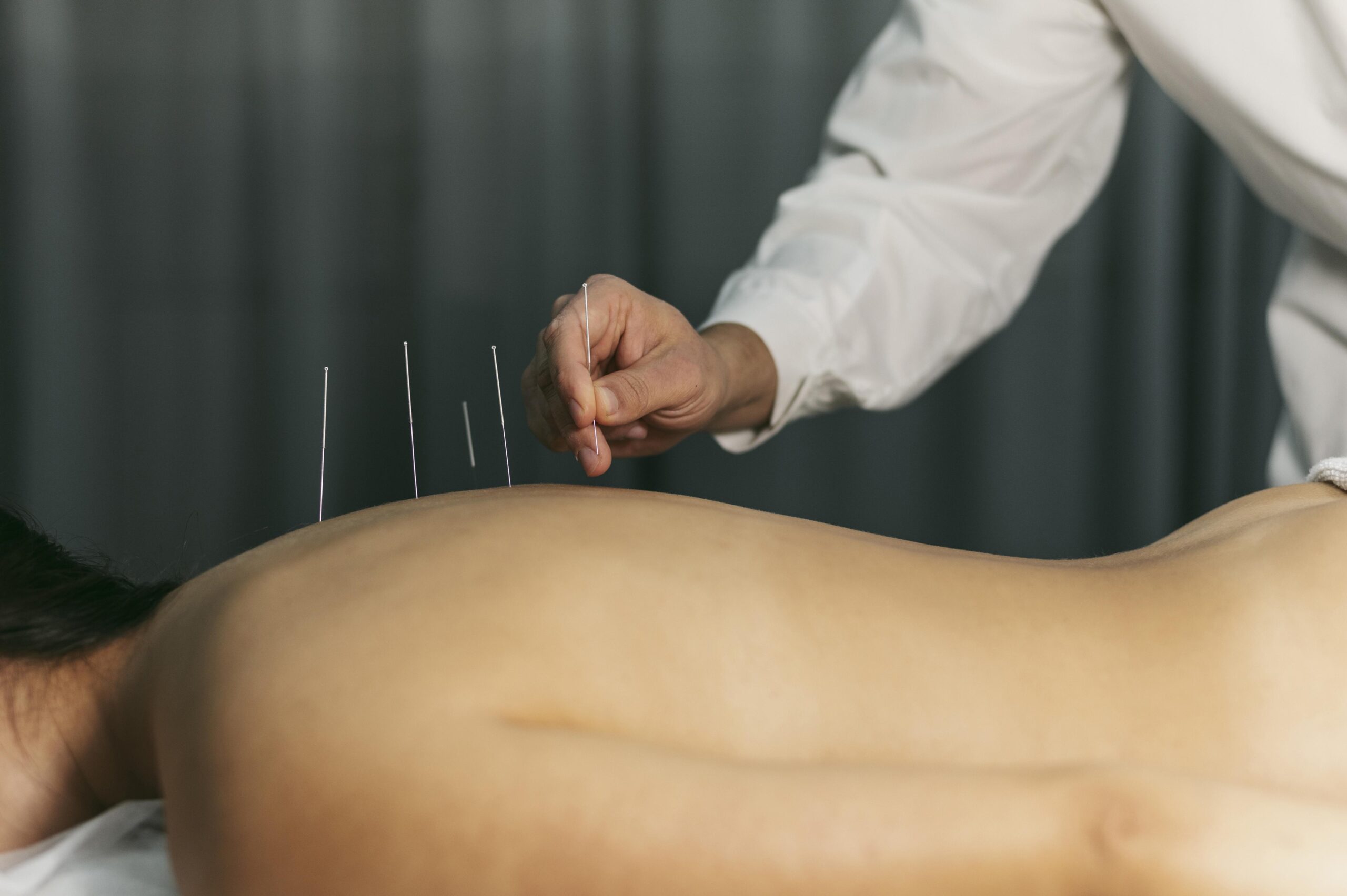
Thin needles stimulate specific points. Muscles release. Blood flow improves. Nerve signals settle.
Relief often comes gradually. That’s normal.
It works well for back pain, neck stiffness, joint discomfort, and nerve-related pain. Especially when pain has lingered for months or years.
Consistency matters more than force.
Herbal Medicine Plays a Supporting Role
Herbs don’t replace physical treatment. They support it.
Formulas often focus on circulation, inflammation, and internal balance. They change as symptoms change.
One person’s pain pattern isn’t another’s. That’s why formulas differ.
Herbs work quietly. They support progress between sessions.
Tuina Therapy for Stiff, Overworked Bodies
Tuina feels closer to hands-on therapy. It targets muscles and joints directly.
This method works well when pain comes from tightness, poor posture, or repetitive strain.
It often pairs with acupuncture. One releases tension. The other improves flow.
Together, they work better.
Stress and Pain Are Not Separate Issues
People underestimate this link.
Poor sleep increases pain sensitivity. Ongoing stress keeps muscles tense. Fatigue slows healing.
TCM doesn’t ignore this. Practitioners often ask about sleep, digestion, and daily stress.
These details guide treatment. They aren’t small talk.
Pain Conditions That Often Respond Well
TCM tends to help when pain feels stubborn.
Common examples include:
- Long-term back or neck pain
- Joint stiffness without clear injury
- Headaches that keep returning
- Sports strain that never fully heals
- Nerve discomfort
Results depend on regular care and proper assessment.
What the First Visit Usually Feels Like
The first session isn’t rushed.
The practitioner asks many questions. Some feel unrelated at first. Sleep. Energy. Digestion. Stress.
Pulse and tongue checks guide diagnosis. Movement gets assessed.
Treatment follows a pattern, not guesswork.
How Long Before Pain Improves?
Some people feel lighter after the first few sessions. Others take longer.
Chronic pain doesn’t unwind instantly. That’s normal.
Most plans start with weekly visits. Frequency changes as pain eases.
Progress matters more than speed.
Using TCM Alongside Other Care
TCM doesn’t replace necessary medical treatment. It works beside it.
Many people combine approaches. That often brings better results.
Clear communication keeps things safe.
Choosing the Right TCM Medical Center
Not all clinics work the same way.
Look for clear explanations. Realistic timelines. Structured plans.
Some patients mention Yong Kang TCM because treatments focus on long-term pain patterns, not quick relief promises.
That mindset matters.
Safety Is Not Optional
Proper TCM care follows strict hygiene. Sterile needles. Qualified practitioners. Regulated herbs.
Comfort and safety come first.
Always ask questions.
Why Pain Doesn’t Vanish Overnight
People expect instant change. Chronic pain rarely works that way. Early sessions often improve mobility before pain drops. That’s progress. Small shifts add up.
Your Role in the Process Skipping sessions slows results. Ignoring advice does too.
Healing works better when effort goes both ways.
That honesty saves time.
Why Small Improvements Still Matter
Many people quit treatment too early. They expect pain to vanish. That rarely happens with chronic issues.
Progress usually shows up quietly first.
You may notice:
- Less stiffness when getting out of bed
- Easier movement during daily tasks
- Better sleep without constant waking
- Reduced need for painkillers
- Fewer flare-ups during stressful days
These changes matter. They signal that the body is responding. Chronic pain often eases in layers. Tension releases first. Circulation improves next. Pain softens after. Stopping early breaks that sequence. Staying consistent allows momentum to build. Small relief isn’t failure. It’s the beginning. Over time, these shifts stack up and create lasting change.
Final Thought
Chronic pain rarely disappears with shortcuts. A TCM medical center offers structured care that looks beyond symptoms. Traditional Chinese medicine treatment supports circulation, balance, and long-term relief.
It isn’t dramatic. It’s steady.
That’s why it works.
Key Points
- Chronic pain involves multiple systems
- TCM focuses on restoring balance
- Acupuncture and herbs work together
- Stress affects pain more than people admit
- Consistency supports recovery
FAQs
Can TCM really help chronic pain?
Yes, with consistent care.
Is acupuncture painful?
Most people feel very little.
How long before results appear?
Some improve early. Others need time.