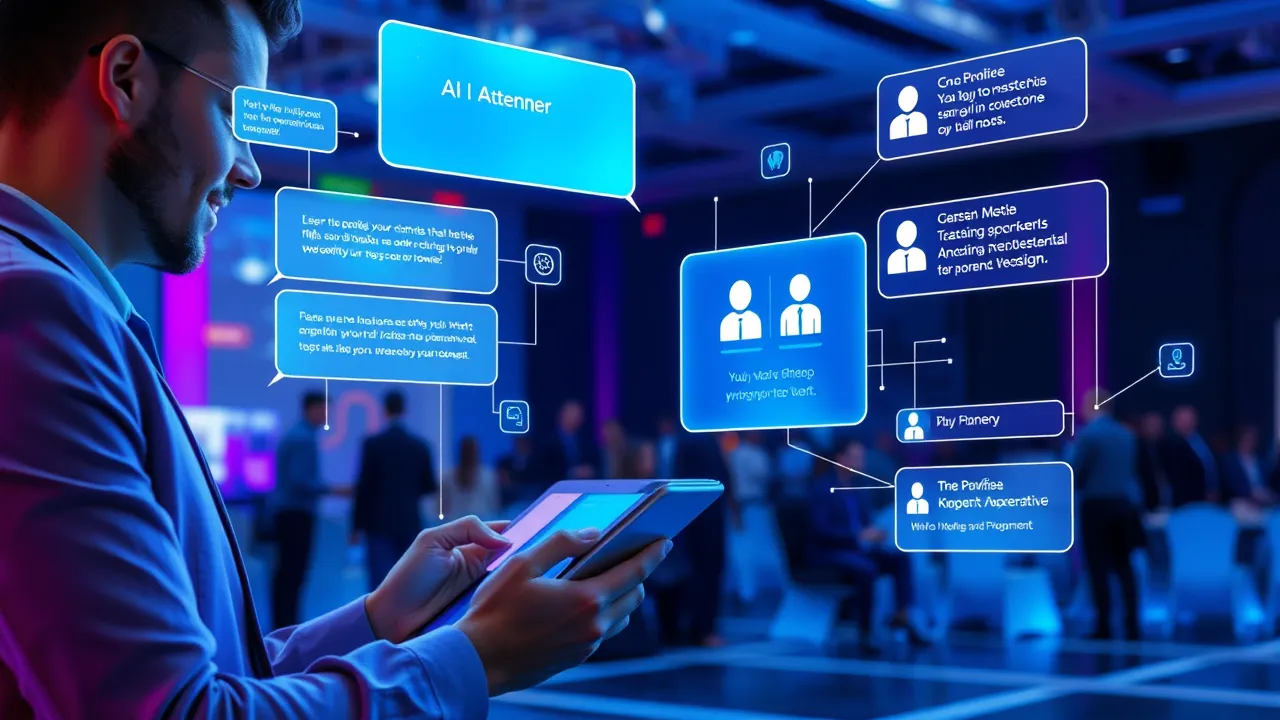
Event planning has always been about people. It is about how they register, how they arrive, how they interact, and how they remember the experience. Yet numbers and systems also play a role. In 2026, artificial intelligence is shaping event communications in ways that feel both practical and natural. It is not about replacing human effort. It is about guiding it, making each step smoother, and helping planners see what guests need before they even ask.
Artificial intelligence is not a distant concept. It is already part of the tools that planners use. It speaks through event registration forms, through event check-in and badge printing systems, and through the event app that guests carry in their pockets. The transformation is steady, and it is changing how messages are sent, how they are received, and how they are understood.
Event Communications Made Simple
Event communications are the backbone of planning. They are the words, alerts, and updates that keep guests informed. Artificial intelligence is making these communications more direct. Messages are no longer scattered or delayed. They reach the right person at the right time.
Planners can now send reminders that feel personal. Guests receive updates that match their interests. The tone is clear, the timing is precise, and the delivery is smooth. Event communications are no longer just about sending information. They are about shaping the guest experience from the first moment to the last.
Artificial intelligence also helps planners manage large groups without confusion. Messages can be sorted, scheduled, and tracked. Guests do not feel lost. They feel guided. This is the quiet strength of AI in event communications.
Event Registration and AI
Event registration is the first step where guests show interest. Artificial intelligence makes this process faster and easier. Forms can adapt to the guest, showing only the fields that matter. Errors are reduced, and completion rates rise.
Planners can also see patterns in registration. They know when guests prefer to sign up, which channels bring the most registrations, and which steps cause delays. AI highlights these details, allowing planners to adjust strategies.
Event registration statistics become more than numbers. They become insights. They show how well the event is promoted and how strong the appeal is. Artificial intelligence turns registration into a smooth entry point rather than a barrier.
Event Check-In and Badge Printing
Arrival is the moment when guests form their first impression. Event check-in and badge printing must be quick and accurate. Artificial intelligence helps by reducing waiting time. Systems can predict peak arrival hours and adjust staffing.
Badge printing errors are reduced through smart checks. Names are verified, roles are confirmed, and badges are ready without delay. Guests feel welcomed rather than stressed.
AI also supports digital check-in. Guests can scan codes or use mobile devices. Attendance is tracked instantly. Planners know who has arrived and when. Event check-in and badge printing become seamless steps rather than obstacles.
Event App and Messaging
The event app is now a central tool for communication. Artificial intelligence makes it more than a schedule viewer. It becomes a guide, a messenger, and a feedback channel.
Guests use the event app to see sessions, send questions, and connect with others. AI ensures that the app shows relevant updates. If a guest is interested in a workshop, the app highlights it. If a session changes time, the app alerts the guest immediately.
Messaging through the event app also becomes smarter. Guests receive reminders that match their behavior. If they have not checked in yet, the app sends a gentle nudge. If they are active in polls, the app invites them to join more.
Feedback is collected through the app as well. AI organizes responses, highlights trends, and shows planners what guests value most. The event app becomes a living tool that grows with the event.
Personalized Messaging
Artificial intelligence allows planners to send messages that feel personal. Guests no longer receive generic updates. They receive notes that match their interests and actions.
If a guest registers early, they may receive a thank you message. If they check in late, they may receive a reminder. If they use the event app often, they may receive suggestions for more features.
This personalization makes guests feel noticed. It builds trust. It shows that the event is not just about numbers. It is about people.
Real-Time Adjustments
One of the strongest features of AI in event communications is real-time adjustment. Planners can see attendance numbers as they change. They can track event registration patterns live. They can monitor event check-in and badge printing speed.
If a session is too crowded, AI can suggest moving guests to another room. If badge printing slows down, AI can alert staff to add support. If the event app shows low usage, AI can send reminders to encourage downloads.
These adjustments keep the event smooth. Guests do not notice the problems. They only see the solutions.
Feedback and Insights
Feedback is often scattered. Guests may leave comments in surveys, apps, or emails. Artificial intelligence gathers these responses and organizes them. Planners see clear patterns.
If guests mention slow check-in, planners know where to improve. If they praise the event app, planners know it is worth expanding. Feedback becomes a guide rather than a pile of notes.
Insights also extend to communication itself. AI shows which messages are read, which are ignored, and which lead to action. Planners learn how to shape future communications.
Financial Impact
Event communications also affect costs. Artificial intelligence reduces waste. Fewer printed materials are needed. Fewer staff hours are spent on manual tasks.
Revenue improves as well. Guests who receive clear messages are more likely to register, attend, and engage. Event registration numbers rise. Attendance grows. Satisfaction increases.
Financial statistics show that AI is not only about technology. It is about sustainability. It helps planners balance budgets while improving guest experience.
Why AI Matters for Event Communications
Artificial intelligence matters because it makes communication simple, clear, and effective. It supports event registration, event check-in and badge printing, and event app usage. It turns scattered tasks into smooth processes.
Guests feel guided. Planners feel informed. Events feel organized. AI does not replace human effort. It supports it. It makes each step stronger.
Event communications in 2026 are shaped by AI. Messages are smarter. Processes are faster. Feedback is clearer. The transformation is steady, and it is changing how events are planned and experienced.
Final Thoughts
Artificial intelligence is transforming event communications and attendee messaging in ways that feel natural. It is present in event registration, event check-in and badge printing, and event app usage. It makes messages personal, processes smooth, and feedback useful. Planners who use AI gain insight. They see what guests value. They adjust in real time. They build events that feel organized and rewarding.
The most important change is not in the tools themselves. It is in how they shape the guest experience. AI makes communication feel less like a task and more like a conversation. It turns planning into guidance. It turns numbers into meaning. Event communications in 2026 are not only about sending updates. They are about shaping experiences. Artificial intelligence is the quiet force behind this change.
Related Articles
- Can Event Ticketing Software Improve My Event’s ROI? Here’s How
- Event Management Trends You Should Know
- Problems When Planning Large-Scale Company Events
- Types of Virtual Events
- Key Elements of a High-Converting Landing Page
- Popular Virtual Assistant Services
- Post-Event Feedback: Why It Matters and How to Collect It
- Maximizing ROI in Event Planning Through Effective Project Management
- Guide to Event Marketing
- What Is Cyberattack Prevention? A Deep Dive
- Sports Event Management Software Development Guide
- Data-Driven Development
- Top 5 Graphic Design Trends in 2025
- The Link Between Social Media Engagement and Search Rankings
- Event Marketing Trends
- Digitizing Customer Data
- AI Avatars and Virtual Influencers
- AI Human Generator Tools
- How to Package Marketing Services for Small Business Clients
- Event Check-In Apps
- Top Event Marketing Resources
- Organize Coworking Events: Member Experience Tips